


 简体中文
简体中文  English (UK)
  Русский
  العربية
  日本語
日本語  한국어
한국어  Magyar
  Türkçe
  Español
  Čeština
  Svenska
  Português
  Ελληνικά
  Suomi
Suomi  Nederlands
  Română
  Italiano
  Français
  Polski
  Українська
  Deutsch
  Slovenčina

In today’s fast-paced world, the need for efficient monitoring and control systems has never been more critical, especially for boat enthusiasts. These systems not only serve to ensure the health and performance of your vessels but also provide valuable insights that keep you connected to your oversea adventures. By leveraging advanced telematics and satellite technology, these systems can report back crucial data in real-time, allowing you to maintain full awareness of your boat’s status, no matter where you might be on Earth.
Unlike traditional methods, which require manual checks and physical presence, modern remote monitoring solutions offer an array of sensors that continuously track essential parameters such as bilge-water levels, engine performance, and even power levels. This intelligence helps sailors avoid potential breakdowns and protect their investments from damage, ensuring that their experiences on the water remain enjoyable and safe. Customers can easily access this information via dedicated websites or mobile apps, simplifying the process of managing their vessels.
As we dive into our list of five great remote boat monitoring and control systems, we will focus on technologies that are loaded with features designed to enhance your nautical experience. From solar-powered systems that operate with minimal shore-power requirements to solutions equipped with sirens for immediate alerts, these tools represent the next generation of maritime innovation. With them, you can learn how to keep your boat in peak condition and safeguard it against environmental degradation, fire hazards, and other unforeseen challenges.
These systems not only improve the time you spend on the water but also enhance your ability to monitor your vessel in real-time, ensuring that any potential issues are addressed promptly. As we outline the key points of each technology, remember that investing in these remote systems might well be one of the best decisions to make this year for your nautical endeavors.
Top Remote Boat Monitoring Systems Overview
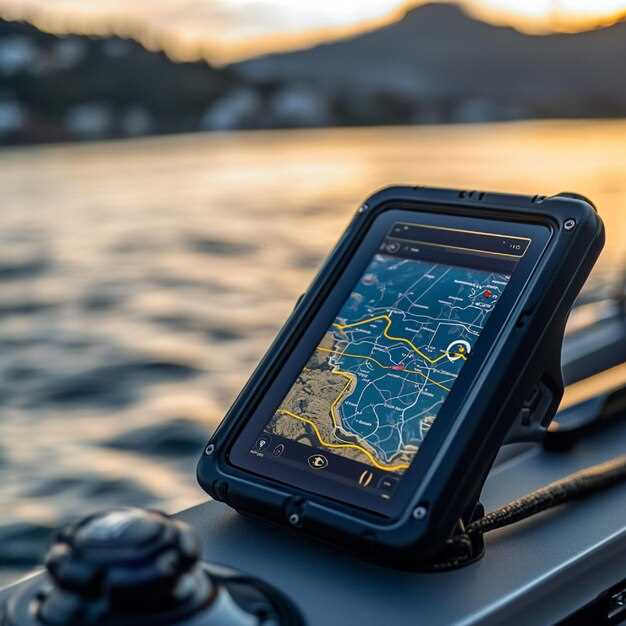
In the modern boating industry, remote boat monitoring systems have become essential for ensuring the safety and efficiency of nautical adventures. These systems serve a dual purpose: they help maintain security by providing real-time reports on the boat’s position and monitor for activity that may indicate issues, such as potential breakdowns or intrusions. By using advanced communications technology, these tools keep boaters informed, no matter where they are.
One notable system stands out in the market due to its comprehensive features. Designed for a group of boating enthusiasts, this monitoring device allows users to send alerts and receive updates about their vessel’s status. Unlike traditional methods, this system uses a combination of GPS and cellular technology to ensure coverage even when outside the range of conventional networks. This ability to stay connected while sailing is invaluable in emergencies.
Another interesting option is tailored specifically for those who own inflatable boats like Zodiac. This model is equipped with bilge-water monitoring, which is critical for preventing damage from leaks or unwanted water accumulation. With its integrated sensors, boaters receive instant warnings about any fluctuations in water levels, allowing them to address any issues before they escalate into more significant problems.
For those concerned about battery life, there are systems that provide detailed insights into power consumption and the state of batteries on board. Boaters can assess their energy usage over different cycles, helping to maintain optimal performance and avoid unexpected failures. The ability to access this information remotely means that users can adjust their sailing plans accordingly, ensuring a smooth trip.
Garmin offers another robust option, which integrates seamlessly with other marine devices. This remote monitoring tool helps users track their boats’ movements and activities. For instance, if a vessel is chartering, this system can report activity back to the home base, painting a complete picture of the boat’s usage. Such features not only simplify navigation but also enhance the overall experience of boating.
Developers recognize that different boaters have varying requirements, so many systems are customizable. Users can edit settings based on their specific needs, whether they’re chartering their boat or just enjoying a peaceful day on the water. This flexibility ensures that no matter the activity or level of experience, there’s a solution that fits seamlessly into their nautical routine.
To sum up, the landscape of boat monitoring has transformed significantly, with several great options available for enhancing the sailing experience. These systems collectively help improve communication, boost security, and provide essential data that keeps boaters informed. By investing in one of these technologies, owners can confidently enjoy their time on the water, knowing they are fully supported, regardless of the challenges they may face.
What Makes a Monitoring System Reliable?
Reliability in a monitoring system hinges on its ability to deliver real-time data consistently and accurately. For boat owners, having access to information regarding temperature, bilge-water levels, and battery health is crucial. A reliable system utilizes advanced sensors that continuously track these parameters, enabling users to prepare for potential issues before they escalate. Unlike less reliable systems, these technologies are designed to respond to changes in conditions and provide timely reports that alert owners of any irregularities.
One of the most telling features of a great remote monitoring system is its communication capabilities. Secure connections are essential for ensuring that data is transmitted without interruption. Users should have access to their monitoring systems through an app-based interface, allowing them to check their boat’s status and receive alerts from anywhere in the world. This real-time access empowers owners to act quickly and minimize surprises, often choosing to address potential issues before they become critical.
Coverage is another key component of reliability. A system that works well in isolated locations, such as marinas and open waters, proves its worth when it can provide consistent data updates at all times. Many industry-leading solutions offer extensive geographical coverage, ensuring that even when leaving the dock, owners stay connected. The best systems maintain a strong connection, using multiple cycles of communication with monitoring centers to guarantee every piece of critical information is conveyed without fail.
Finally, a reliable monitoring system is built with the user experience in mind. Sound design, intuitive interfaces, and comprehensive support help customers feel secure in their investment. Regular updates and maintenance are crucial for keeping the system running smoothly, and those companies that provide detailed FAQs and troubleshooting resources are often favored by users. As boat owners increasingly rely on technology for security, choosing a dependable monitoring solution is paramount for safeguarding vessels against the unpredictable elements of nature and potential hazards.
Key Features to Look for in a System
When evaluating remote boat monitoring and control systems, one of the key features is voltage monitoring. Systems that are able to track voltage levels from batteries help boat owners diagnose potential issues before they escalate. By receiving real-time data on battery health, users can make informed decisions about battery usage and maintenance while on the water or at home. This proactive approach minimizes the risk of power degradation and enhances the overall reliability of the vessel.
An effective connection capability is essential for seamless operation. Look for systems that create a strong network connection using satellite technology, ensuring reliable data transmission regardless of your location. This is particularly crucial in emergency situations, as immediate access to monitoring data enables boaters to switch strategies without delays. Having a dedicated helpline linked to the monitoring system can also be an invaluable asset, providing technical support precisely when needed.
Integration with smartphone applications is another feature that amplifies user experience. These applications allow for remote tracking of various parameters, such as bilge-water levels and on-deck conditions. The ability to monitor these metrics from anywhere gives boat owners significant peace of mind, knowing they can react to any reported issues even while on shore or far from the boat. Many systems offer custom alerts that focus on critical changes, ensuring that users are alerted to any situation that might require immediate attention.
Charts and mapping services are indispensable for navigation and mooring activities. A system that incorporates these features helps in assessing weather conditions and tidal impacts ahead of time. This level of intelligence not only enhances safety but also allows boaters to plan their routes more effectively, taking into consideration various environmental factors. Ideally, these systems should be able to pinpoint all relevant locations, making them easier to navigate and increasing the overall enjoyment of the nautical experience.
Finally, ensure that the monitoring system provides adequate support for switching between modes of operation. Whether the vessel is in use or moored, systems that can adapt to different levels of monitoring enhance efficiency and reduce unnecessary data overload. This flexibility reflects the industry’s trend towards smarter, more adaptable solutions that cater to a diverse group of boating enthusiasts. Investing in such a system means gaining tools developed specifically to meet changing demands and conditions on the water.