


 简体中文
简体中文  English (UK)
  Русский
  العربية
  日本語
日本語  한국어
한국어  Magyar
  Türkçe
  Español
  Čeština
  Svenska
  Português
  Ελληνικά
  Suomi
Suomi  Nederlands
  Română
  Italiano
  Français
  Polski
  Українська
  Deutsch
  Slovenčina
  5 Essential Habits for Responsible Boating to Protect the Marine Environment">

First, start every recreational trip with a clean hull and a plan to collect and dispose of waste at dockside. boatus emphasizes that hull cleanliness reduces drag, saves fuel, and protects shorelines from residues. You must follow this routine, and use only cleaners labeled non-toxic.
Choose paints 和 cleaners with a low-toxicity label. Avoid hazardous copper-based underwater paints and conventional coatings that leach metals. The material you pick is a matter of water quality and marine life, so verify product estimates and follow local guidelines.
Carry a compact waste kit and dispose of all packaging at the dock. Reserve a small amount of space for oily rags and used wipes, and never drop them overboard. The estimated pollution reductions rise when you rinse bilges at shore facilities rather than on the water. Spend a moment to check hoses and caps successively before departure to prevent spills that damage shorelines and marine life.
Respect fueling protocols to minimize spills. Use designated docks, close vents, and keep absorbent pads and cleaners on hand. Never top off tanks; the amount you spill matters, and small events add up. Several factors – wind, current, and boat draft – influence drift, so plan to avoid causing slicks that reach shorelines.
Plan routes with low ecological impact. Favor calm cruising at lower speeds; the reduced engine load slashes emissions and fuel spend. Choose routes that avoid congested harbors, and regularly check shorelines for wildlife and debris. boatus suggests engaging with local clubs to share tips and respect local rules; small changes add up across recreational boating communities.
5 Core Habits for Responsible Boating to Protect the Marine Environment; Let’s Enjoy the Water AND Protect the Future
Pre-launch, verify waste containment and offsite disposal plans; ensure sewage stays in approved tanks and discharge outlets are secured before entering any waterway.
Habit 1: Strictly limit fuel burn and idle time near waterways; select a plan that prioritizes steady throttle, clean burn, and minimal wake to protect water-based habitats and waterway zones along the gulf.
Habit 2: Trash handling on board and on-site; bring sturdy bags, separate recyclables, and remove waste offsite; beachgoers have been asking for cleaner experiences and clear bins there, along with other practical cues.
Habit 3: Sewage management and hull bottoms protection; store waste in onboard tanks, use land-based reception facilities, avoid discharges in zones or closings; inspect hull bottoms for corrosion and leaks as you approach waterways.
Habit 4: Maintenance and materials; installing durable seals with silicones, testing spark-ignition components, and following board-approved plans and methods for repairs; keep a tidy work area on board to address small issues quickly.
Habit 5: Community action and heritage care; work with maritime boards and authorities; share france-based plans and methods; Boatus guidance supports best practices; highlight heritage and the difference between closures and routine operations; involve other regions to participate and protect water-based zones for future generations.
| Habit | Concrete Action | Impact |
|---|---|---|
| Habit 1 | Pre-launch: verify offsite sewage disposal plan, secure nozzles, close seacocks, and test the spark-ignition system. | Reduces pollutant load and prevents fuel from entering water-based zones. |
| Habit 2 | Trash handling: use sturdy bags, separate recyclables, have a dedicated on-board trash port, and remove waste offsite; beachgoers have been asking for a cleaner experience there. | Prevents litter from reaching beaches and waterways. |
| Habit 3 | Sewage management: store waste in onboard tanks, use land-based reception facilities, avoid discharges in zones or closings; inspect hull bottoms for corrosion. | Protects water quality and coastal habitats along the gulf and beyond. |
| Habit 4 | Maintenance: installing durable seals with silicones; check spark-ignition components; follow board-approved plans and methods for repairs; carry a small toolkit. | Prevents leaks and keeps equipment reliable on water-based trips. |
| Habit 5 | Community action: work with maritime boards and authorities; share france-based plans and methods; Boatus guidance supports best practices; highlight heritage and the difference between closures and routine operations; involve other regions to participate. | Strengthens stewardship and protects waterways for future generations. |
Actionable steps for cleaner waters and safer boating
Begin with a no-spill operation: refuel on land whenever possible, keep a spill kit on deck, and deploy absorbent pads to catch drips. Use approved fuel containers and close caps securely to prevent leaks. Whenever a spill occurs, contain it immediately and transfer waste to a sealed container.
Sort trash and recyclables into dedicated bins, and take them back to shore for proper disposal; label the bins to avoid mixing; bring extra bags for storm debris.
Choose alternatives to hazardous cleaning products; look for products labeled non-toxic and biodegradable; store cleaners in closed containers. Hazardous products eliminated from deck duties.
Maintain engines with a simple process: schedule regular oil changes and filter checks, inspect hoses for leaks, and replace worn clamps; avoid topping off and store fuel in approved containers.
Plan routes to minimize impact on ecosystems; reduce speed near bays and wetlands; avoid driving through shallow habitats to protect fish population; limit catch of non-target species; respect wildlife and shoreline protection.
Train your crew and ensure these steps are incorporated into operation planning; present results to the crew at debriefs and keep a record of improvements; like data from each trip to show progress.
Select clean propulsion: low-emission engines, proper fuel, and routine maintenance
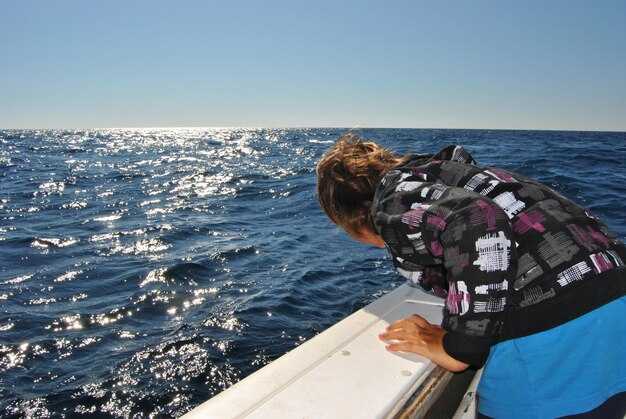
选择低排放发动机,使用合适的燃料,并制定常规维护计划,以最大限度地减少排放,保护水域并延长发动机寿命。.
这种方法为世界各地的船民提供服务,由三个核心支柱组成,涵盖选择、燃料和维护,并提供在你所在地区应用这些支柱的明确方法。日常维护的作用是防止代价高昂的故障,提供可靠的性能,同时减少有害影响。.
- 发动机类型和性能:选择一款与其船只尺寸、负载和典型天气相匹配的低排放舷外机(四冲程、直喷或电动)。验证认证信息,并依赖于可靠的售后支持,而不是快速的销售宣传。.
- 燃油管理和处理:为发动机类型使用新鲜、合适的燃油;储存在远离热源的密封容器中;使用燃油处理剂或稳定剂;从信誉良好的来源购买;避免在炎热天气中使用有害混合物;为整个季节的燃油质量做好计划。.
- 维护方法和时间表:定期进行例行检查;使用成熟的维护方法;更换过滤器、检查软管、测试燃油管路、清洁或更换火花塞或喷油器、并冲洗冷却系统;记录结果;培训船员掌握技术;这些做法已纳入船只的维护计划中。.
- 围堵和保护:携带溢出物围堵设备和吸收剂;在沙滩或受保护的湿地附近发生泄漏时,迅速做出反应;加油时使用挡泥板,以避免船体接触和扰乱栖息地;制定一个尽量减少溢出影响的简单围堵计划。.
- 降低影响和平衡:通过保持速度和转速高效,并避免在娱乐区附近长时间怠速来降低排放;选择最大限度减少对野生动物和海岸线生态系统干扰的路线;监测环境影响并相应地调整技术。.
- 减少危害计划:制定一套切实可行的计划,以尽量减少有害排放,实施培训,并在每次航行后审查结果;确保这些步骤纳入俱乐部或码头的计划中。.
在船上负责任地打包、存放和处理废物
Pack 将垃圾放入坚固、可密封的容器中,并将其放入厨房和附近储藏区内清晰标记的垃圾箱中。在航行过程中,务必保持盖子紧闭并对齐内衬,以防止泄漏,从而确保航行更安全,生活空间更安静。.
Plan 通过估算每人每天的产出量,并为一次性用品设定消费限额来提前做好准备。特别是在较长的旅行中,在每天结束时审查垃圾产生情况,并调整垃圾箱和容器的布置,以最大程度地减少不同材料之间的交叉污染。.
分开 将液体和危险物品与食品分开。使用 advanced 油漆和溶剂的储存方法,将其置于锁闭、通风的空间内,远离热源和潮湿。保持清晰的间距,以避免在恶劣海况下发生污染和潜在的溢出。.
减少 通过选择浓缩产品并仅使用您需要的量来清理废物。冲洗时,收集清洗用水并在可行的情况下重复使用,从而减少能源消耗并最大限度地减少可能破坏水质和海洋生物的径流。.
保护 通过选择耐用、防漏的瓶子并确保所有容器状况良好来保护环境。固定好每个瓶子和罐子,以防止在具有挑战性的条件下丢失、与绳索缠绕或意外倾倒。.
丢弃 负责任地靠岸时:使用专用袋和容器将垃圾运到岸上设施,切勿将塑料或化学品排放到水中。尽可能进行回收,并将废物退回到岸上港口和家中的已批准计划,从而减少环境足迹。.
Maintain 明确航行期间处理废弃物的程序。培训所有船员持续进行材料分类,每日检查存储区域,并将废弃物远离食物储藏区和烹饪表面,以避免污染和扰乱船上日常活动。.
关闭 通过在饭后快速清理并将垃圾及时存放在适当的地方来避免恶性循环。 定期检查可以降低残留物和异味的风险,从而为船上的每个人提供更安全的航行和更愉快的航行体验。.
安全加油:使用滴盘、正确的油箱操作规程和防溢容器,防止溢油。
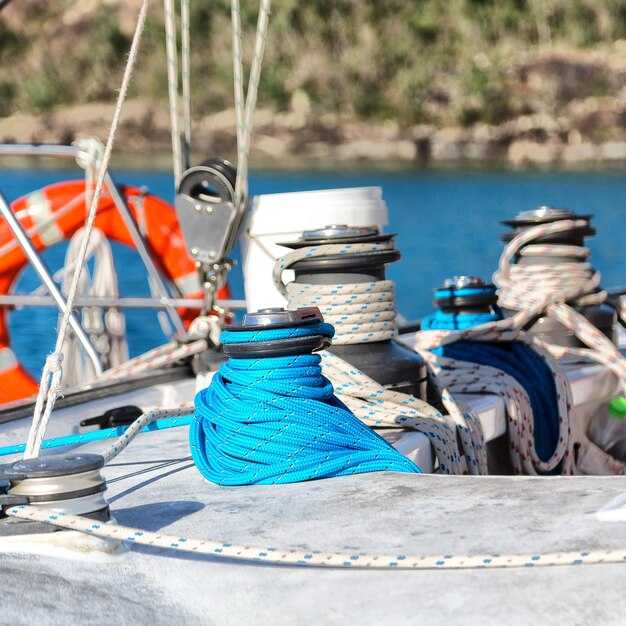
从每个加油点下方的滴液盘开始,并制定二级围堵计划 准备好接住滴漏。在加注点放置一个盘子,并在附近放置吸水垫。这个简单的步骤可以防止溢出物成为水污染源,并减少加油期间的潜在损失。.
选择适合您加油设置的滴油盘类型:轻质塑料便于携带,金属盘则坚固耐用。每种类型都应具有紧密的密封性和凸起的边缘,以将溢出物导入收集区域。加油前,检查密封件并更换破裂的边缘以避免泄漏。专为船用设计的塑料比其他材料更能抵抗盐和紫外线照射。.
标准加油作业 从发动机关闭、通风口打开并连接接地软管开始。按照油箱程序操作:保持喷嘴与油箱开口接触,避免强行连接,并监控加注量以保持在目标容量。特别注意,避免加满,并使用仪表来衡量容量。.
遏制措施 包括放置吸附垫、备用托盘以及码头边的便携式围油栏。收集用过的垫子并将其储存在封闭的容器中;保持甲板干燥,以防止塑料进入水中。这种方法限制了溢出源靠近水线,并支持快速响应。.
燃油蒸汽会导致排放;使用紧密的盖子和封闭系统来减少排放。加油后,擦拭该区域以清除可能与径流混合的油漆碎片和其他碎屑。垫子和包装上的塑料应按照码头规则进行处理,以防止塑料进入海洋。.
法律与安全考量:非法排放会受到处罚;保持溢油应急包可用,并培训船员或常客;向码头工作人员报告任何重大溢油事件。这一常规有助于每位船只操作员保持合规性,并降低溢油成为代价高昂的清理工作的风险。.
在卡罗莱纳沿海码头,遵循这些步骤是减少损失和保护野生动物的实用解决方案。保持简单、可重复的加油流程可以成为每个船只操作的一部分,并支持更清洁的港口,尤其是在交通繁忙的夏季。.
将集油盘、正确的油箱操作规程和围堵措施纳入您的加油流程,构建一个可靠的解决方案,实现更安全的加油。这种方法有助于防止溢出成为反复出现的问题,并使加油成为一项简单明了的任务,人们能够小心谨慎地完成,从而保护喜爱的水上活动和沿海生态系统。.
谨慎抛锚和系泊:保护海床和敏感栖息地
仅在批准的地点抛锚,并在有条件时使用系泊缆绳,以保护海床。.
查阅普吉特海峡和卡罗莱纳海岸海图,确定指定的锚泊区域,以避开鳗草床、海带森林和其他敏感环境。使用可控的抛锚方式,保持与深度相适应的锚链长度,并在离开舵位前验证锚泊是否稳固。.
抛锚时,尽量选择码头浮标或隐蔽地点,避免在水底拖锚。如果必须抛锚,尽量减少干扰,将抛锚次数限制为一次,并注意水流或涌浪引起的海床变化,如果移动增加,则驶向更深的水域。.
对于废弃物和燃油补给,请将垃圾和油性残留物丢弃在场外处理设施或码头容器中。切勿将舱底水或油性残留物排放到水中;如果发生任何排放,请立即报告并控制。.
加油时,在陆地或指定码头进行;在栖息地附近关闭发动机,并检查软管是否泄漏。使用吸水垫接住滴漏物,并将溢出物储存起来,直到您可以在陆地设施中清理干净。.
防止污染,保护健康;水体受到污染时,胃肠炎风险上升。在陆地上用淡水冲洗甲板,或使用经批准的冲洗设施;避免将冲洗水排放到水体中。.
长期成功取决于检查溢流和泄漏的例行程序;在栖息地附近锚泊时,保持发动机安静并关闭,以减少浑浊度;并审查围堵程序,以保持普吉特海湾和卡罗来纳海岸环境的健康。.
在码头活动中与其他参与者分享这些做法,以提高安全意识并鼓励船员和宾客承担责任。.
在下次码头活动上讨论这个问题。.
减少尾流、噪音和干扰:遵守限速区规定,采取有利于野生动物的措施
遵守规定的速度限制,并在距离鲸类动物、海豹和筑巢海鸟200米范围内,通过保持5节或以下的速度来减少尾流。这个简单的规则可以保护海床和生态栖息地,为朋友和休闲用户提供更安全的航行体验,并帮助运动船只与野生动物更和谐地共享海岸线。每当您进入敏感水域时,请计划停留在平静的航道上,以最大限度地减少对海洋生态系统的干扰和与干扰相关的压力。.
注意观察前方野生动物的活动迹象,并沿既定航道行驶,以减少突发操作。如果在该区域的沿海站点发现鲸类动物或海豹,请立即减速并为其留出空间。这种做法支持各州和地区之间的生态预防,降低碰撞风险,并减少病原体通过船舶排放传播的可能性。通过选择平稳、可预测的转弯,您可以在保护海床和筑巢地的同时,确保人类活动的安全和愉悦。.
Reduce noise by avoiding sudden accelerations, keeping engines at steady idle when appropriate, and using quiet modes or electric propulsion when possible. Lower sound levels improve the experience for recreational lovers and sport users, and create a calmer environment for wildlife. Whenever it’s feasible, limit loud conversations and music; the positive impact shows up in easier wildlife viewing and fewer disturbances for seals, cetaceans, and other coastal residents.
Practice responsible waste management: never flush near bays or rookeries, and use pump-out stations to prevent discharge of pathogens. Adhere to USEPA guidelines and local regulations to protect water quality and seabeds, while strengthening prevention efforts across the region. Choose vessels with safe materials such as aluminum or other durable hulls, and minimize power requirements through efficient operation and solar options when available to further reduce noise and emissions. This approach ensures safer experiences for home waters and supports ecological health for communities and visitors alike.
Share these practices with friends and other recreational users, and participate in community events that promote responsible boating. By staying informed about the region’s rules and ecological needs, you create a positive, sustainable environment for wildlife, habitats, and people wherever you boat.