


 简体中文
简体中文  English (UK)
  Русский
  العربية
  日本語
日本語  한국어
한국어  Magyar
  Türkçe
  Español
  Čeština
  Svenska
  Português
  Ελληνικά
  Suomi
Suomi  Nederlands
  Română
  Italiano
  Français
  Polski
  Українська
  Deutsch
  Slovenčina
 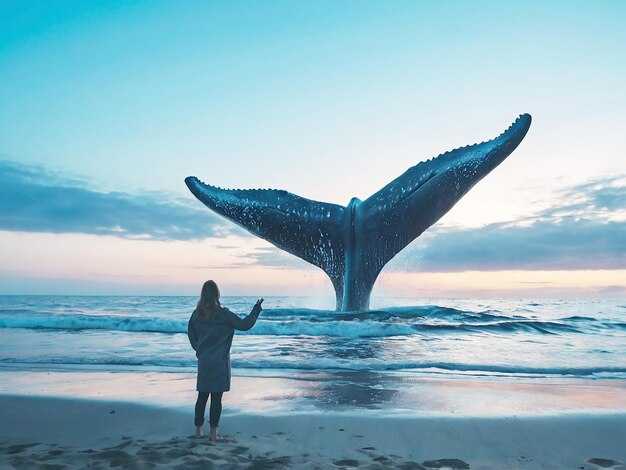 12 Best Whale Watching Tours in Cabo San Lucas | Top Picks">

Book a dawn charter with licensed operators and follow the captain’s safety briefing. These early sails maximize sightings, stay within open waters, and keep the experience comfortable and well-paced.
Year-round options exist, yet the most reliable sightings come during winter through spring when several cetaceans migrate along the coast. These choices vary in vessel types–from panoramic catamarans to agile Zodiacs–that influence stability and comfort on choppier days. Check the weather forecast, and pick one with ample shaded deck space to stay comfortable even as the seas kick up. There are tons of alternatives, so consider which setup fits you–speed, range, and crew knowledge.
Turtles may be seen near reefs during surface intervals, adding variety to the day. Leading operators provide narrated sightings so you can really follow the behavior of pods, tail slaps, and breaching displays without disturbing wildlife. Within each voyage, ensure your vessel has comfortable seating and shaded areas to maximize enjoyment; these opportunities stay engaging for families and solo travelers alike.
When you contact operators, confirm open dates, pickup points, and what’s included–snorkel gear, refreshments, and bilingual guides; ask about meeting points and transfer times. Laws emphasize respect for marine life and limits on engine noise; however, stay within respectful distances to protect the earth and ensure the vessel remains safe. If seas are rough, be prepared to switch to a shorter ride or reschedule; weather conditions can shift quickly, so choose a flexible itinerary that minimizes risk and maximizes chances of a memorable encounter.
Within each option, look for operators with transparent safety records, clear cancellation policies, and vessel maintenance logs. Follow the captain’s instructions, stay aware of your surroundings, and contact staff if you need a drink or a towel. The right day brings calm waters, favorable weather, and the chance to see multiple species–a really amazing experience that connects you to the sea year after year.
Whale Watching in Cabo San Lucas: A Practical Guide
Here is a concrete recommendation: book a small-boat charter with a licensed captain who limits guests and follows established rules; this keeps crowds down and increases the chance for a respectful, close encounter with curious cetaceans.
Choose a trip operating from cabos, preferably a half-day option starting early to catch the most promising hours; calm mornings offer the most possible opportunities to see jumps, spouts, and calving on many days.
For snorkeling enthusiasts, select operators with stable platforms and clean gear; a crew that speaks spanish can help interpret playful surface behavior and signals from the sea, and a captain committed to keeping distance ensures a respectful, safe experience.
Weather matters: windy days reduce visibility, and crowded decks increase stress for the animals; given conditions, be prepared to reschedule to keep the encounter natural and safe.
Look for predictable signals: calving, playful splashes, and surface escorts are more common when the herd is in sheltered areas; if you heard distant spouts, let the captain position the vessel for seeing, not chasing.
Weigh the duration: a half-day trip often delivers a focused, perfect experience, while full-day options can be generating more encounters but may feel crowded and tiring.
To save the memory for future days, follow guidelines: keep distance from animals, don’t chase, and turn off engines when they surface; respect rules to protect nature and reduce disturbance.
Ask for a respected guide or captain with a history of safe operations; found in reviews and safety audits, ensure the outfit publishes standards, uses a spanish-language crew, and maintains high-quality gear–this helps you weigh decisions and avoid rough experiences.
Bring sunscreen that won’t wash into the water, a hat, water, a camera, and binoculars; use polarized lenses for better seeing of surface actions, including jumps and tail slaps, while staying mindful of the increasing crowd dynamics around you, and keep an eye out for natural sounds and movement.
Given this approach, the atmosphere in cabos becomes a killer experience where nature dominates; with the right captain and guide, you can have a perfect, memories-worthy day and help ensure the experience remains available for generations to come.
12 Best Whale Watching Tours in Cabo San Lucas – Top Picks; Is Whale Watching in Cabo Regulated
Recommendation: choose Coastal Explorer, a guided, regulation-compliant cetacean-sighting experience with an on-board guide; when seas are calm, it delivers close views while caring for the animals. Present features include a 6-passenger catamaran, depart times 08:15 and 11:45, duration 2.0–2.5 hours, price around 95–120 USD, wheelchair accessible deck, 100-meter stay distance rules, live narration, and observations of birth calves and pod formations; this option, which emphasizes safety and education, stays ahead in care for wildlife.
Option 2: Ocean Pearl, a 38–40-foot craft, features shaded seating and a stable ride; departures at 07:40 and 10:00; durations 2.5 hours; capacity up to 38 guests, though many departures keep small groups for closer experiences; guided narration (spoken in English and Spanish) presents insights into cetacean behaviors, feeding, social interactions, and, during peak season, birth events; extras include a soft-landing platform for near vantage points, wheelchair access on select itineraries, and a strict distance policy; care for wildlife is stressed throughout; which makes it a strong choice for families and photographers.
Option 3: Blue Horizon RIB is a fast, small-group craft for early hours, max 8 guests; depart 06:30; duration 1.5–2.0 hours; high-speed approach to pods where you can see left and right flanks and formations; guided narration focuses on patterns of behavior and signaling; engine noise minimized to keep loud disturbances low; weather dependent; times may change; price 90–130 USD; when seas cooperate, this option presents rapid, exhilarating experiences.
Option 4: SeaSpray Classic – two-level catamaran with broad deck; depart 07:20 and 09:40; duration 2.0–2.75 hours; group sizes mid-range; features: on-board guide providing spoken commentary about pods’ behaviors and feeding; left- and right-side viewing windows; upgrade includes a light breakfast; wheelchair access on main deck; times can change with wind; care for wildlife emphasized; prices 110–150 USD.
Option 5: Dawn Seeker – mid-size vessel 26–32 ft; depart 05:50; duration 2.0 hours; features: bilingual guide, live narration, close-up looks at small calves; births documented when observed; front-row seats; care for wildlife; drop-off is optional at peak times; price 100–140 USD; here the emphasis is on calm seas and brief segments; sometimes times shift by season.
Option 6: SeaVista Explorer is a 30–40 ft catamaran with a broad deck for a magnified view; depart 08:30 and 12:00; duration 2.75–3.25 hours; capacity about 30; features: naturalist guide, spoken commentary, pods staying in stable formations; they emphasize never chasing; 100-meter rule; wheelchair access on main deck; price 110–170 USD; over the course, care remains priority.
Option 7: Island Light Cruise – smaller vessel with intimate setting; depart 07:15; duration 2.0 hours; capacity 6–12; features: guide with deep knowledge about behaviors and birth cycles; close photography opportunities; left- and right-side viewing; spoken commentary; price 95–125 USD; accessibility limited but possible with assistance; here the presence is kept low-impact.
Option 8: Pacific Glide – mid-size power catamaran with raised bow; depart 06:50; duration 2.25 hours; capacity 20–26; features: guided interpretive talk focusing on changing formations and behaviors; data-driven observations; liferafts and safety gear; drop-off at pier after trip; wheelchair access on lower deck; price 105–155 USD; the crew notes that times can shift with tides and sun angle.
Option 9: Sierra Star – long-range cruiser; depart 08:00; 3.0 hours; capacity 26–32; features: experienced guide, bilingual commentary; observe pods from multiple angles; magnificent views; tons of spray; when conditions permit; care and safety prioritized; live narration; price 120–170 USD; stay on deck allowed for most guests.
Option 10: Coastline Whisper – quiet, eco-friendly electric-hybrid vessel; depart 08:40; 2.0 hours; capacity 18; features: silent approach; spoken commentary; formations preserved; here the naturalist points to habitats near the coast; price 130–160 USD; accessibility on main deck.
Option 11: Golden Wave – large group vessel; 40–50 ft; depart 07:10; 2.5 hours; capacity 40–50; features: magnificent vantage; tons of spray; care for wildlife; live sightings; calves and seasonality; close approach policies; drop-off offered at pier; wheelchair access on main deck; price 90–120 USD; times vary with wind.
Option 12: Regulation & Safety – Is this activity regulated? Authorized outfits hold permits; boats must maintain a safe distance from cetaceans (commonly around 100 meters, with smaller margins under certain conditions); idle engines required to minimize noise; no feeding or pursuing; on-board naturalists or guides must be qualified; operators are required to provide safety briefings and accessibility options; here, you can check that your chosen experience adheres to a current permit and a care plan; regulations can change with seasons, so ask about recent updates before booking; in practice, choose a place with transparent rules, and avoid silent or careless operators, which ruin experiences for others and for the animals.
Vessel Types: Zodiac, Catamaran, and Luxury Yacht Options
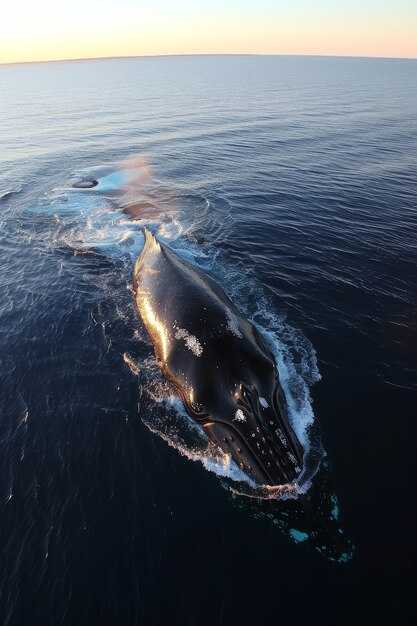
Recommendation: For mixed needs and groups arriving with friends, a catamaran option offers stability, ample deck space, and a social layout–making it a sensible first choice for a coastal tour.
Zodiac boats deliver speed and access to tight coves near the beachfront, with up to 12 visitors per trip. They excel for short, active outings and are typically more affordable, aligning with laws that regulate fishing and wildlife interaction. Guides on board speak about safety and local regulations before departure.
Catamarans provide a stable ride, wide decks, shaded lounges, and room to mingle, making them a combo of comfort and capacity for groups of friends or families. Including snorkeling gear and a gentle pace, these vessels often connect with shore stops at marina piers and beachfront coves. Prices reflect length of stay and port fees; wheelchair-friendly boarding is common on modern boats, helping visitors with needs.
Luxury yachts deliver personalized service, boutique touches, and flexible itineraries tailored to small groups. This option joins private crews, whom guests connect with for a tailored day, including on-board dining and reserved marina passes. Government permits govern wildlife viewings, and captains speak about whaling history and conservation before departure. A charter can be shared with friends or kept strictly private, offering a highly customized experience.
| Vessel Type | Typical Capacity | Pros | Accessibility | Prices | 最适合 |
|---|---|---|---|---|---|
| Zodiac | 6–12 guests | Speed, access to coves, shallow reefs | Limited boarding; some models wheelchair-accessible | Low–mid | Short, active outings near the marina |
| Catamaran | 20–60 guests | Stable ride, shaded decks, room to mingle | Usually wheelchair-friendly on newer units | Mid | Be beachfront views, snorkeling, social groups |
| Luxury Yacht | 2–20 guests | Personalized service, private routes, on-board catering | 在多种船只上实现完全自定义的访问 | High | 与朋友的私人一日游,精品体验 |
目击窗口:高峰月份、天气和鲸鱼行为
建议:以 12 月下旬至 3 月为目标,以便在下加利福尼亚州南部海岸获得最强的存在感;您在 1 月至 3 月的机会会增加。 预订早上或下午早些时候的 3 小时游览,因为那时海面通常较为平静,并保留灵活的选择,以防天气需要取消。.
- 高峰期和出现时间:12月至4月,1月至3月活动更为频繁;小鲸鱼常见于2月至3月;迁徙和觅食地在此期间汇聚于该州海岸线附近(区域)。.
- 天气和海况:上午微风低于15节,海面平静,能见度最佳;下午可能会出现涌浪和眩光,减少观测机会。请关注信息来源的更新;如果预报显示有潜在变化,则按中性条件计划。.
- 行为和觅食模式:预计会有诸如跃身击浪、拍尾和短潜等水面活动;2月至3月期间,幼崽往往待在成年个体附近;当有鱼群出现时会进行觅食潜水;潜水周期各不相同,但在活跃的日子里通常为2-6分钟。.
- 指南与安全:遵守当地指南和环境部的建议;保持适当距离,避免追逐,当动物靠近时短暂关闭引擎;指定观测点,确保安全、安静的观察;切勿喂食或诱饵。.
- 规划提示和选项:选择一个3小时的时间段,以适应天气的变化;尽早预订以确保名额,并优先选择有明确取消政策的运营商;如果上午的行程取消,下午的行程可以作为备选;寻找包含保护区或保护贡献的优惠。.
- 实用注意事项和费用考量:核实保护区和管辖权信息;部分运营商在因天气原因取消行程时提供灵活的取消或部分退款;按价值而非仅仅价格比较选项。.
- 观测线索与观点:您的观察可能显示鸟类在黎明时分于岸边鸣叫,预示着有利的观赏条件;事实上,平静的早晨通常会带来最丰富的地表活动;在预报明确之前,对上午与下午保持中立立场。.
信息与规划参考:SEMARNAT指南和区域野生动物摘要等资料来源,有助于确定最可靠的迁徙路线和觅食区域交汇点;区域变化常随水流而动,因此预订前请查阅最新报告;不同运营商的取消政策各有不同,付款前请核实相关细节。.
12个旅游项目的定价、包含内容和价值
选择一个中等价位的旅行项目,它包含装备、持证导游和交通接送;这种项目风险最低,并且在既定预算下,能够在帮助、包含项目和观赏几率之间实现最佳平衡。.
价格通常在每人 60 到 180 美元之间,以美元或当地货币计价,价格差异取决于距离主要区域的远近、行程长度以及包含的额外福利,如零食、饮料和讲解。.
核心配置因等级而异:基本选项包括水和简便小吃,并配有训练有素的导游;中级附加项目包括双筒望远镜、救生衣和短暂的浮潜时间;高级选项则换成水肺潜水装备、更长的水上活动时间以及在海湾水域中更大、更稳定的船只。.
价值驱动因素包括驶向海湾水域最佳观景点更长的航线、覆盖的距离以及壮丽的悬崖背景;诸如家庭港口接送或多语种船员等附加服务增加了便利性。.
为了避免多付钱,请预先留意额外收费;如果您追求梦幻般的时刻,请确认包含项目涵盖诸如装备、向导和照片等关键物品;对于一次体力活动,选择一条甲板空间适合长时间步行的路线。.
实用指南:选择包含船只、导游、基本浮潜和骑行后照片的中档游览;如果稳定性很重要,请避免最便宜的选择,如果您的行程中没有水肺潜水,则可以跳过价格最高的选项。.
提示:核实取消条款,确认预计目击数量,阅读关于船员语言和安全性的评论;如果你想要一个引人注目的背景,前往海湾水域,以获得更有意义的目击体验。.
What to Bring, Dress Code, and Onboard Etiquette

出发前,请打包一件轻便的防水外套和防晒霜。墨西哥太平洋沿岸的清晨海风习习,光线和浪花变化迅速,所以请做好准备,确保整个航程的舒适。.
需要携带的物品:至少8倍放大的双筒望远镜、带变焦镜头的相机和额外的存储卡、充满电的充电宝、可重复使用的水瓶、零食或食物、如果需要可携带晕船药、带SPF的润唇膏、轻便的雨衣、宽边帽、带紫外线防护的太阳镜,以及一个用于存放贵重物品的小型防水袋。将物品装在防风雨的袋子里,以确保万一有浪花溅到船上时所有物品都能保持干燥。.
着装要求:透气、速干的衣物,方便随着温度变化增减;一件防风外套,以备清晨出发;舒适的、抓地力好的闭趾鞋;浅色衣物,减少吸热;以及定期补涂的防晒霜。避免佩戴厚重首饰,妥善保管贵重物品,以防船只突然摇晃造成损失。如果风向转变并升起风帆,请相应调整站姿和衣物。.
船上礼仪:安全讲解时请听从船员指示;遵守官方信号和规则,尤其是在船只离港时。在被告知时保持坐姿或缓慢移动,避免靠在栏杆上,切勿靠近野生动物。与鳐鱼及其他海洋生物保持安全距离;船员可能会测量或引导距离以保护动物——请遵循他们的测量。使用小声说话,关闭或静音手机,并保持过道畅通以便紧急通行。请勿喂食或触摸野生动物,并负责任地处理垃圾。如果晕船,请告知船员,不要使用未经证实的方法自行治疗。保持低音量,以尊重其他旅客和环境。.
选择一个负责任的运营商至关重要。寻找一个知名的服务,它强调保护意识和对地球友好的实践。在旅行开始前,确认行程和游轮的官方开始时间;许可和安全简报是流程的一部分。当旅行者尊重环境并在享受海洋生物的同时遵守规则,体验会非常棒。如果您正在寻找最集中的活动,请保持耐心,让观测自行出现;尊重生物占据的空间和船员的指示。.