


 简体中文
简体中文  English (UK)
  Русский
  العربية
  日本語
日本語  한국어
한국어  Magyar
  Türkçe
  Español
  Čeština
  Svenska
  Português
  Ελληνικά
  Suomi
Suomi  Nederlands
  Română
  Italiano
  Français
  Polski
  Українська
  Deutsch
  Slovenčina
  108-ft Paragon Tri-Deck Yacht | Paragon Motor Yachts">
Choose the 108-ft Paragon Tri-Deck for a class option that blends long-range cruise capability with true luxury. This three-deck layout delivers a cohesive flow from the main salon to the skylounge, with a double-height interiors space that makes every moment feel expansive. Exterior decks invite alfresco dining and sun-washed lounging, while the overall silhouette emphasizes sea efficiency.
The hull and systems are tuned for reliable performance under wind and sea states. At 32.9 meters, the yacht carries a beam around 6.7 meters and a modest draft that helps access tighter anchorages. Water capacity and fuel capacities are explicit: water around 18,000–20,000 liters and fuel near 60,000 liters, enabling a long-range cruise at steady speeds. The rs82 radar, a monitor on the bridge, and the simrad navigation suite keep the captain informed in all conditions, while the equipment roster includes gyro stabilization, a sea-keeper system, and enhanced docking aids.
The interior design by gianneschi emphasizes light and tactile materials, with interiors crafted to feel welcoming yet precise. Accommodations sleep up to 10 guests across five staterooms, including a full-beam master and double-berth guest suites. The double-height main salon connects to the formal dining space and a sky lounge, while the interplay of wood, stone, and textiles creates a hotel-like atmosphere at sea. Crew accommodations stay separate to preserve guest quiet during long passages.
Propulsion and handling balance reliability with refined control. Paragon’s Tri-Deck typically pairs powerful engines with an efficient propulsion plant, delivering steady cruise at 12–14 knots and a top end in the 18–20 knot range, depending on hull form and load. Jets provide added maneuverability in tight marinas, while a bow and stern thruster setup, a lofrans windlass, and well-positioned navigation lights support safe dockside operations.
In terms of equipment and systems, expect a comprehensive package: stabilizers for comfort, multiple water jets or shaft options, ample fuel and water backups, and robust communication suites. With dedicated accommodations and a thoughtful layout, this Paragon model has been prepared for extended seasons at sea, offering a practical, comfortable platform for owners who value reliability, elegant interiors, and confident offshore cruising.
108-ft Paragon Tri-Deck Yacht – Paragon Motor Yachts
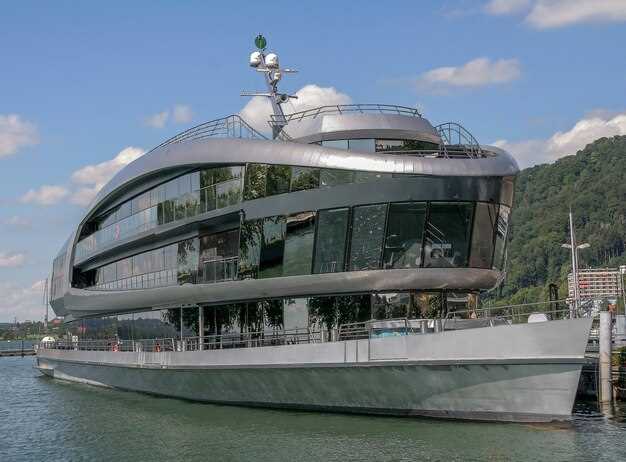
Choose the 108-ft Paragon Tri-Deck Yacht for a balanced blend of luxury and sea-handling practicality. The design by gianneschi combines generous accommodations across three levels with refined interiors and a versatile dining layout, delivering a yacht that fits both intimate cruises and extended charters. With the right size and class-leading fit, this model maximizes capacities while keeping open-air spaces ready for wind, sun, and shade.
On the main deck, the galley and dining area flow into a bright salon with double doors to a shaded aft terrace. The master suite and guest accommodations are arranged with double beds and generous headroom, while crew rooms sit quietly aft to minimize foot traffic through guest areas. A dedicated station with an ergonomic interface handles navigation and entertainment, drawing on Simrad displays for radar and charting.
Gyro stabilization keeps the ride steady during cruise, while rs82 sensor arrays provide precise heading at sea. The helm interface centers on intuitive controls, with Simrad displays delivering wind, depth, and navigation data at a glance. A robust fuel system with liters-scale tanks supports extended itineraries, and the life-support systems are tuned for quiet operation.
Interiors balance luxury and function, with a dining salon that seats twelve and a galley equipped for full crew service. The accommodations balance guest living with practical crew areas; life aboard feels spacious even on long passages. The design has been optimized for charter operations, offering flexible layouts and a modular dining option that can adapt to groups of 8–12.
Compared to Mangusta offerings in the same size class, the Paragon 108 Tri-Deck prioritizes steady cruising stability and expansive guest areas. The triple-deck arrangement creates distinct space for a formal dining area, a casual lounge, and a dedicated crew mess that keeps service efficient on demanding itineraries. This yacht has been engineered to deliver confidence at sea and a smoother overall experience when weather winds rise.
108-ft Paragon Tri-Deck Yacht – Practical Details for Owners and Buyers
Begin with a practical test plan: verify power-on stability, check endurance at cruising speeds with a full load of guests, and confirm the stabilizers engage smoothly in mixed wind conditions. Run a full systems check on the platform and swim steps, and validate that fuel and water capacities align with the published specifications.
Accommodations center on comfort and privacy for guests while keeping crew operations efficient. Expect multiple double staterooms or suites for guests and clearly separated crew quarters with independent access. The galley should flow toward the dining area with intuitive sightlines for the captain and service staff, and the interiors should combine warm teak with modern surfaces to create a balanced yacht-y feel across all levels. Plan for generous live-aboard life spaces on the upper deck to reduce traffic through the main deck areas during busy days.
Design and interface actions matter as you evaluate the helm and passenger areas. Look for a clean, legible interface with engine and navigation data accessible from a central station and from secondary stations for crew operations. Ensure the design provides natural light, functional storage, and logical traffic flows between the galley, dining, and lounge zones. The overall size should translate into seamless transitions from social areas to private cabins, with quiet zones preserved for rest.
Equipment and safety deserve specific focus: verify hull and deck equipment build quality, confirm stabilizers operate to reduce roll at anchor and underway, and inspect safety systems, life rafts, and search-light arrangements. Evaluate the teak decks for maintenance needs and confirm the watermakers, desalination capacity, and shore-power compatibility meet your typical itineraries. Check the interface between navigation gear, communication gear, and entertainment systems for reliable control from both main and crew stations.
Brand cues and feature ideas help you compare options: Paragon’s tri-deck arrangement often highlights spacious upper-level entertaining and broader platform integration for dinghy stows and toys. If a prior build references Mangusta styling cues or Gianneschi-inspired helm lines, inspect how those influences appear in exterior lines and interior finish choices. LoFrans windlasses and capstans, if installed, should operate smoothly with minimal shiny wear, and anchor handling must remain straightforward from the primary helm station as well as the bow station.
Practical buyer steps: request a complete equipment list with capacities in liters, including fuel, water, and potable-water systems. Confirm guest and crew capacities, check life-saving equipment inventory, and review the class certificates and recent survey reports. For ongoing maintenance, ask for service histories on stabilizers, thrusters, generators, and the teak deck care program. Finally, plan a viewing that includes a hands-on check of galley workflow, an interiors tour, and a test of the platform and tender handling to ensure that all systems match your day-to-day needs on a yacht of this size.
Hull Dimensions, Stability, and Draft Considerations
Keep the full-load draft at 2.03 m (6 ft 8 in) and balance weight forward to maintain a slight positive trim for cruise stability in typical sea states.
The 108-ft (32.92 m) hull presents a beam of about 7.92 m (26 ft), with a broad waterline that supports steady motion under load. Design targets a displacement near 230 metric tons, offering a robust righting moment while keeping entry angles favorable. This size supports generous accommodations without compromising maneuverability in marina blocks or during close-quarter operations.
Stability margins follow class guidance and practical expectations for a tri-deck layout. Aim for a positive initial metacentric height (GM) in the range of roughly 0.8–1.2 m under typical cruising loads, with reserve righting energy preserved when fuel, water, and gear shift between forward and midship zones. A well-distributed ballast plan helps keep the gyro-stabilized platform predictable when gusts from wind reach higher speeds.
Weight distribution plays a critical role in draft management. Position heavy equipment and systems–gensets, water tanks, and galley/appliances–near the centerline and midship to minimize trim changes during guests’ movement between forward dining areas, interiors, and accommodations. In practice, load plans should keep the forward areas slightly heavier at anchor or during cruise to reduce stern squat and preserve headroom in the galley and life-support zones.
Draft planning must consider propulsion and maneuvering implications. If the yacht uses water jets or jet-assisted drives, verify that the hull’s waterline remains within the stability envelope at low-speed transits and during docking. Maintain clearances to underwater hazards at the forward and aft sections, and coordinate with the equipment interface to ensure the monitor displays exact draft, heel, and trim readings in real time.
Operational guidance for guests and crew translates to proactive monitoring. Use Simrad interfaces and the gyro to track heel and roll during wind gusts, then retrim as needed to keep interiors comfortable and safe for life, dining, and lounging. Keep the galley, dining spaces, and interiors balanced so seating areas for guests align with the forward and midship zones without crowding the life-saving equipment or compromising access to the deck exits.
Gianneschi design notes emphasize hull form that trims efficiently under full load while preserving generous accommodations. The forward sections support the dining and galley, while the midship and aft zones house cabins, lounges, and the crew area. Practical testing under varied load cases ensures the LOFRANS windlass, life-raft storage (RS82), and other equipment interface smoothly with stability targets and deck clearance.
Propulsion System, Fuel Capacity, and Range
Recommended configuration uses 60,000 liters of fuel to support 2,400–2,600 nautical miles at a steady 12–13 knots, with a 10–15% reserve for head seas and unexpected weather.
The propulsion system centers on two MTU diesel engines driving shafts to a pair of propellers. The mangusta-inspired hull tuning informs stability in wind and water, while the station interface ties engine data to Simrad displays and the RS82 radar. A GIANNESCHI panel coordinates controls, and a LOFRANS windlass handles anchor operations. A gyro aids precise handling during docking and turns, and fin stabilizers reduce roll for guests aboard the life spaces across the interiors and galley.
Optional water jets can be added for enhanced maneuverability in shallow harbors, with the same control interface supporting a seamless switch. Cruise planning prioritizes comfort and efficiency, protecting the teak-clad decks and ensuring accommodations for guests remain relaxed during long passages.
Accommodations emphasize spacious life areas, with interiors designed for easy entertaining and robust galley service to support extended cruises. The design and interfaces emphasize clarity at the helm, aided by Simrad displays and the RS82 radar, ensuring reliable station monitoring and quick decisions when conditions shift.
| Component | Specification | 说明 |
|---|---|---|
| 发动机 | 2 x MTU diesel engines (shaft propulsion) | High reliability, total output around 6,000 hp |
| Fuel capacity | 60,000 liters | Range ~2,400–2,600 nm at 12–13 knots; 10–15% reserve |
| Cruise speed | 12–14 knots | Optimized for efficiency and comfort |
| Top speed | 22–24 knots | Light-load performance |
| Propulsion | Shaft with fixed-pitch propellers | Jet options available for shallow water |
| Stabilizers | Fin stabilizers | Improved comfort in chop |
| Navigation | Simrad system with RS82 radar | Helm monitor and station interface |
| Deck gear | LOFRANS windlass; GIANNESCHI control panels | Anchor handling and precise control |
Deck Layout and Interior Flow: Master Suite to Guest Cabins
将主人套房设置在主甲板上,设一条私人走廊向前延伸至中央主轴,然后向后延伸至一个客用大厅,再向下延伸至下层甲板的客舱。这样既能保证主人的隐私,又能为客人提供一条从餐厅到厨房和水上平台入口的直接、直观的路径。.
gianneschi的内饰平衡了精致的纹理与实用的轮廓,使主卧区域感觉既开阔又私密。主卧套间包括一个双人盥洗台和一个宽敞的衣柜,而附近的一个专用日用卫生间则为主卧和相邻的休息区提供服务。在下层甲板上,三间双人舱加一间客人双床舱为八位客人提供舒适的住宿,而不会显得拥挤,每间舱都配有私人卫生间和充足的储物空间。即使厨房服务繁忙,客舱之间的流动仍然安静且可预测。.
驾驶台和前部休息室集成了 Simrad 电子设备,并在主站设有一个专用监视器,支持对导航和速度的精确控制。RS82 雷达数据馈送可在多个显示器上查看,帮助船长在多变的风浪条件下进行操纵,同时保持主甲板上客人的舒适度。.
服务动线紧凑且不突兀:厨房位于主甲板右舷,配有一个服务站,为前方的用餐区提供服务,从而避免噪音干扰客舱。设备布局强调冷藏、食品储藏室和餐具线的短程连接,以便船员能够高效地送餐,而无需穿过客人区域。.
进入游泳平台可从下层甲板直接进入,并设有专门的船员通道,不会干扰到客人的通行。喷射器和推进微调都经过调整,保证在狭窄的港口也能平稳响应,而甲板上的挡风板则有助于在停靠港口和投放接驳艇期间保持船上环境的稳定和舒适。通过船体设计和扶手的精心布置,最大限度地减少了前方风力,因此在各层之间移动感觉自然流畅,而不是突然而至。.
舱室尺寸优先考虑宽敞的头部空间和壁橱空间;每个舱室都配备专用显示器,用于娱乐和系统检查,而共享通道则采用间接照明和柔和曲线,以减少长时间航行中的视觉疲劳。平台边缘始终处于客人座位和厨房工作人员的触手可及的范围内,从而实现用餐、休闲和水上活动之间的无缝衔接。.
此布局的关键设计要点包括:
- 住宿:下层甲板4间客舱 + 主甲板主人舱;双人或双床配置,共8位客人
- 厨房:战略性地靠近餐厅,设有快速服务站
- 餐饮:前主甲板餐饮区,在视觉上与厨房保持连接
- 平台:坚固的船尾平台,方便水上活动和玩具存放
- 设备:连接至中央控制枢纽的高容量系统,具有监控状态
- 监视器:在沙龙和驾驶台显示器上,让客人随时了解游艇状态
- 生命安全:与容量和当地法规相符的全面生命安全设备
- 燃油:容量适合远程巡航;规划在典型港口的加油选项
- 升:手册中引用的水和燃油体积,用于指导操作
- 大小:主人套房约 450–520 平方英尺,下层甲板客舱尺寸适于舒适性和便利性
- 船舱:双人间和双床间配置,带独立卫浴设施
- 餐饮:与厨房服务流线相连,毗邻休息室,可提供多样化的娱乐活动
- lofrans:因其在锚泊和辅助停靠期间的可靠性而被选中的起锚机和甲板五金件
- 前言:甲板和内饰通道使客人能够流畅地从舵柄移动到游泳平台
- gianneschi,内饰,游艇,mangusta:设计线索和品牌元素融入氛围和符合人体工程学的布局
- rs82、simrad、监视器、平台:连接至中央控制且可从多个站点访问的导航和监控系统
- 喷射器、风力、控制:推进和稳定组件经过调整,实现安静、稳定的操控
电气、电子和导航套件
安装一套双冗余思明导航系统,配备专用前向站和一个rs82陀螺仪,以保证在所有海况下都能实现精确的转向。将其与强大的监视器网格和直观的界面配对,船员可在巡航作业期间依赖该系统。.
- 电力和配电:两台柴油发电机组,每台额定峰值功率为180千瓦,为三个主配电盘供电,主配电盘与重要和非重要母线之间具有自动交叉连接;电池组为关键显示器和靠泊操纵期间的自动驾驶仪提供不间断电源。.
- 监控与控制:一个4显示器驾驶台网格(每个大约24英寸大小)加上一个19英寸的机舱监控器,确保燃油、油箱中的升数、排气温度和负载的实时可见性;该界面将导航、引擎数据和安全摄像头集成到一个平台上,以便船员进行监督。.
- 导航和传感器:simrad NSO evo3S系统,包括雷达、AIS、自动驾驶仪、深度和天气覆盖;海图本地存储,定期更新;rs82陀螺仪为主要罗盘提供稳定转向;专用前部站位使舵手与乘客区域分隔。.
- 平台与安全:柚木甲板和齐平的船艉平台与船首喷射器和船艉推进器相整合;稳定器在高速巡航时保持舒适性;前部控制台包括用于精确停靠的操纵杆和用于维护人员的简化电路。.
- 内饰与宾客体验:gianneschi设计的内饰强调简洁的界面设计和触感控制;用餐区相邻的设计可在巡航期间实现无缝服务;六个客舱以及独立的船员舱布局,可容纳多达12位客人和6位船员,具体取决于所选配置和船级社认证。.
维护、备件和售后支持
先从陀螺仪校准、Simrad导航套件和核心设备的六个月定期维护开始,并在每次航行前在站内进行航前检查,以确认监测读数和接口完整性。对于108英尺的Paragon三层甲板游艇来说,这个例行程序可以保持关键系统对齐,并最大限度地减少长途航行的停机时间。.
在厨房平台附近设置一个专用的备件柜,储备Gianneschi和Lofrans的备件,包括适用于游艇尺寸和容量的过滤器、密封件、叶轮、皮带、熔断器和垫圈。包括燃油和水系统配件、软管和卡箍,以最大限度地减少停机时间,并在厨房、用餐区或船员空间使用时支持快速维修。.
准备推进器和喷气发动机的备用组件,以及发动机和发电机的维修套件。跟踪磨损部件,如叶轮和皮带,并在设备界面上记录每次更换,以支持船员培训和未来的维护窗口。这种方法已经通过船员的反馈进行了改进,以缩短响应时间。.
与Paragon的售后团队和可靠的本地服务网络建立直接联系,以便快速采购零件。使用来自监视器和Simrad界面的远程诊断来诊断问题,无需上门检查,从而减少游艇在海上或港口停机的时间。.
按季度维护柚木和内饰,定期保养甲板表面、橱柜、用餐区、厨房设备和船员区。检查厨房和船员区的设备,核实水和燃油表,并确认容量读数与升数和油箱标记一致,以避免巡航期间出现短缺。.
在长途航行中考虑到风力暴露的影响,并确保在值班期间更新救生设备的状态。更新站台日志,并保持界面为最新状态,以便船员能够快速访问关键数据。.