


 简体中文
简体中文  English (UK)
  Русский
  العربية
  日本語
日本語  한국어
한국어  Magyar
  Türkçe
  Español
  Čeština
  Svenska
  Português
  Ελληνικά
  Suomi
Suomi  Nederlands
  Română
  Italiano
  Français
  Polski
  Українська
  Deutsch
  Slovenčina
 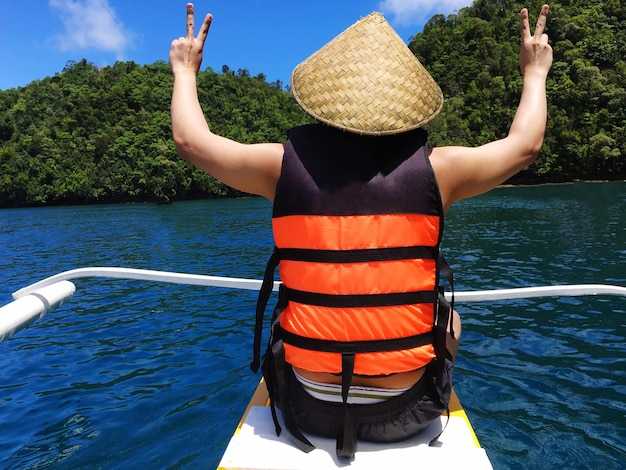 10 Must-Try Summer Boating Activities for Your Bucket List">

Grab a paddleboarding board at first light to start on open water and enjoy a relaxing glide. Dawn on a calm river offers minimal wake, crisp air, and reflections that sharpen the senses.
Across marinas and quiet coves, these ideas blend practical steps with simple pleasures. Use attached docks to rent gear, verify used equipment is in good condition, and choose routes along calm rivers where the heave of waves stays minimal. Paddleboarding builds balance, while bodyboard brings a splash near sheltered shoals.
Open-water itineraries can extend with a quick launch into motorized craft to cover longer stretches and reach distant harbors, then return to shore to 探索 waterfront neighborhoods. The advantage of mixing craft types lies in speed on some legs and stillness on others. At marinas you can grab a bite at local restaurants and watch the boats drift by.
Each day can pivot between calmer currents and mild challenges–start with a first leg along rivers, then switch to paddleboarding sections, and top off with a brief bodyboard session near a sheltered inlet. This adventures approach keeps something new on the radar when you open a map and plot a short loop that blends natural sights with entertaining stops.
Useful tips: check wind outlooks, secure gear, and attach identification to equipment; keep a lightweight emergency kit aboard. The blend of relaxing moments on the water and active exploration yields a day that feels both novel and practical.
Ultimate Summer Boating Bucket List
Launch at first light to a productive reef, then drop anchor before the heat climbs; calmer water enhances snorkel clarity and increases the chances to spot mahi just beyond the kelp line.
Paddling a two-hour loop around a hidden spot lets you compare distances to a shoreline or a rocky outcrop; bring fins and a mask, navigate with currents, return to the boat together.
Snorkel along the edge of a color-rich reef, then drift with the current to photograph fish and coral; either stay in shallow water or descend to deeper canyons.
Overnight anchor near a quiet cove, launch at dawn for a sunrise cruise; stars overhead frame the horizon while you cook simple mahi on deck.
Attend marina events and concerts; many ports host weekend markets and live tunes, blending a relaxed vibe after paddling sessions.
This option includes a long reach to a remote beach, where you snorkel, skim foam off the hull, and swim with schools of fish.
Meet like-minded captains joining in behind the breakwater, share grilling tips, swap knot knowledge, and plan overnight trips together.
Keep safety at heart: carry a basic first aid kit, wear PFDs, and check wind and tide windows where seas stay mild; stay alert for storms.
Creative touches elevate a voyage: mount a compact camera, set up a portable grill, bring a lightweight hammock, and tag the experience with memories that last.
Water-Skiing for Beginners: Gear, Spots, and Safety
Begin with a dedicated lesson on a sheltered cove of a natural lake, where a trained instructor uses a long tow rope and a steady boat platform. Rent or borrow a starter kit that includes a wide, stable waterski with adjustable bindings, a Coast Guard–approved PFD, and a handle on a suitable tow line. Wear a snug life vest, choose a helmet if desired, and add kneepads; sunscreen and a hat complete sun protection for long days on the water.
Gear essentials
- Waterski with a wide profile and comfortable bindings
- PFD (type III) and an optional helmet
- Tow rope about 25–28 ft (7.5–8.5 m) with a padded handle
- Neoprene wetsuit or UV-protective rash guard
- Kneepads and non-slip footwear for shore drills
- Sunscreen, water bottle, hat
- De-kit device to log sessions, speeds, and reps
Spots suited to beginners
- Calm inland lakes with minimal wind and shallow shelves
- Protected coves along the coast with gentle shoreline breaks
- Marina bays offering sheltered water and repeatable wakes
- Offshore areas only when wind is light and waves remain small
- Scenic water bodies that provide stable practice lanes for early stands
Technique and safety
- Confirm weather and water conditions; target wind under 15 mph and waves roughly knee-high or less
- Use a dedicated spotter and rescue boat; maintain clear distance from swimmers and anchors
- On the pull, keep knees bent, hips back, and weight toward the toes; arms stay straight, grip relaxed
- Move into a tall, balanced position; shoulders squared, head up, eyes forward; avoid turning the hips early
- Cool-down between runs; hydrate, stretch calves and hamstrings, and review what worked
Progression and cross-training
- Start with short rides, then add 5–10 seconds per run; extend days gradually across sessions
- Fine-tune rope length and boat speed in small increments. Most learners encounter speeds around 18–25 mph
- Cross-train with kayaking or other watersports to build balance, core strength, and body awareness
- Unlike high-wall tricks, stay focused on a stable catch and controlled edges
- Change rope length or speed gradually to keep muscles adapting while staying inside comfort zones
Aftercare and social wrap
Finish by rinsing gear, drying thoroughly, and storing in a ventilated bag. When crew is ready, celebrate with a grill on the dock, share clips, and look back at progress; such moments build routine and motivation. If progress stalls, recheck gear fit, rope tension, and boat speed, then adjust gradually. The aim remains to strengthen strength and confidence, while enjoying scenic sessions on natural water bodies, and keeping a familiar balance between intense days and lighter ones. They can also mix in kayaking to diversify the wat ersport routine and keep things fresh.
Kayak vs Stand-Up Paddleboard: Choosing the Right Vessel for Your Group
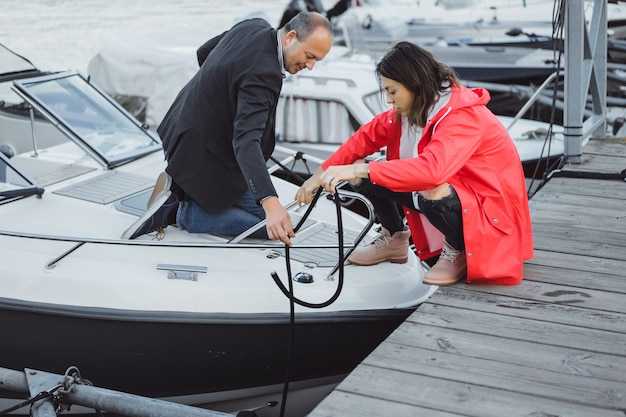
当船员重视稳定性、存储空间和座位灵活性时,选择皮划艇。双人或三人座型号可以将多个参与者聚集在一起,如果装备负载较高且跨组的视线很重要,那么选择独木舟会更具吸引力。.
立式桨板非常适合在平静水面上进行主题一日游,设置快速且学习曲线较短。双人桨板可以搭载两位桨手,并且仍有空间放置装备;有时在休息期间,会有人招呼第三位乘客登上较轻的板子,从而有机会轮换运动,并在水上运动环境中保持高昂的活力。.
特定条件驱动选择:风和水流(包括涌浪和阵风)会影响稳定性;皮划艇的循迹性好,可以切入涌浪,而立式桨板的容错率可能较低。在有坡道的码头上,皮划艇的进出更加顺畅,而在水面平静时,立式桨板可以从岸边快速部署。.
划桨机制有所不同:皮划艇划桨利用躯干旋转,双脚固定在束缚器中;桨板冲浪则依赖于更长的前划动作,同时保持宽大的屈膝姿势来吸收海浪;掌握扎实的技术可以避免疲劳。.
泡澡和游泳休息之后,检查装备;弯曲的桨或损坏的固定器会令人后悔。 务必扫描水下危险和漂流物,并与水上其他人保持安全距离。.
两种方案都能带来价值;保持最少的装备以减少开支。如果空间或天气变化,切换到备选方案;起源于简单的家庭活动,它变成了一个灵活的计划,可以容纳三到四名参与者。.
日落港巡游:摄影技巧和用餐地点
预订船头朝前的甲板座位,并提前15分钟办理登船手续,以确保水面上方光线无遮挡。这种设置能让剪影在金色天空的映衬下更加突出,是开启一场海岸线巡游的轻松方式。.
摄影基础:拍摄RAW格式,设置手动曝光,白平衡设置为阴天以获得暖色调,保持低ISO,光圈在f/8左右,快门1/125-1/200,使用连拍模式捕捉海浪。.
创意构图技巧:将主要元素放置在三分法则上,与静态视角不同,将帆船、渡轮和天际线与湿甲板上的倒影融为一体。优势在于分层构图,通常能赋予景深,使其在渐暗的水面上脱颖而出。请注意关键主体在三分网格上的位置。.
器材和经验级别:初学者可以从广角镜头入手,捕捉海港全景,然后转为使用长焦镜头来捕捉细节;在移动的船只上手持稳定性很重要。离岸灯光增加了纹理;如果水清的话,水下拍摄则在运动相机上安装防水壳。携带一些小型工具,如备用电池、镜头布和超细纤维布,以保持装备就绪。需要保持准备意味着要携带一个紧凑型防雨罩和一个用于夜间拍摄的头灯。.
行程和停靠点:两站计划效果很好:在港口入口处拍照留念,然后在码头边的餐厅用餐,餐厅有玻璃墙房间,可以捕捉到傍晚的阳光;也许可以在近海小岛附近抛第三个锚。.
餐饮选择:码头烧烤,供应新鲜捕获的海鲜、烤章鱼、柑橘酸橘汁腌鱼;河畔小酒馆,供应白葡萄酒品鉴套餐;菜单突出时令农产品。码头餐厅在日落时分越来越受欢迎,座位可俯瞰水面。.
健康与安全:拍摄间隙放松身心,保持水分,穿着防滑鞋,注意防晒;船员提供救生衣和安全简报。在甲板上进行轻微锻炼可使手臂在进行长时间曝光时保持稳定。需要阴凉的人可以选择船舱角落或防护遮阳篷。氛围保持运动友好,但这种体验仍然是轻松的。.
总结围绕学习、放松和创意探索展开,以满足他们的业余和娱乐抱负。该计划适应多个级别,提供从宽广的港口全景到紧凑、细节丰富的镜头的多种选择;离岸航线展现更广阔的调色板。.
船坞餐厅:7个场所,如何停靠,菜单亮点
日出时靠岸以尽量减少尾流,用倒缆固定船尾,系紧防撞钉,放下坚固的挡泥板,然后从侧翼上岸,船员随时准备协助。 这样的设置可以保持一切平稳,同时让客人们融入码头的节奏,在品尝开始前进行一次快速锻炼。.
海港市场码头 – 靠泊:从右舷接近,将首缆系于固定系缆柱上,然后从船尾引出一根倒缆;在客人通过船舷移动到等候的码头工人处时,保持绳索紧绷。菜单亮点:柠檬烤鲈鱼、茴香凉拌卷心菜、香草土豆;烤玉米;手工面包;以及精酿啤酒套餐。行程建议包括日出品鉴航行或与码头边的艺术相结合的社交日落搭配。无论您追求精致氛围还是休闲乐趣,这一站都能提供这种平衡。.
滨海湾社交俱乐部 – 靠泊:使用船尾倒缆,系于码头中央系缆柱,调整挡泥板,客人从舷边移至码头。菜单亮点:木烤辣椒青柠汁大虾、芒果牛油果沙拉、硬皮面包以及与之搭配的清爽白葡萄酒。口味至上;社交氛围随着午后鸡尾酒而升温,冒险菜品选择同样能吸引熟悉的味蕾。这样的设置充满乐趣,人潮涌动时,码头等待时间更短。.
日出湾甲板 - 靠泊方法:船头朝前靠泊,用短绳固定在系缆柱上,保持船中部挡泥板的浮力,然后经由船尾翼板登上码头。菜单亮点:柑橘釉三文鱼、烤芦笋、藜麦沙拉和屋顶鸡尾酒。行程选择包括与船员一起的黎明品鉴、上午漫步至附近的咖啡馆,然后扬帆返航。无论您渴望优雅还是休闲氛围,这里都适合您。.
海景码头厨房 – 靠泊提示:缓慢靠近,使用船尾倒缆,固定船尾缆绳,确保挡泥板与船体对齐。菜单亮点:香煎扇贝、蒜蓉黄油土豆、柠檬绿叶菜和当地柑橘冰沙。在码头小屋的高级座位提供私密的奢华感;餐后,在码头周围进行短暂的社交巡游,增加乐趣。利用平静的风,缩短转弯时间,并精确处理绳索可以减少等待时间,一切都会保持顺畅。.
翼与浪船坞餐厅 – 靠岸流程:从右舷侧驶入,抛下缆绳固定在系缆柱上,然后拉一根尾缆到船尾;挡泥板的位置要保持漂浮。菜单亮点:烤龙虾尾,玉米浓汤,西葫芦丝,以及冰镇桃红葡萄酒。美味激发食欲;这里的熏酱和柑橘风味适合喜欢冒险的味蕾。日落时分,海浪创造出自然的节奏,社交氛围达到高潮。借助侧翼边缘,客人们可以轻松上岸,空间宽敞,这样的空间也让心情保持愉悦。.
探险者湾小馆——靠岸方式:使用右舷系缆至浮动码头,保持缆绳紧绷,根据风力调整,宾客在向导的带领下从船翼离开。菜单亮点:味增烤剑鱼、茴香沙拉、芝麻米饭和杨桃甜点。富有冒险精神的顾客欣赏当日特色捕捞和大胆的风味;晚餐后在海湾划桨增添了一丝神秘感。这里的一切都满足了对冒险的渴望,根据人群情况,步行或乘坐班车到停车场的路程较短。.
海港之光甲板与巡游 - 停靠:保持船头与码头对齐,用首缆和倒缆固定,放置充足挡泥板;客人经由侧翼移动到迎接客人的舷梯。菜单亮点:柑橘辣椒金枪鱼波奇饭、海盐薯条、微型蔬菜和清爽莫吉托。餐后,短途巡游的社交派对成为中心;这里的体验涵盖不同能量级别,从私密角落到露天甲板。附近的码头提供便利,而充满冒险精神的人们则追逐日出或夜间水上氛围。这里的一切都体现着品味、冒险和社交活力。.
夏季水上活动打包和安全须知
从一个紧凑的安全工具包开始,并在出发前检查装备。包括适合每位乘客的救生衣、口哨、防水地图、防水袋、抛绳和一个基本的急救箱。打包只需几分钟。将所有物品放在空旷处触手可及的地方,并确保有一个备用桨以便快速更换。穿着方面,合脚的防滑水鞋是保护双脚和提高稳定性的完美选择。.
装备选择至关重要:救生衣的尺寸必须合适;儿童应穿着贴身的PFD,并坐在稳定的区域。在闲置时,应有一名成人坐在船头附近进行监督。在船员附近放置备用灯和防水袋。合适的保护措施可以降低浪涛汹涌时的风险。.
天气检查:预报、风力和水温。日出后温度迅速升高,因此请计划短暂休息并在阴凉处停留。经常补充水分,涂抹防晒霜,并携带一顶轻便的帽子以减少眩光。了解开放水域有助于您在情况变化之前调整航向。短暂的轻度锻炼休息可以保持耐力。.
水上装备因运动而异:皮划艇需要直桨;无绳冲浪使用鳍和板绳;骑手留在划定区域内。当骑手说出新技巧时,请保持演示简短且安全;结果是令人兴奋的,因为时间线与更大的尾浪一致。只有在完全控制后才能尝试跳跃;否则避免。从慢速开始的创意练习,有益于初学者和高级参与者,使动作更容易。实时条件可能会发生变化,所以始终监测地点并进行调整。.
开放水域安全和水下意识:注意锚地和礁石附近的水下危险,并与其他船只保持安全距离。返回后,用淡水冲洗装备,彻底晾干,并存放于避免阳光直射的地方。检查绳索、脚蹼、桨和救生衣;现在开始维护可以确保装备在下次出游时保持可靠。.