


 简体中文
简体中文  English (UK)
  Русский
  العربية
  日本語
日本語  한국어
한국어  Magyar
  Türkçe
  Español
  Čeština
  Svenska
  Português
  Ελληνικά
  Suomi
Suomi  Nederlands
  Română
  Italiano
  Français
  Polski
  Українська
  Deutsch
  Slovenčina
 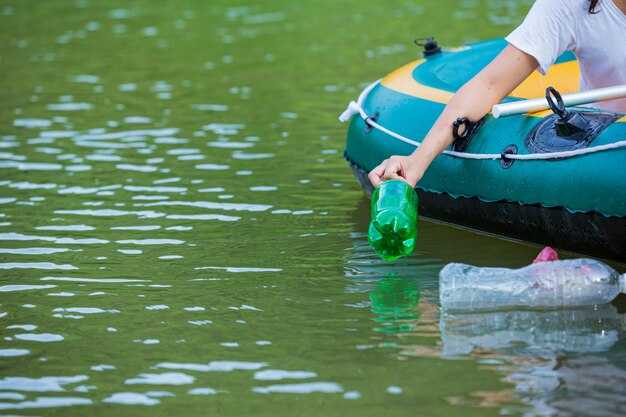 10 Green Practices for Recreational Boaters – Eco-Friendly Tips">

Start with a labeled bins setup and a regular hand cleaners routine that minimizes bilge contamination here.
Whether you cruise or anchor, set a simple program that trims speeds to 3–5 knots in nearshore zones to cut wake and fuel use; this possible approach helps readers compare results from each outing and decide what to adopt next, reliably here.
During docking or anchoring, use a bilge-safe cleaning protocol with a small supply of biodegradable cleaners; on alumacraft hulls, rinse gear after use and store in a separate locker to protect the surface and the water.
Document outcomes in a simple journal–the regular entries serve marketing evidence that eco-minded actions work; share results with readers and themselves across social posts, whether you use alumacraft or other hulls, and encourage others to join.
Adopt the program as a regular habit, and the crew themselves will see protection of water resources improve overall, with bins refilled, anchors set with minimal bottom disturbance, and the ethos of sailing responsibly spreading among readers and the marketing network alike.
Practical Guidelines for Eco-Conscious Boating
Bring a sealable waste bag and a separate organics bag on every cruise; onboard waste separation makes disposal at dock facilities easy and cuts litter entering waterways.
Member crew should ensure all trash goes into the correct container and is removed at the dock; posted signs near the deck reinforce safeguarding wildlife and keeping the body of water clean, and crew take pride in maintaining a healthy harbor.
Keep noise down during cruising near sensitive habitats; taking a steady course in coastal zones reduces stress on wildlife and makes a smoother ride.
Easy steps to minimize fuel use include planning routes ahead, avoiding long idling at the dock, trimming the hull, and cruise at a steady RPM with lighter gear onboard, especially in rough seas.
Also, posted on the cabin door is a simple onboard checklist: use biodegradable cleaners, wash in permitted areas, and dispose organics only at approved facilities.
Deck storage matters: stow gear in lockers, keep deck clear, inspect spills, and avoid discharging bilge near wildlife; regular checks reduce risks.
Engage with local stewards at the dock; as said by many stewards, observations about wildlife, tide data, and water quality should be shared; this builds a body of knowledge that benefits waterways and coastal stewards.
Take photos responsibly while floating, enjoy themselves, and also respect posted speed limits and quiet zones; use a long lens if possible, stay at a safe distance, and never chase wildlife.
Choose reef-safe sunscreen and limit chemical runoff near water
Apply zinc oxide or titanium dioxide sunscreen; select reef-safe formulas that exclude oxybenzone and octinoxate, and opt for non-nano particles to limit micro-particle release into habitats. Data from coastal monitors shows sunscreen residues reach coral reefs and seagrass beds after hours aboard vessels, accumulating across seasons and years. This remains a concern during peak season.
Limit runoff by applying sunscreen before boarding, staying out of water for a brief period after application, wearing sun-protective clothing, and using reef-safe wipes. Carry a compact kit including reef-safe sunscreen, biodegradable cleaners, and microfiber socks for dry protection when moving around on deck panels. Also, rinse tools at a designated outlet away from habitats to prevent shear.
On boats, life aboard depends on simple choices. American fleet member crews report lower water contamination when members apply reef-safe products, wear protective garments, and clean decks with biodegradable cleaners. Those steps ensure sustainable exploration, making life aboard feasible and keeping habitats healthy back near shore. Vessels themselves take pride, and crews themselves see themselves as stewards of reefs and corals. Riding the swells, crews stay mindful of chemical footprints.
Next data cycle will quantify impact on habitats near popular diving season stops. Data about reef recovery will influence marketing choices and training within the fleet. Those observations, combined with coatings on hulls and deck panels, keep vessels sustainable while supporting life beneath the waves. Members and crews making small adjustments reinforce American standards and show commitment.
Pack reusable gear to cut single-use plastics on board
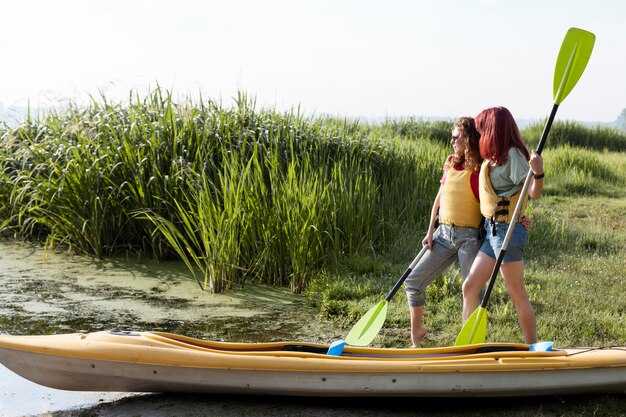
打包一个紧凑、可重复使用的工具包:两个 1 升不锈钢瓶,一套金属餐具,硅胶盖,蜂蜡保鲜膜,以及两个布袋,以替换今天船上的消耗品。这种更清洁、更安全的设置可减少对健康的影响,降低港口中的塑料含量,并通过减少浪费来促进经济发展。当周末住宿时间延长时,该工具包可让基本装备随时可用,并减少携带额外消耗品的需求,尤其是在罗切斯特港。它可以成为整个船队的榜样。.
规划这个套件应该注重实用性。带上一份规划清单,上面有清晰的区域:方便取放的存储,防止溢出的简易密封,以及存放湿装备的防水袋。为你的船员选择合适的瓶子和袋子类型;至少两个瓶子可以满足大多数需求。稳定的安排可以最大限度地减少不必要的物品,支持甲板上的健康,并使巡航更加平静,即使是在阳光下。.
在港口规划中,怠速引擎是主要的健康因素。保持甲板清洁安全,减少浪费;紧固松动物品;及时擦拭溢出物。携带耐盐的基本涂层或容器,并将其储存在远离阳光的干燥袋中。在盐分侵蚀的地方,涂层会退化;选择耐用、可清洗的选项。这种有纪律的方法将成为每次航行的可持续实践。.
| Item | Why it matters | 说明 |
|---|---|---|
| 两瓶 1 升装 | 无需一次性用品的补水方式 | 不锈钢还是不含 BPA 的塑料 |
| 金属餐具套装 | 取消塑料叉/勺 | 存放于涂蜡袋中 |
| 蜂蜡保鲜膜 | 包裹食物,替代保鲜膜 | 可洗涤;风干 |
| 硅胶盖 | 盖住杯子和碗 | 扁平,可堆叠 |
| 布袋 | 运送食品杂货和装备 | 如果需要,可防水 |
| Dry bag | 保护装备免受潮湿 | 5–10 升 适用 |
| 小毛巾 | 手工清理;溢出控制 | 超细纤维 |
请常备此清单,并根据航程长度调整物品数量。周末航程通常两个瓶子和两个袋子就足够了;较长的旅程可能需要额外的袋子和一个备用盖子。.
防止燃油溢出:使用正确的加油程序并备好溢漏处理工具箱
Always 在发动机关闭、电气隔离且船只接地的情况下加油。在打开油箱之前,将接地带连接到坚固的金属配件上,并连接到泵以消除静电。.
在码头或游艇码头选择一个指定的区域,该区域应平坦、有硬质地面、并且远离沙子和排水沟。缓慢地将船移动到位,将缆绳固定在系缆柱上,并确保浮筒或甲板调平装置在喷嘴与加注口接合时保持稳定。.
使用受控的、逐渐的填充方式,避免加满。留出膨胀空间,并监控管线和排气;如果看到任何滴漏或回流,关闭喷嘴。保持喷嘴手稳,并让你的工作人员保持安全距离,以减少接近和关闭过程中的噪音和干扰。.
请在此处伸手可及的地方放置溢漏应急包,包括吸附棉袜、吸附垫和废弃物处理袋。如果将此应急包带到加油垫上,请将其放置在加油口下坡处,以便收集滴漏,防止流入沿海土壤或水体,同时清理甲板上的任何痕迹。.
如果发生溢漏,立即停止加油,用吸油棉和吸油垫围堵,并吸干表面。将受污染的材料转移到已贴标签的袋子中,并按照当地法规进行处理。在沙地或岩石滑坡上围堵可以减少燃料迁移到水中的可能性,从而保护宝贵资源,并最大限度地减少对野生动物和水质的影响。.
这种方法为船东和船员提供了一个展示责任感的宝贵机会。它符合向更安全码头转变的趋势,并提供了一个清晰、实用的例行程序,可供美国城市码头运营部门采用,改善靠泊加油站的启动程序,并支持每次航行的清洁运营,无论您是航海、运营公园浮桥,还是航行于沿海航线。.
记录环境观测数据,为公民科学项目做贡献
开始创建一份精简日志,它将成为一份有价值的档案,为研究人员和合作伙伴提供支持。创建一个简单的字段列表进行收集,然后在每次旅行中填写:日期、时间、港口或GPS坐标、海况粗糙度、风速和风向、日照水平、空气和水温、能见度,以及关于野生动物或栖息地线索的注释。包括人为影响,如垃圾、落水物品、在沙地上抛锚、在敏感区域附近怠速和刹车。使用清晰的文件名和安全存储,以便日后轻松共享条目;这种方法汇集了所有观察员的信息,并展示了沿海条件如何演变,而不仅仅是单一的注释。.
- 每次出行需记录的数据项:日期、时间、港口或坐标、海况粗糙度、风速/风向、日照程度、气温和水温、能见度以及野生动物或栖息地线索。保持列表简洁一致;此列表有助于进行可靠的比较,并帮助作品集随着航行次数的增加而不断充实。.
- 影响和行为记录:记录在沙地或海草上的抛锚情况,使用对珊瑚礁安全的装备,任何抛入海中的物品,在野生动物和栖息地附近待速或制动,以及直接影响。这显示了行动如何影响生态系统,并有助于保障和负责任的划船行为;当多个观察者聚集在一起时,它可能比传闻轶事更有价值。.
- 证据和记录:用时间戳记录照片位置;将图像存储在作品集中;添加将视觉效果与数据字段相关联的说明文字。用简单的标签注明图像来源,并确保原始文件安全;如果使用Getty风格的说明文字格式,请保持准确性,避免涉及敏感细节。.
- 质量与共享:评估每个条目的置信度级别(高/中/低);邀请合作伙伴审查笔记并统一术语;在每次航行结束时分享一份包含主要发现的简明摘要,以使每个人保持一致并积极参与。.
- 季节性模式与观察:七月和夏季通常带来清澈的水域或明显的藻类信号;记录阳光、温度和水体透明度在不同天和不同行程中的变化。包含诸如附近道路通行情况、港口活动以及野生动物出没变化等背景信息,以帮助解读数据并共同构建更丰富的故事。.
- 提交工作流程:将条目提交给当地合作伙伴、码头协调员或公园管理员;如果存在平台,则以 CSV 或结构化笔记格式化数据;确保数据安全并控制访问,以保护敏感地点并避免滥用。.
保持流程紧凑:海水操作后冲洗设备,确保每条记录保持一致的语气,并保持一定程度的准确性,以增强整体影响。这种结构化的方法产生有价值、可操作的记录,有助于保护工作并为社区决策提供信息。.
通过管理尾流、垃圾和野生动物互动来保护野生动物和海岸线

在靠近岸边时怠速行驶,并在距陆地150米范围内的无浪区保持低速航行;此举能够减少海岸线侵蚀并减少对野生动物和巢穴的干扰。如果必须经过敏感地点,请快速怠速行驶并尽量缩短发动机运转时间;这种做法可以降低附近鸟类和鱼类的噪音和压力,而对环境负责的选择则有助于长期栖息地的维护。.
将所有垃圾用密封袋装好,用罐子或可锁的垃圾箱装载废物,离开码头时将其绑在栏杆上,以防任何东西溢出到水中。在较长的航行中,携带轻型笼子存放装备,并将废物放在专用容器中;使用太阳能电池板为最少的系统供电,并避免不必要的发动机运转。不要留下破损的袋子或松散的物品随水漂流;如果疏于照料,大量的袋子会迅速积累,并且影响会随着在水上的天数而增加。.
保持与野生动物互动的简短和尊重:不要喂食野生动物,保持距离,避免在陆地或水中追逐。如果遇到敏感物种,请降低速度,切换到静音操作,并在安全距离外拍照观察。如果野生动物靠近,请迅速脱离接触并留出空间;几乎所有物种都对人群敏感,过度的噪音会扰乱它们的日常活动,并将一些物种推到码头或营地附近的危险区域。.
与船员和主持人一起规划,并在整个社团内分担职责,可以确保家乡水域更安全。每次出行前实施一份简短的清单,张贴场地规则和发动机关闭的时间;维护码头运营,包括装载期间穿着救生衣和防护装备。此举可在无数个日日夜夜和度假中提高对野生动物和海岸线的保护,并为社区内的其他人树立榜样。.