


 简体中文
简体中文  English (UK)
  Русский
  العربية
  日本語
日本語  한국어
한국어  Magyar
  Türkçe
  Español
  Čeština
  Svenska
  Português
  Ελληνικά
  Suomi
Suomi  Nederlands
  Română
  Italiano
  Français
  Polski
  Українська
  Deutsch
  Slovenčina
 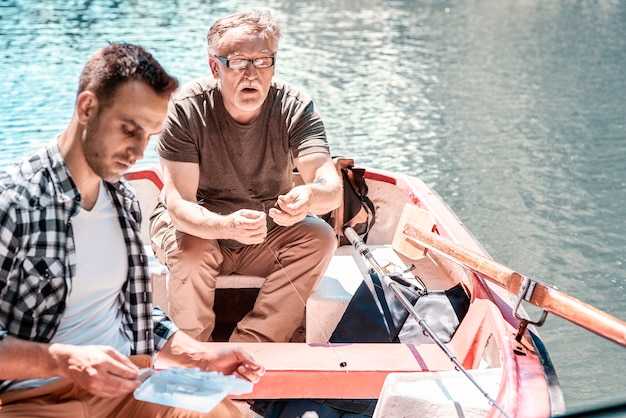 10 Essential First-Time Boating Tips for New Boaters">

Always wear a U.S. Coast Guard–approved life jacket the moment you move aboard a vessel, and keep it fastened until ashore. This simple rule reduces drowning risk and sets a reliable baseline for days on the water.
Plan with a simple set of steps: check weather with trusted guides, inspect safety gear, and file a basic float plan so someone ashore knows your move and expected cruise. This approach applies especially to days with shifting wind or rising chop, and it helps prevent delays.
Avoid alcohol while operating and keep habits sober while on deck; keep drinks on shore and hydrate instead. Those choices reduce risk and improve reaction time during docking and maneuvering, improving overall enjoyment.
Set aside time to gain experience through low-risk moves: start with calm-water docking practice, then try a kayaking session or a short voyage. If you’re buying gear, pick a compact starter kit that covers PFDs, a whistle, and a throwable. This approach applies to those who are easing into the watercraft world. Those choices usually deliver confidence and improved enjoyment on subsequent outings.
Learn the basics of communication: know your radio channel, keep the battery charged, and test the speaker before departure; establish a simple watch routine so someone on shore is always aware of your position. Clear comms prevent misreads and add to the overall enjoyment of each trip.
Review your must-have equipment during buying planning so you do not skimp on safety basics: spare parts, a signaling device, a whistle, a flashlight, and a map or digital guide you can watch for areas of interest. This preparation makes every cruise more predictable and enjoyable.
Top 10 First-Time Boating Tips for New Boaters; Keep a Log
1. Start a comprehensive log immediately Make notes on planning, time, weather, wind, tide, and water conditions. The log itself becomes a reference you grab before each voyage, a practice that travels with you. Include warnings from instructors or lifeguards; werent ignored, they become lessons to study. Sailors often rely on this history to build endurance and stay prepared; escondido harbors provide useful context toward upcoming routes.
2. Dress comfy and pack essentials Choose comfy, breathable layers, non-slip shoes, sunglasses, sunscreen. Keep a compact kit on deck with water, a small flashlight, and a spare hat. Comfortable attire reduces fatigue and supports quicker decisions; the essentials stay within grab reach, so youre not scrambling when conditions shift.
3. Verify safety gear and training support Inspect life jackets for proper fit and visibility; check a signaling whistle and a throwable throw bag. Confirm a VHF radio or other means of communication works, and review response plans with instructors or experienced crew. Lifeguards nearby provide warnings you can translate into practical steps; this process builds confidence.
4. Practice with an experienced instructor Start in calm water, focus on basic control, stopping, turning, and docking. Use simple, repeatable drills to turn lessons into habits; if youre unsure about a move, pause, grab a note, and discuss with the instructor. The aim is steady, safe handling and awareness for the entire crew.
5. Plan routes close to shore and within sight Begin with short trips near land, where you can see shore and respond quickly to changes. Map a simple route, set time estimates, and stay within safe margins. This planning keeps sailors focused on basics while you build endurance.
6. Check forecasts and warnings ahead of each outing Review wind, waves, tide, and alerts; winter conditions demand extra layers and reduced speed. Close attention to forecasts helps you avoid surprises and trains you to read water cues; escondido forecasts can differ from general predictions.
7. Communicate clearly using the right means Use hand signals, a VHF radio, or whistle to keep team aligned. Confirm decisions with the crew and your instructor; this work reduces wrong moves and keeps you safe when conditions shift. youre learning to manage risk with every exchange.
8. Build endurance through gradual practice Increase session length and complexity slowly; rest between drills; staying hydrated matters. This approach helps sailors stay comfy and being alert during longer sessions, and it turns lessons into solid skills that last over time.
9. Grab a quick check of hull, engine, and fuel Do a 60-second walk-around before starting: check bilge, propeller, fuel level, and cooling water. Spotting a small leak or a clog can prevent bigger trouble; if something seems wrong, pause, log it, and address it with an instructor. This habit supports planning and safety as you progress toward independence.
10. Debrief with instructors and keep refining needs After each trip, compare notes with the team; capture what went right, what could improve, and which lessons are featured as part of your next outing. This loop builds confidence, guides ongoing planning time, and ensures you stay aligned with your needs as a sailor.
Practical guidelines and a simple log plan
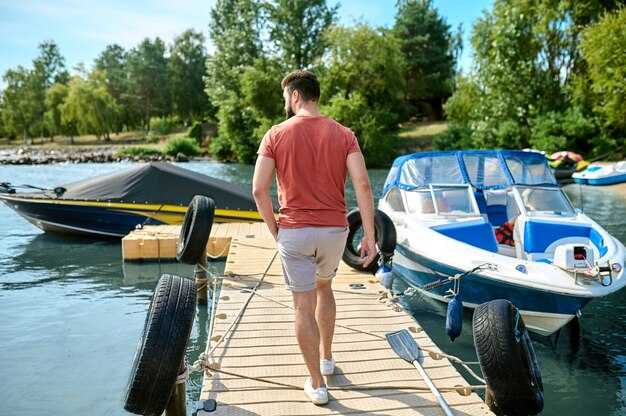
Begin with a direct action: run a tight pre‑departure checklist–system status, battery charge, fuel level, PFDs in reach, fenders ready, lines coiled, anchor accessible, bottom secured. Never skip this check; you must complete the checklist.
During operation, stay alert to currents and surroundings. Hear warnings from weather apps, coast radio, or crew; they guide decisions direct, especially in spots where swimmers are active or other craft cross paths. Keep an eye on nearby sports and active zones to avoid surprises.
Getting used to the rhythm of tides and currents takes years of hands-on learning. Getting more experience across hours yields a million tiny cues that inform every part of the move. Fully engage with the environment, including the surroundings and wind shifts, to improve safety and efficiency.
Log plan basics: capture date and time, location, conditions, currents, wind, and visibility; spell out course and speed; record actions taken and any alerts. This routine is helpful during busy hours and in spots with changing conditions, and it helps you build a practical history you can reuse on future activities.
| Date | Time | 地点 | Conditions | Currents | Wind | Visibility | Course/Speed | Actions Taken | Observations | Fenders | Anchor | Hours | Alerts |
|---|---|---|---|---|---|---|---|---|---|---|---|---|---|
| 2025-12-17 | 08:15 | Cove North | Calm | NW 1 kn | 5 kn N | Good | 90° / 6 kn | All systems green; fenders out | Light chop; birds overhead | Out | Stowed | 0.5 | None |
| 2025-12-17 | 12:30 | River Entrance | Moderate | S 2.5 kn | 8 kn W | Moderate | 180° / 5 kn | Avoid traffic; increased alert | Waves building | In | Not deployed | 2.0 | Radar warning |
Pre-Launch Safety Checklist
Verify weather window and barometer readings before launch. A reliable forecast makes risk management clearer; ensure wind, seas, and visibility align with your plan. If conditions exceed limits, delay until they improve.
Lifesaving equipment inspected to verify wear, labeling, and proper condition: PPE in correct sizes; throwable devices accessible; fire extinguisher charged; signaling devices within reach. Having a well-organized inventory reduces search time and builds confidence onboard.
There must be no signs of delamination, corrosion, or leaks; inspect hull bottom and deck for damage; tighten clamps and verify through-hull fittings are secure. Known issues require immediate attention; proceed only when intact.
Start and test propulsion and steering: start the engine, verify throttle response, and confirm steering returns smoothly; listen for grinding or unusual noises; check gauges show normal readings.
Secure lines and anchor setup: tying lines to cleats with proper knots; verify anchor rode length and scope appropriate to conditions; ensure the anchor is rigged and ready to deploy if needed.
Weight distribution: arrange passengers and gear to maintain trim; a low center of gravity reduces dangerous listing; keep heavier items low and amidships. Maintain even distribution to minimize roll and pitch.
Electrical and fuel safety: inspect battery condition; ensure posts clean and cables secure; confirm fuel lines and fittings show no signs of leaks; caps tight; keep vents clear and batteries dry.
Navigation and hazard awareness: review known hazards along planned route; check depth sounder and chart, and set a conservative speed to reduce wake. Preparation accounts for dangers that arise in congested channels or near docks.
Emergency planning and communication: designate roles; rehearse a lifesaving drill; ensure every participant knows the meeting place and actions if someone goes overboard; keep a simple plan laminated and accessible; confirm a reliable channel of contact if a problem arises.
Documentation and readiness: carry registration, proof of insurance, and emergency numbers; keep copies on board in a waterproof pouch; ensure items are fully done and up to date. Trust your training and keep the distribution of responsibilities clear to all crew; youre capable of handling the first moments after launch.
Wear Proper Life Jackets and Check Fit
Put every passenger in a properly sized life jacket before engine start; buckle straps and snug the torso.
Fit check: tighten all straps; the jacket should stay secure with a finger-width clearance under the chin and a snug fit around the torso.
Choose foam or inflatable models; inflatable options add lighter weight while foam maintains buoyancy under rough conditions; inflatable doesnt substitute supervision.
Children require sized gear and close supervision; if a child moves, ensure jacket remains secure; avoid loose jackets that can slip off in waves.
A statistic from safety groups shows most drownings occur when life jackets are not worn; if trouble comes, stay calm and review the plan before acting, underscoring the need to plan ahead before leaving dock.
Etiquette on deck calls for every passenger to stay in a vest during moving, especially children near running wake or when waves rise, really reducing risk.
Where jackets are stored matters: keep available options in accessible bins near exits, enabling faster grabs during sudden surges.
olympic plan informs selection: pick jackets with simple fasteners, clear inflation status, and easy read labels to guide use in a panic.
Added checks: test inflatable buoyancy in shallow water with an adult observer to confirm device performs as intended, avoiding issues during real waves.
youre aware of responsibilities; youre helping children learn safe etiquette, read manuals, and take action when danger comes, reduce thirst for speed with sensible planning.
Check for something loose during a final walk-through; fix before departure.
Inspect Boat, Fuel, and Equipment Before Departure
Take 15 minutes to complete a practical three-part check that covers hull and running gear, fuel system, and safety gear before launch.
- Bottom, hull, and trim: inspect the bottom for damage, cracks, or signs of delamination; look for loose fasteners around cleats and rails; verify the transom is solid and not flexing. Test trimming controls and trim tabs for smooth action and even response, and secure any gear so nothing can shift during underway.
- Fuel, lines, and supplementary power: confirm fuel level supports every planned journey or hours of operation with reserve; inspect hoses and clamps for cracks or leaks, and replace any aged components. Drain a small sample from the tank to check for water or sediment. Ensure venting is clear and no vapors are near ignition sources; refuel ashore in a well-ventilated area and wipe spills promptly.
- Engine start, running gear, and gauges: check oil level and coolant level; verify battery voltage is healthy and connections are clean. Start the engine and listen for abnormal noises or rough idle for a few minutes; verify gauges read normal (oil pressure, temperature, charging). Check steering for smooth feel and no excessive play; test propulsion in forward and reverse to confirm transmission and prop are running true.
- Safety equipment and crew readiness: ensure guard-approved PFDs are accessible and in good condition for every passenger; have a properly charged fire extinguisher, throwable flotation device, and a first-aid kit on board. Verify signaling devices are current and within reach, and that a working bilge pump and audible horn are installed. Inspect anchor, line, and fenders; locate equipment where it’s easy to reach if someone enters the water after swimming or needs assistance. Confirm the kill switch is functional and that someone ashore knows the plan in case of trouble.
- Logistics and housekeeping: outline a quick plan for the trip, including weather checks, notating planned destinations and escape routes. polled crew opinions–they often note little details that improve confidence. Keep hardware and spare parts on hand for common problems (types of seals, fuses, bulbs, clamps). Make sure nothing on deck can snag, and secure loose items so nothing shifts once you’re underway; store valuables in dry, ashore-safe places to prevent loss or damage.
If any item shows a concern, postpone launching. True safety comes from addressing the problem now, not after you take the first splash of the run. Family plans and confidence rise when you know where everything lives and how it functions, so revisit this checklist before every voyage and adjust for the specifics of your boat and route.
Study Weather, Tides, and Local Navigation Rules
Always check the latest forecast, wind outlook, and tide tables before you depart from the dock. Document march plans if you expect adventures on the water, and those days should look calm enough to feel perfect. Pack water to drink and wearing a PFD in all conditions from dock to departure; that care reduces risk.
Weather can shift quickly: sudden gusts, swells, and a drop in visibility. Analyze factors such as wind, current, air temperature, and sea state; looking at the forecast helps you choose a safer route. Typically, if conditions worsen, reduce speed, head to sheltered water, and adjust plan.
Understand tide cycles to anticipate current strength, back-eddies, and safe passages between shoals. Learn local navigation rules and signage; ask questions to harbor staff if anything is unclear. When handling inflatable craft, use gentle technique near docks, and tying lines with a solid knot. In hawaii waters, currents between reefs can be likely strong at certain tides; plan routes with a margin of safety.
Local rules require life jackets to be worn whenever on deck; verify the vessel registration, float plan, and signaling devices. When approaching the dock, enter slowly, maintain light throttle, and watch those aboard. Watersports activity nearby demands extra attention to distance and speed; show courtesy by giving wide berth to swimmers, paddleboarders, and others. Those factors to consider when planning your approach can determine whether you go fast or take a longer, safer path around the harbor mouth.
Carry a compact safety kit, a charged radio, a first-aid kit, and spare energy snacks. Keep a quick health check, hydrate, and rest when needed; adjust plans if fatigue or heat risk rises. After the session, dry gear, inspect lines, and store equipment properly; this habit reduces wear and helps you look toward next outing.
Maintain a Clear Log After Each Trip
Record trip details in a dedicated log immediately after returning to the dock; built-in habit ensures youve captured what matters, helping you master the basics and become a better boater.
Your log should emphasize awareness and accountability; if youre on your own, attention to every item helps keep your boat safe and ready, and it will become your main reference.
Fields include: date, location (dock or marina), start time, end time, weather, wind, sea state, visibility, traffic, hull status, fuel at start and end, engine hours, and gear check results.
Docking notes should be explicit: note approach method, lines used, whether the hull remained upright, and any contact or scuffs; mark items done or to be addressed.
How to capture:
- Use built-in templates on a waterproof notebook or app; consistency reduces misses.
- Record actions youve completed, including repairs, replacements, or refuels; mention them clearly to avoid confusion later on.
- Notes on equipment safety: PFDs, throwable device, fire extinguisher, spare gear; verify each item is present and not expired.
- Share the log with everyone on board, especially crew; attention to details improves safety and planning next legs.
- Keep extra notes on items that require follow-up; this prevents items from being skimmed and left behind.
This habit ensures theyyll be easy to reference during dockside checks and future legs.
Sample entry template:
- Date: 2025-12-17; Trip: Lake Vista; Dock: Dock A; Start: 08:12; End: 12:44.
- Weather: W 8 mph, clear; Sea state: calm; Visibility: good.
- Fuel start: 60%; end: 28%; Engine hours: 3.2; Oil: clean; Battery: 12.6V.
- Docking notes: lines used: bow spring; hull upright; no contact; fenders in place.
- Safety: PFDs on board, fire extinguisher present, swimming ladder secure.
- Notes: Minor gelcoat scratch starboard bow; plan repair; use extra care during docking.