


 English (UK)
  Русский
  العربية
  日本語
日本語  한국어
한국어  Magyar
  Türkçe
  Español
  Čeština
  Svenska
  Português
  Ελληνικά
  Suomi
Suomi  Nederlands
  Română
  Italiano
  Français
  Polski
  Українська
  Deutsch
  简体中文
简体中文  Slovenčina

Go to Nice for a beach-first day, then hop high-speed trains to Antibes or Monaco; this route keeps you at the border between lively streets and open sea and works well in july when the water warms.
Choose eco-friendly options: public ferries between the Iles de Lérins, bike paths along the boulevard promenades, and trains that cut travel time between coastal towns. For tasting experiences, plan stops in Villefranche-sur-Mer and Bandol wine region.
Let guides map the coves along Cap-Ferrat and the vibe of each town, from Cannes’ chic beaches to Saint-Tropez’s harbor; a full itinerary balances glam and old-town charm. In Monte Carlo, the casino lights up after dark and the boulevard strolls add to the atmosphere; some museums offer required advance tickets, so read ahead.
The coastline runs about 250 kilometers long, inviting you to explore beaches, coves and cliff paths. Use read guides for local tips, and rely on public transport to keep movement easy.
Antibes: Practical Highlights and How-To Guides
Reserve bookings for a dawn stroll along the town walls and Port Vauban marina; the calm light defines Antibes’ first impression and makes photography very rewarding.
Visiting Vieil Antibes means wandering dotted lanes, stopping at markets, quayside cafés, and small galleries; carry a little cash for local vendors.
Stay in a hotel near the harbor to minimize walking; options range from 3- to 5-star properties, many offering early check-in and flexible bookings.
The Picasso Museum sits in Château Grimaldi; plan a 2–3 hour visit and buy tickets online to avoid queues, because busy days fill quickly.
Sainte-agnes, perched above the coast, rewards visitors with sweeping views and cool breezes; reach it by car or bus, and go early to beat heat and crowds.
Take a ferry to the Îles de Lérins for a peaceful escape; ferries run frequently from Cannes or Golfe-Juan; on Saint-Honorat you’ll find quiet trails and a historic abbey.
For a practical daily plan, inventory the musts: Vieil Antibes markets, the Port Vauban area, the Picasso-wrought museum, and a pebbled beach stop; spending varies, but seafood lunches are wonderful and good value when you travel in season.
Getting around works best with trains and frequent buses; travelers appreciate a walkable center and car-free mornings; through guides you can tailor routes to fitness and interests.
Local tours and a steady rhythm define life here; a small travel company can arrange a private boat peek along the coast and flexible bookings, so you always have options for weather or mood.
Old Town Antibes walking route: sights in 2–3 hours
Begin at the Picasso Museum in the Château Grimaldi, which you’re going to love for its intimate rooms and sea views. Budget about 60 minutes here to enjoy the highlights, the sculpture garden, and the town’s history echoed in every corner.
From there, wander the narrow lanes toward the Provencal Market. This favorites stop includes olives, cheeses, honey, and lavender products. Give it 20–25 minutes to browse, sample a bite, and soak up the lively rhythm of daily travel in the old town.
Next, step into the Cathedral Notre-Dame de l’Assomption, a compact treasure from the late medieval period. The interior reveals carved choir stalls and quiet side chapels, worth 10–15 minutes of thoughtful time and a few photos above the square.
Stroll the ramparts to Bastion Saint-André for a sweeping view over the red-tiled roofs and the harbor. The overlook above the city walls provides a lovely perspective on how history and the sea shape this seaside city.
Head toward the harbor and Port Vauban, where a line of vessels lines the quay. You’ll spot motorboats alongside luxury yachts, a vivid reminder of Antibes as a hub for chartering and Mediterranean luxury. Spend 10–15 minutes watching the activity and listening to the creak of masts in the breeze.
Finish the loop at Place Nationale, where the 17th-century town hall and surrounding arcades offer a quick pulse of local life. A 5–10 minute pause here lets you photograph the fountain and the colorful façades, then you can retrace your steps or move on to a nearby café for a final overview of the beloved old town.
Advance planning helps you tailor the pace: groups often love a slightly slower tempo to savor details, while solo travelers might speed through certain spots to save time for coffee or shopping. This route is designed for most walkers, keeps a steady line along shaded lanes, and highlights what makes Antibes unique, from history to daily markets to the storied harbor. If you’re visiting during festivals or peak travel season, you’ll find the pace adjusts naturally, with more photo stops and conversations with locals along the way. With visiting friends or family in tow, this stroll becomes a compact exploration that protecting this lovely corner of the Côte d’Azur remains a shared joy, no matter your travel style.
Picasso Museum visit: best times, tickets, and budget tips
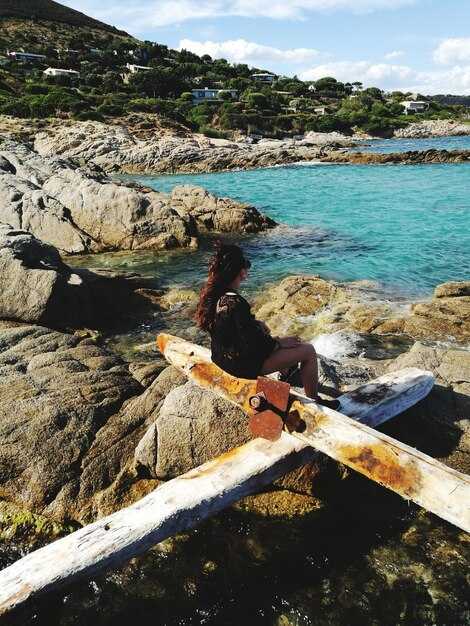
Book for 10:00 and walk from downtown along these lovely streets to the museum, then enjoy the views of the riviera from the galleries and terrace. An early start keeps the crowds at bay and leaves room for a relaxed afternoon in the French country towns nearby.
These times work best: visit in the morning from 10:00 to 12:00, or return after 15:00 when crowds thin and the light remains pleasant for photos along the private courtyards and harbour views. In peak season, a short afternoon break is convenient before a riverside dinner in town.
Tickets open a smooth experience when you book online in advance. The museum offers a well-equipped process for entry, with a straightforward turnstile and a verifiable QR code on your device. Bring a card or ID for any reductions, and set aside an hour to wander the core galleries without rushing.
Budget-minded travelers can combine a steady plan with smart choices: pair a morning museum visit with a free or low-key stroll through the glamorous streets, then pick a casual dining option in downtown to keep costs reasonable. If you crave luxury once the day winds down, reserve a private corner at a nearby bistro for a classy dinner, but keep the meal plan flexible to fit better deals and seasonal menus.
| Ticket type | Price (EUR) | Notes |
|---|---|---|
| Standard | 12 | Access to permanent and current exhibitions; online booking recommended |
| Reduced | 9 | For 18–25 with ID, seniors 65+, and eligible categories |
| Free | 0 | Under 18; ID required |
| Booking | – | Online slots secure entry; check for seasonal changes |
Marina and Fort Carrée: sunset photography spots and accessible viewpoints
Start at the Marina promenade for crystal-clear light that lights up the sails, then move to Fort Carrée’s ramparts to frame the seaside with the fortress as a bold foreground. Entry to the public terrace is open on most days, and the surrounding areas offer plenty of options for quick shots between charter boats and local life.
- Best sunset spots around the marina
- Quai des Commandants along the waterline: line up masts, glassy reflections, and a sky that shifts from blue to apricot.
- East-facing berths and the harbor entrance: capture boats turning gold against pastel clouds and the landward silhouette.
- Breakwater curves and rocky inlets: use leading lines that draw the eye toward the horizon and the fading sun.
- Fort Carrée viewpoints
- Western rampart: a wide overlook that gives a strong harbor context for your composition.
- North terrace: a flatter, accessible platform ideal for steady tripod shots and framing the fort’s geometry with sea tones.
Practical tips for strong results: plan for afternoons that flow into blue hour; in june the evenings extend, offering weeks of light for photography. Bring gear such as a tripod, a wide-angle lens, a mid-tele for distant details, a polarizer for crystal-clear skies, and spare batteries–these are required for longer sessions. If you’re sailing or chartering along the coast, coordinate your timing to capture colorful banners, and look for those moments when life on the water slows just before sunset.
Accessible and efficient viewing: choose the marina-side routes that stay close to the water, then ascend to the Fort Carrée terraces during daylight to study the terrain. The entry points near the promenade provide quick access to elevated spots, and the area offers themed photo opportunities–from sail-rich days to golden-hour silhouettes–within a single visit. If you’re planning a dedicated photo week, this location delivers a compact, high-impact portfolio with plenty of variety over a single afternoon, just a short walk from land to sea.
Seasonal notes: festivals and events in nearby towns can affect crowd levels, so check the week ahead in june for any public performances–and plan for quiet pockets to shoot after the main crowds disperse. Those who stay for multiple weeks will find new angles as light shifts, and the seafront offers endless prospects for unique, color-rich compositions.
Antibes beaches: public vs private options and rental gear
Choose a private beach club for a stress-free day with sunbeds, shade, and quick access to drinks and light meals.
Public beaches in Antibes are open-air and free to enter, with sand and rocks that welcome families and solo travelers alike. You’ll pay only for extras like chairs or umbrellas from on-site vendors, and prices rise in the peak season. Weekends bring bigger crowds, but a morning visit lets you read the water and find a quieter patch along the coast near Vieil Antibes or Juan-les-Pins. If you travel with a little gear, you’ll find parasols and loungers available for rental right on the sand, often with a small daily fee.
Private beaches offer guaranteed sun, reserved loungers, cabanas, and on-site restaurants. Booking ahead is common, and prices usually run from roughly €30 to €60 per person for a day, with towels and showers frequently included. These spots often boast better service, cleaner facilities, and a smoother flow from the street to the water–ideal after a morning museum visit or a sail on the riviera. If you charter a boat later in the day, you’ll appreciate the ready-made base waiting on shore.
Rental gear options vary by option. Public beaches provide on-demand rental of a parasol and a sun lounger; private clubs typically include gear in the package but can offer additional items like flotation devices, snorkeling sets, or paddleboards for a separate fee. Open-air access is a given, yet you still want to confirm what’s included during booking and what’s available as an add-on.
Getting there is straightforward: you can take the coastal tram from Nice or Cannes toward Antibes, with stops near several beach zones, or drive and park near the street-front entrances. If you prefer a car, Hertz and other rental services operate across the Riviera, letting you plan a little sightseeing between beach days. A well-timed window in your week lets you balance a beach morning with a stroll through the old town and a visit to the Picasso Museum, all within a short walk.
For sailors and travelers who love a seamless day, consider a short charter or sailing trip that includes a beach stop. A day on the water often pairs best with a calmer private beach after noon, and many charters provide or arrange gear for on-shore relaxing. If you’re traveling, you’ll enjoy the feel of the sea with a practical plan: read reviews, compare open-air spaces, and reserve gear or a bed early to avoid missing the best spots during peak season.
Day trips from Antibes by train: Cannes, Nice, and Grasse highlights
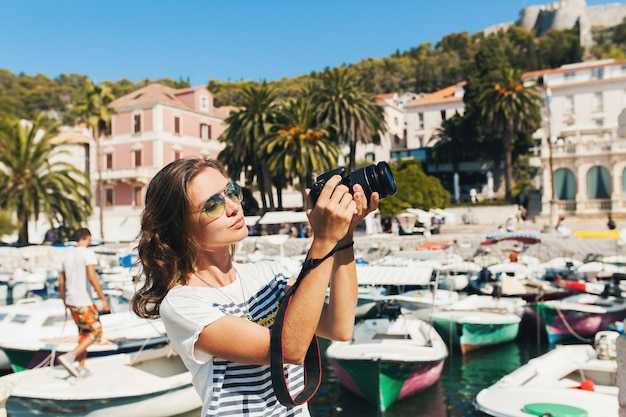
Take the Antibes to Cannes train and start with a sunlit stroll along La Croisette. The crystal-clear water laps the yellow-sand beaches, and anchorages along the Vieux Port sparkle with yachts. Le Suquet’s historic lanes rise above the waterfront, dotted with vintage shops and favorite cafés. At Forville market you can purchase herbs, olives, and regional products for a seaside picnic; many groups on travels seeking unique experiences will appreciate a compact plan that fits a few hours and leaves a nautical vibe in your memory. They can adjust the pace with minimal fuss.
From Antibes, hop a direct train to Nice-Ville, about 20 minutes. In the vieux lanes of Nice the vibe is fast and friendly. The Promenade des Anglais runs along crystal-clear water; stop for a quick gelato, then ride up to Colline du Château for sweeping views of the coast. The cote coastline frames the scene with pastel façades and adds to the overall color. Cours Saleya Market hums with herbs, spices, and fresh produce–perfect for picking up snacks, or to stock up small samples for your waterfront stroll. The mix of the old town and modern streets creates a colorful backdrop for a day that feels absolutely vibrant.
For Grasse, take a train to Nice and switch to a regional line that climbs toward the perfume capital. The old town, Vieux Grasse, feels vintage and artistic, with perfumeries such as Fragonard, Galimard, and Molinard offering tours and sampling. The intro to fragrance history includes herb blends and flower scents–lavender, rosemary, and rose–plus a chance to purchase fragrances or soaps. A short walk to hillside viewpoints rewards you with views over the gulf; many travelers treat Grasse as a quieter contrast to the coast, an absolutely unforgettable experience that complements a Côte d’Azur itinerary and fits well into a day of travels with friends or family.