


 English (UK)
  Русский
  العربية
  日本語
日本語  한국어
한국어  Magyar
  Türkçe
  Español
  Čeština
  Svenska
  Português
  Ελληνικά
  Suomi
Suomi  Nederlands
  Română
  Italiano
  Français
  Polski
  Українська
  Deutsch
  简体中文
简体中文  Slovenčina

Recommendation: Begin with abyc certification this season, pair it with a clear pre‑departure checklist, and make a habit of safety so it becomes routine. This is a good investment that pays back in calmer seas and fewer alarms, especially if you operate with a crew. whatever your schedule, set aside several focused sessions and treat training as a backup to on‑the‑water skills.
1. Safety and seamanship baseline Establish a practical foundation by prioritizing safety drills and equipment familiarity. Learn to select the right anchor and line scope for four common bottoms (sand, mud, rock, weed). Practice a secure hold in a light breeze and in a steady wind of 5–15 knots, then rehearse retrieving and re‑anchoring in current. Create a quick reference card and keep it in the cockpit; this helps you act systematically when conditions change. Use appropriate procedures for gear and tasks to avoid improvisation.
2. Anchoring and mooring mastery Build confidence by testing anchor choice across four bottoms, and practice setting and retrieving in wind up to 20 knots with gusts. Log the results in a pocket notebook and ensure you have a backup plan for current, tide, and boat length. Keep a common checklist visible in the cockpit so the crew can react quickly.
3. Chart-based trip planning Use official charts to map a route that stays within safe margins from shore, marks fuel and weather checkpoints, and identifies several safe harbors. Write a concise risk assessment for each leg: wind shifts, shallow water, traffic, and tides. Keep a lightweight notebook with a record of decisions and outcomes; this is a common discipline that compounds experience.
4. Night operation discipline Practice leaving and returning after sunset, with working lights and proper cockpit lighting. Lay out horizon cues and use charts to stay clear of hazards. Establish a habit of logging night hours and assessing visibility, then plan an overnight stop if weather allows; this improves situational awareness and reduces fatigue.
5. Weather reading and risk management Read forecasts from two independent sources, compare data, and decide whether to depart. Track a common weather threshold for decision making: if wind exceeds 25 knots or seas exceed 2 m, postpone. Build a clear plan for contingencies and a backup route to shelter. This sequence is a good investment in safety ahead of time.
6. Maintenance and spare parts discipline Create a monthly check: engine oil, filter, prop, electrical, and through‑hull fittings, plus a spare parts kit. Schedule an engine oil change every 100 hours of operation or once per season, and maintain a backup battery and spare parts so you’re never stranded. Use a systematically updated log to track age and replacement dates, ensuring the system remains ready regardless of the margin of unexpected issues.
7. Environmental stewardship and etiquette Commit to leave‑no‑trace principles, avoid fuel waste, and respect protected zones. Share best practices with crew and guests; weave it into a common habit with a simple checklist: wind‑aware speeds, minimal wake, and proper waste handling. This ahead-looking approach keeps the experience looking forward and ensures adventures stay viable for years to come.
Ultimate Boating Bucket List
Start with a weatherproof, simple kit in a dry case, secured with tape and positioned at the helm; this non-negotiable prep saves hours when winds shift.
Task 1: Verify safety gear: life jackets, whistle, flashlight, and knife; log their locations on your phone and set a review routine for every voyage.
Task 2: Emergency locator and owner contact case: store ownership papers, insurance, and emergency numbers in a weatherproof pouch; ensure the owner can be reached quickly via the phone.
Task 3: On-board maintenance and spares: assemble a compact toolkit with the needed gear; include a simple tool and a multi-tool, seal with weatherproof tape, and carry a basic manual; verify the kit before departing and replace worn pieces after each outing.
Task 4: Navigation and locator readiness: mark waypoints on charts or a digital map, carry a locator device, and test it; perform a quick review of the planned course and identify the thing that could slow you down before you leave port.
Task 5: Weather protocol: pull the forecast hours ahead, note potential shifts, and have a simple backup route; watch for sudden changes and wait when appropriate, while keeping weatherproof tape and a spare gasket for minor repairs.
Task 6: Training and diligence: run a man-overboard drill, practice VHF and phone calls, manage fuel and line handling; accumulate major hours of practice to feel prepared without unnecessary delays.
Task 7: Post-trip feel and difference: throughout the voyage, note the difference between what worked well and what didn’t; keep a concise log for future voyages and leave notes for the owner or crew to improve safety.
7 Must-Do Items to Check Off; – 1 Check the weather forecast
Verify the forecast for your planned window using a full range of источник and tools. Understand how wind, waves, and visibility will affect the helm and hull, and ensure enough time to adapt your plans if conditions shift. Build a reliable network of data sources, including coastal forecasts and specialized marine models, and use portable devices to stay updated while on deck or ashore.
- Step 1: Verify the forecast window for departure and arrival. Target wind in the 15–25 knot range with gusts under 28 knots, seas around 2–4 ft near shore and higher offshore, and visibility not worse than 3 miles. If any parameter exceeds these thresholds, postpone or switch to sheltered waters at once.
- Step 2: Cross‑check with at least two sources (government service, commercial marine apps, and a trusted forecast model). Note any discrepancies and rely on the most consistent trend for the next 6–12 hours to avoid surprises at the helm.
- Step 3: Assess on‑water impact for your watercraft type and hull design. If spray, chop, or rapid shifts are likely, plan slower speeds, shorter legs, and safer open-water segments within coastlines.
- Step 4: Prep safety gear and appliances. Keep jackets within easy reach, test PLBs, confirm VHF operation, and ensure portable chargers and batteries are ready. Refill first‑aid items at a nearby pharmacy as needed to keep the kit complete.
- Step 5: Communicate plan with the crew. Assign helm responsibilities and hand signals, confirm hourly weather checks, and establish a quick reset if conditions worsen while you’re underway.
- Step 6: Decide contingency routes. If conditions worsen, head to a sheltered harbor or a coastal inlet rather than pressing into open water. Have a fallback plan that preserves water safety and hull integrity.
- Step 7: Log and review. After the event, compare forecast accuracy with what happened, capture lessons for years of experience, and adjust thresholds and handling tactics to improve future forecasts and decisions at the helm.
Thanks for staying disciplined: this approach keeps the journey enjoyable and sails safely along the waters, giving you richer memories of every coastal event and voyage.
Weather checks: 1) Check the weather forecast 2) Review wind and seas forecast
Begin by reviewing the forecast for your areas and the next several days. Use two independent sources to confirm consistency, and note shifts in wind, precipitation, and visibility that affect routing. This review keeps operations on deck and helps ensure comfort for the crew in nearby inlets and offshore sections.
Wind and seas forecast shows sustained wind, gusts, and sea state. Track wind direction and speed, gust intensity, and wave height for both nearshore inlets and open water; if forecasts diverge by more than a few knots or a couple of feet, treat the higher estimate as baseline. For a cruiser, seek a window with manageable winds and seas that match your hull design, to protect the deck and keep movement steady.
Practical steps to stay ahead start with a two-source review and a concise checklist. This approach lets the crew prepare quickly: confirm equipment is stowed, secure loose gear, and protect the bilge from spray. Such preparedness supports safe operations, and post-pandemic lessons emphasize clean, organized lockers to limit contamination in shared spaces. Tracking days ahead helps you position around inlets and other shallow areas with confidence.
Safety and gear remain central when forecasts shift. Inspect protective covers, confirm equipment power, and verify life jackets and signaling gear are ready for contingencies. A professional mindset and designed routines reduce headaches during contingencies and keep the deck calm in rough weather. Leaving the marina with a dry bilge and a clear surface increases comfort for every day on the water.
Daily updates on the forecast matter. If the wind or seas forecast worsens, postpone leaving and revisit tomorrow. With youve crew staying rested, safety improves; a structured review helps you keep areas like inlets and adjacent passages manageable and enjoyable.
Forecast updates and alerts: 3) Monitor storm alerts 4) Track changes and decide on trip viability
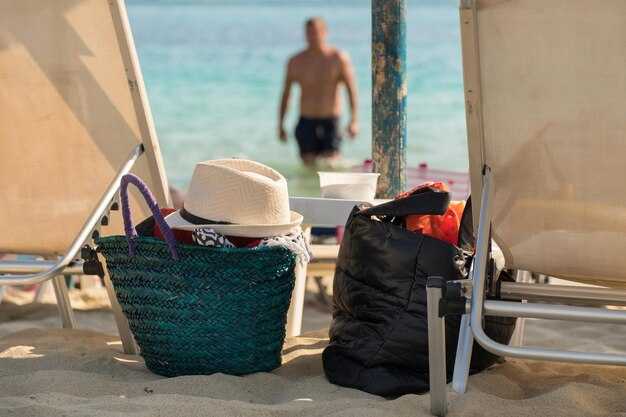
Here is a navigational, actionable approach for getting timely data from specialized sources and guarding everyday operations; clearly defined procedures help the skipper decide on future moves and protect the crew.
- Monitor storm alerts
- Subscribe to authoritative feeds (NOAA/NWS, regional meteorological services) and enable hand-held alerts to receive current warnings within minutes.
- Gather data from multiple sources: forecast tracks, wind grids, sea state, storm motion, and center position; record current wind speed, gusts, and the plausible arrival window to the nearest hour; identify the needed actions and margins for safe maneuvering. Ignoring alerts can ruin plans.
- Assess impact on your planned miles of voyage and nearby coastline; if the storm moves toward or crosses your track within a wide margin (for example, a 50–100 mile corridor), adjust trajectory or postpone.
- Prepare gear: inspect engines, pumps, belts; ensure hand-held devices are charged and protected; carry backup power and lithium cells in approved cases for in-case handling in rough motion.
- Review emergency procedures with the skipper and crew; assign guard roles for weather watch and keep here, as needed, a clear decision chain and a single point of contact.
- Track changes and decide on trip viability
- Monitor updates regularly for notable changes in current forecast; if the storm motion shifts toward your route, be ready to pivot with appropriate safety margins.
- Define thresholds: if sustained winds reach 25–30 knots or seas exceed 2 meters for more than 6 hours, reposition to shelter or cancel the leg.
- Consider alternatives: shorten the plan to a protected area, relocate to harbor cover, or postpone to a day with clearer forecasts.
- Document the final decision and update the plan here; keep the record for years to support future navigational decisions and case studies.
- Make clear control moves for the crew and skipper to execute quickly, minimizing risk and preserving the hull’s integrity.
Suggestion: maintain a compact, hand-held log and a quick-reference checklist to guide future decisions.
Safety gear readiness: 5) Inspect life jackets and PFDs 6) Verify safety equipment is functional
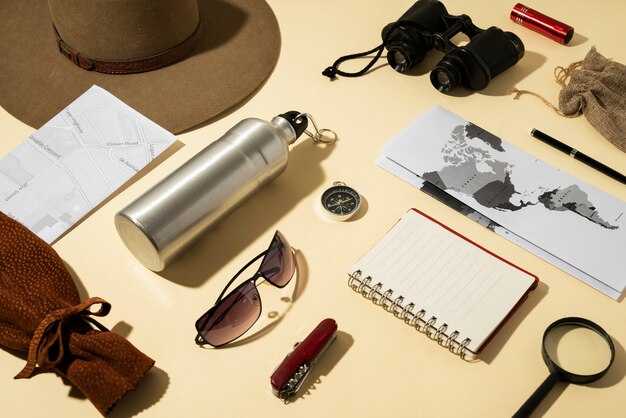
Inspect each life jacket and PFD with a tight, practical check: look for torn fabric, compromised seams, frayed straps, damaged buckles, and faded reflective panels that reduce visibility at night. Replace worn units immediately; ensure every piece is the right size for the wearer and mounted in accessible locations on all vessels to shorten response time in danger. Verify pockets are clear of clutter so items do not snag during an emergency.
Test inflatable PFDs: for automatic inflators confirm the cartridge is present, not expired, and seated; for manual inflators test the pull cord and inspect seals; ensure the label and size are visible on each PFD. Plan for at least one extra unit per crew or guest to cover unexpected configurations.
Signaling and safety gear: verify distress signaling devices and tools function. Confirm VHF radios, EPIRBs, and PLBs are mounted right and ready; test on-channel 16 and 9 where applicable; replace batteries regularly to avoid dead units. Having two kinds of signaling gear on each vessel improves reliability under different environmental conditions.
Electrical resilience and communications: test flashers, beacons, and any lanterns; confirm gear operates as designed; mount devices in safe, accessible spots; keep spare batteries and fuses at the helm for quick access. Ensure communications gear can function during long crossings and poor weather.
Documentation and environmental readiness: maintain a simple log of every unit, including expiry dates and service intervals; store spare cartridges and batteries in a cool, dry place; replace gear showing environmental wear or damage; common practice across vessels is to refresh gear at the start of each season to minimize costs and anxiety for crews. If costs are a concern, prioritize replacements first; else allocate seasonal funds to cover remaining gear.
источник: official safety guidelines emphasize confirming readiness at regular intervals throughout the year and across all crossings.
Navigation planning: 7) Plan route, waypoints, and alternates
Draft a master route with a primary line, four to six waypoints along the track, and two alternates ready to swap in under weather shifts or mechanical failures. Load the route into the marine chart plotter and into a battery-powered backup device; forget relying on memory, and keep the data current with tide tables and docking windows. Ensure the route uses official charts and shows safe depths along each leg. Inspect each electronic component and the battery-powered unit to confirm operation.
Critical factors include weather forecast, currents, wind shifts, traffic density, visibility, and crew readiness. Mark aids such as lighthouses, range markers, and buoys on the chart, and set alerts for approaching hazards. Ensure fluids and medical kits are readily accessible on deck, and keep a tool kit aboard for minor repairs. Choose a pace that allows going comfortably through each leg, with leg distances typically 8–20 nm and ETA updates visible from the helm. Maintain alertness over each leg and adjust as needed, considering the endurance of the crew and the boat.
Design the alternates to avoid busy waterways and shallow areas; designate Alt-1 for a wind shift and Alt-2 for a quick shelter if squalls arise. Place a clear signaling plan with horns at crossings, and keep distress signals visible in both daylight and darkness. When planning, look at docking options along the way and prioritize protected ports to protect the crew during rough conditions. Reflect on the situation if you need to switch to battery-powered navigation aids to reduce the risk of failures in gusty weather.
Looking ahead for days at sea, identify harbor anchors and docking approaches that fit the vessel size and owners’ preferences; ensure the route can be adjusted quickly by the captain and crew, and that the helm has ready access to all critical information. The route should take into account medical contingencies, safe water depths, and the need to avoid smoke or dust around coastal towns. This framework supports safe sailing while keeping the crew prepared for medical contingencies. This plan should be coupled with the deck layout, so crew can move around without hindrance and maintain visibility of each leg’s status.
| Leg | Waypoint | Distance (nm) | Estimated Time | Notes |
|---|---|---|---|---|
| Leg 1 | WP-Alpha | 22 | 1:50 | Primary route; watch depths |
| Leg 2 | WP-Beta | 14 | 1:10 | Alt-1 ready if wind shifts |
| Leg 3 | WP-Gamma | 9 | 0:50 | Alt-2; use aids |
| Leg 4 | Docking Harbor | 0 | – | Harbor arrival; verify medical access |