


 Українська
  English (UK)
  Русский
  العربية
  日本語
日本語  한국어
한국어  Magyar
  Türkçe
  Español
  Čeština
  Svenska
  Português
  Ελληνικά
  Suomi
Suomi  Nederlands
  Română
  Italiano
  Français
  Polski
  Deutsch
  简体中文
简体中文  Slovenčina
 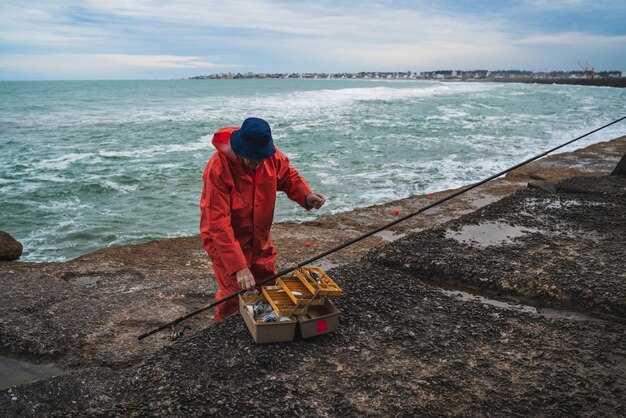 Where to Saltwater Fish – Top Spots, Seasonal Tips, and Gear">

branford marinas along the neck are your best starting point for a comfortable, beginner-friendly saltwater experience. contact the dock staff before you go to book a berth, and plan a light spinning setup with a 15–20 lb leader to build your experience on day one.
Top spots to target include the neck edges, inlet mouths, and channel ledges that concentrate seasonal runs. including the Branford coastline and nearby docks gives you reliable access to breaks with plenty current and structure; you’ll find flounder in the 12–20 inch size range around sandy flats, cobia cruising near pilings and buoys, and sharks patrolling the outer structure when water warms. also, look for schools that push along the marina lines after dusk.
Seasonal tips help you plan each trip. In Summer-early, bite windows compress to dawn and dusk, so target deep estuary mouths at first light and switch to nearshore structures as the day heats up. Use tides to your advantage; in spring you’ll see better action on a rising tide. Include mud minnows, squid, and small bucktails as your go-to baits, and switch to larger lures if you spot cobia or sharks near buoys. You should adjust rigs to the size of fish you expect and keep your experience positive with a comfortable setup.
Gear checklist: 7’–8' medium-light rods paired with 2500–4000 size reels offer versatility across species. Use 12–20 lb braided line with a 20–30 lb fluorocarbon leader for abrasion resistance. Pack a mix of jigs, bucktails, soft plastics, and live bait options like minnows or squid. Have a few 1/0 hooks and swivels, plus extra leaders and terminal tackle so you’re ready for cobia, flounder, or smaller sharks. Keep plenty of tackle and a spare spool in your kit for changing conditions.
Safety and local contacts: check the forecast and always wear a life jacket; fish with a mate when possible. You should call Branford marinas for slip access, dock conditions, and current reports, and contact local skippers for up-to-date bites on sharks, cobia, and flounder in your area.
Practical Guide to Locations, Seasons, and Equipment for Saltwater Angling
Start near-shore waters in spring-early to build technique, then progress across deeper areas as water warms up. Every trip should begin with a quick check of tide, wind, and gear, whether you’re after grey snapper, marlin, or smaller reef species. From here, adjust targets across area and seasons, and trust your setup to perform when you need it most.
Locations to consider
- Nearshore reefs, rocky ledges and sand bars offer steady action for very accessible mornings along every coast.
- Parks and piers offer easy parking, predictable ramp access, and family-friendly fishing with lightweight tackle.
- Marinas and boat ramps provide sheltered channels, breakfast-time feeding windows, and you've got a good chance to connect with breaking fish near long docks.
- Offshore passes, troughs and drop-offs attract pelagic predators; scout these spots during flood tides when the current picks up.
- Deep-sea structures and offshore canyons host bigger targets like marlin and sailfish; plan multi-hour trips and bring heavier gear.
- Area-wide trips across different reefs and wrecks give you spread, making it easier to compare methods and adjust.
Seasons and timing
- Early spring: water turnover disrupts migrations; target grey snapper and juvenile amberjack near ledges with spoons or live bait, and set up a light baitcaster or spinning outfit for quick hookups.
- Summer: long days favour surface plugs, topwater, and mid-depth trolling; use 20–40 lb braid rigs with 30–60 lb leaders for nearshore species and 50–100 lb for offshore trips.
- Autumn: fish move towards structure as temperatures drop; adjust to slower retrieves and switch to heavier spoons or jigs for deeper work.
- Winter: some parks and offshore zones hold species year-round; expect cooler water and plan longer gaps between bites, but stay ready with steady rods and spare leaders.
Equipment, methods, and setup
- Rods and reels: choose a multiplier reel for heavy jigs and spoons when deep-sea or marlin targets are on the agenda; pair with 50–100 lb braid and a 100–150 lb monofilament or fluorocarbon leader for durability.
- Lines and leaders: nearshore setups work well with 15–40 lb braid on spinning reels or light baitcasters, plus 20–30 lb leaders for snappers; for deep-sea, run 50–100 lb braid with 80–150 lb leaders.
- Lures and baits: spoons ranging 1–4 oz cover nearshore and mid-depth; use live bait when permitted and trust other methods like soft plastics for versatility.
- Terminal tackle: carry extra swivels, 60–100 lb traces, and a selection of pre-tied rigs; check knots and replace worn parts before each trip.
- Techniques: try vertical jigging, trolling, and casting–switch depending on water clarity, current, and target species; actual results come from matching the method to the area and season.
- Gear storage and safety: keep a well-organised tackle box, pliers, and a buoyant PFD; very important when moving between nearshore breaks and outside runs.
- Spare parts and readiness: bring extra line sections, hooks, and terminal pieces; getting to the marina or park with a complete kit saves time on the water.
- Species focus: you can chase grey, blue, or white marlin in deep-sea zones, or simpler nearshore species; check local rules and size limits for every area.
- Field checks: before leaving, check tide tables, forecasted wind, and marine alerts; you've got to tailor your plan to the conditions so you can move from one spot to another quickly.
- Gradual progression: start with nearshore, then extend to offshore and marinas as you gain experience; this approach helps you learn each area’s currents, bite windows and structure.
Getting Started Checklist
- Identify 2–3 nearshore targets and one offshore option for a mixed-day plan.
- Load the boat with a lightweight 20–40 lb set-up for nearshore work and a heavier 50–100 lb set-up for deep-sea runs.
- Pack spoons (1–4 oz), live bait gear where allowed, and spare leaders in 20–100 lb breaking strain.
- Review local bag limits and size regulations; check the area's rules before you go.
- Map out a general route from here to marinas, parks, and outer shipping lanes, then rejig if the weather changes.
Coastal and Offshore Hotspots by Region
Target marshes at first light along the east coast to lock in really early catches. What to target begins with redfish along grass edges, then sea trout and flounder in the first cuts; keep your gear light, protect fragile edges, and practice courtesy to other anglers before you move to offshore grounds. A simple Roman calendar approach helps plan migratory windows, but stay flexible for weather and currents, making adjustments as needed.
Східне узбережжя Hotspots cluster around salt marshes, tidal creeks and reef edges just off the bars. Mudflats reveal bait at low water and draw in pompano, drum, and juvenile sharks; fish the edge where the channel floor drops from soft mud to hard bottom. For gear, use a 10–20 lb spinning setup with 1/4–3/8 oz jigs or live shrimp and plastics. Catching tends to peak during the last two hours of the rising tide; start near the marsh edge, then push across to deeper cuts toward inlets. Respect closures and protect seagrass beds by keeping lines away from the blades of marsh grass.
Gulf and South Atlantic hotspots include barrier islands, artificial reefs, and wrecks where red snapper, grouper, amberjack, and king mackerel show up. Offshore canyons and the base of the shelf hold marlin during seasonal migrations; use heavy tackle (20–60 lb) for the big bites. Inshore, mangrove edges and seagrass beds yield redfish and speckled trout; mudflats around passes host flounder and sheepshead. An effective approach blends live bait with iron jigs; this combination helps you make the most of depth changes and reduces your effort. Fishermen report bite windows that peak at dawn and dusk; across the shelf, keep an eye on water clarity and tide. This article aims to help you plan and execute a smart, efficient outing.
West Coast hotspots centre on kelp forests, rocky reefs, and offshore canyons from Southern California to Oregon. The kelp lines concentrate yellowtail, calico bass, and white seabass; outside the kelp, the floor drops rapidly and canyons host tuna and occasionally marlin during migrations. Use a 15–40 lb setup for inshore work and 40–60+ lb for offshore trolling; iron jigs, live bait, and trolling lures perform well with proper depth control. For the seafloor, rockfish and lingcod gather near structure, so work standard dropper rigs and slow-troll techniques to avoid snagging. Always respect reef protections, keep gear organised, and stay mindful of safety–safety for yourself and your crew–when weather shifts and swells rise.
Best Seasonal Windows: Months, Tides, and Weather Patterns
Choose May and early June for hammonasset’s nearshore zones and mudflats, when movement of bait is strongest and water warms toward seasonal highs. That really helps you plan around peak bite times.
Always check the weather and tide tables before you head out; plan an early start to catch the best strike windows. At the same time, balance your clothing with forecasted wind and sun; layering helps you stay comfortable while you target specific spots.
Including a few flexible sites in your plan makes a big difference: hammonasset, nearshore reefs, and mudflats each offer distinct feeds that change with the tide depending on wind direction and sun angle. For reference, destin offers a warm-water contrast that helps you gauge bite timing elsewhere; use it as a benchmark for seasonal timing.
Techniques and gear shift with season. In spring, lighter lures and jigging from rocky points often produce hits; in summer, surface plugs and fast-moving plastics take advantage of calm mornings. Always have a plan, but be ready to adjust as the weather shifts.
Before you head out, review a quick photo checklist: waterproof bag, camera in a protective housing, and a clean lens to capture action shots; early light adds color to waves and movement along the ocean.
| Season Window | Best Sites | Tides & Weather | Techniques & Gear | Примітки |
|---|---|---|---|---|
| Весна (березень–травень) | hammonasset, mudflats, nearshore | increasing movement; mixed fronts; best at low-to-mid tides | shore casts, jigging, occasional topwater; reels 3000–5000; 20–30 lb braid | watch for early bite; plan on damp mornings; bring weather protection |
| Early Summer (May–Jun) | inlets, rips, nearshore structure | calmer seas; warming ocean; light morning winds | surface plugs, soft plastics; reels 4000–6000; 15–40 lb braid | bait movement peaks; call out days with strong tides; drive to multiple sites |
| Late Summer–Early Fall (Jul–Sep) | outer reefs, deeper channels | strong thermocline; variable weather; higher sun | shore casting, longer topwater; reels 6000–8000; 30–50 lb braid | read water color; adjust speed with wind and current |
| Fall (Sep–Nov) | mudflats, passes, inlets | moving tides; bite windows around front passes | topwater and soft plastics; reels 5000–7000; 20–40 lb braid | focus on early mornings; bait movement signals strike times |
| Зима (груд.-лют.) | protected coves, pilings, nearshore edges | slower tides; weather concerns; cold fronts | slow retrieves, heavier jigs; clothing suitable for cold; reels 3000–5000 | short, productive windows when seas allow |
Gear by Target: Rods, Reels, Lines, and Tackle Combinations
Start with a 7’6″ medium-heavy rod paired with a 6000–8000-size baitcaster, loaded with 30–50 lb braided line and a 20–40 lb fluorocarbon leader; this length and power cover shoreline and nearshore runs from Stonington to Hammonasset, and you can switch between live bait, cut bait, and squid jigs without changing setups.
Shoreline and piers
- Rods: 7’6″–8′ lightweight to mid heavy actions for accuracy and long casts
- Reels: 6000–8000-size baitcaster or 4000–6000 spinning reel
- Lines: 30–50 lb braided mainline; 20–40 lb fluorocarbon leader
- Hooks: 2/0–4/0, depending on bait size
- Tackle: 3–4 oz bucktail with a trailer, 1–2 oz metal spoons, and live bait rigs
- Combinations:
- Combo A (shoreline heavy): 7’6″ M-H rod + 6000 baitcaster + 50 lb braid + 40 lb leader + 3/0 circle hook + 3 oz bucktail
- Combo B (spinning alternative): 7’6″ M rod + 5000 spinning reel + 25–30 lb braid + 20 lb leader + 2/0 jig hook + 1–2 oz spoon
- Tips: check regulations for live bait use and keep a photo of the latest size limits; use maps to locate sandy pockets along the shoreline and adjust rigs for the last hour of the tide
- Notes: early mornings give cleaner retrieves; transport via vehicles with racks to reduce gear wear
Inshore estuary and nearshore
- Rods: 7’0″–7’6″ medium to medium-heavy for accuracy in tight spots
- Reels: 4000–6000 spinning or 6000–6000 baitcaster for heavier bites
- Lines: 20–30 lb braided mainline; 15–25 lb leader
- Hooks: 1/0–3/0 depending on bait
- Tackle: soft plastics, live bait rigs, and small metal jigs (1.5–2.5 oz)
- Combinations:
- Combo C: 7’0″ M rod + 6000 reel + 30 lb braid + 20 lb leader + 2/0 live-bait circle + 2 oz jig
- Combo D: 7’0″ M-H rod + 5000 reel + 25 lb braid + 15–20 lb leader + 3/0 circle + soft-plastic trailer
- Tips: study maps for estuary creeks; keep a low profile to avoid spooking fish; last light often produces movement
- Notes: regulations vary by location; stow a current copy and plan routes from Hammonasset to Stonington; a quick photo of rig setup helps you confirm the line length before casting
Deep-sea and offshore
- Rods: 7’6″–8′ heavy to extra-heavy action for big runs
- Reels: conventional big-game reels or 80–130 lb stand-up reels
- Lines: 50–100 lb braided mainline; 80–100 lb mono or fluorocarbon leader
- Hooks: 6/0–10/0 circle hooks or J-hooks for heavier baits
- Tackle: heavy jigs (6–16 oz), big squid bait rigs, and sturdy rubber bands for trolling
- Combinations:
- Combo E: 8’0″ H rod + 80–130 lb reel + 80 lb leader + 8–12 oz jig + 4/0 circle
- Combo F: 7’6″ H rod + stand-up reel + 100 lb braid + 80 lb leader + big lure/bait combo
- Tips: dive into local regulations for offshore limits; study maps to identify structure hotspots around rocky edges and wrecks; stay mindful of deep-sea movement and weather patterns
- Notes: early-season trips benefit from a test run on shorelines like Stonington before heading out; keep a spare rig in a pack for quick changes
Squid and bait-focused fishing
- Rods: 7’–7’6″ light to medium-light action for jigging
- Reels: 2000–3000 size spinning reel or small conventional
- Lines: 15–25 lb braided mainline; 12–20 lb leader
- Jigs: 1.0–2.5 oz squid jigs, glow or white colors
- Combinations:
- Combo G: 7’0″ L-Pivot rod + 3000 reel + 20 lb braid + 12 lb leader + squid jig
- Combo H: 7’6″ L rod + 2000 reel + 15 lb braid + 12 lb leader + light jig with attractant
- Tips: target early mornings; follow tide-driven movement; keep several lures with different colors for varying depth and clarity
- Notes: photos of the jig action can help adjust timing; use a light tackle bag to keep gear within reach on crowded piers
General gear strategy by target
- Balance: match line strength to rod rating and expected fish size; heavier rigs tolerate rougher conditions but reduce sensitivity
- Leaders: use fluorocarbon leaders to resist bite-offs, changing length by target (shorter for wrecks, longer for clear water)
- Hooks and baits: adapt hook size to bait length; among your options, keep a mix of live bait, cut bait, and lures
- Movement and timing: adjust retrieval pace to the target’s feeding window; early and late tidal cycles often yield better results
- Locations and logistics: use maps to plan a loop from Stonington to Hammonasset; check regulations before you go and keep your rig ready for quick changes
- Maintenance: rinse reels after salt exposure; inspect line for nicks and replace when needed; sherwood and other brands offer corrosion-resistant components that hold up in fresh salt spray
- Documentation: keep a simple log and photo notes of gear setups, species, and success rates for future trips
Bait and Lure Picks for Common Species
Start with a 3/4 oz silver spoon for tarpon along the узбережжя at dawn; the flash and wobble grab attention in choppy води.
Від county launches до land-access points, shrimp-imitation plastics on 1/6–1/4 oz jig heads work for redfish, snook, and speckled trout; use a slow hop, then a 2-second pause to imitate escaping crustaceans, trying several methods until you find the trigger.
In fast current, a gold spoon або nickel spoon cast along the channel will pick up bluefish and Spanish mackerel; keep the lure moving with a steady, long- stroking retrieve to stay in the діапазон of active fish. This approach really covers both slow and fast days.
For freshwater pockets or brackish bays, a topwater plug or small soft plastic jerkbait can trigger bites for tarpon and snook; work it when погода stabilizes and water color improves, then pause to let the bait sink.
Gear tips: for a particular tarpon chase, use a medium-heavy setup and 20–40 lb braid with a 25–50 lb leader; carry spare parts such as extra hooks and jig heads, plus a compact tackle kit for long trips and quick fixes.
With experience, you can determine the best lure choice; when you spot clear water, try smaller spoons, while rough seas call for longer casts and heavier gear; this plan gives you a reliable haven on most days, wherever you land your boat and chase the bite.
Species Spotlight: Quick Profiles, Habitat, and Handling Tips
Target spring-early mackerel along inshore bars at dawn for best action. These fast schools hug local estuaries, move with currents, and feed along weed lines near the breakwaters. Look for feeding birds, slicks, and bait; check tides and currents to time your casts. Use a light, quick rig: 15-20 lb test, a small metal spoon or shad-style plug, and a gold spoon for brighter days. Handle on the reel, reel quickly, and dont overplay the fish; if youre planning to release, keep it in the water while reviving. Wet hands only, avoid touching the gills. Mackerel serve as a haven for baitfish, and you can find them near openclosed bays during spring-early moves.
Blackfin tuna profile: spring-summer peaks nearshore and inshore, often schooling around structure and bait. Target 20-50 ft depths along weed lines, bars, and rips; use 30-50 lb gear with a strong leader; circle hooks on jigs, metal spoons, or live bait. Boats launch from local ramps at daybreak; keep steady pressure and drive the boat to keep the school close. When fighting, stay in the pocket, reel steadily, and avoid long skips or line-kinks. Handling tips: bleed and ice if you keep, or release cleanly; never lift by the tail, and revive quickly if you release. Check local limits and size rules; blackfin can require quick decisions and respect for the season, so plan for spring-summer windows if you want steady action. If you come by vehicles, stage gear away from the ramp to keep traffic moving and ready for the next launch.
Scallops profile: habitats include shallow bays, sand bars, and seagrass beds along inshore flats. Harvest during incoming to outgoing tide; check for fully closed shells; vent to check viability. Handle carefully, keep live scallops on ice or in clean, cool water until shucking. Shuck with a sharp knife, avoiding the adductor muscle, and store chilled. Youre likely to find them near local ports with park access and easy launches; openclosed describes tide-driven openings in some beds. Getting scallops to market requires quick processing and careful hygiene; avoid getting shells cracked to maintain meat quality.