


 Українська
  English (UK)
  Русский
  العربية
  日本語
日本語  한국어
한국어  Magyar
  Türkçe
  Español
  Čeština
  Svenska
  Português
  Ελληνικά
  Suomi
Suomi  Nederlands
  Română
  Italiano
  Français
  Polski
  Deutsch
  简体中文
简体中文  Slovenčina
 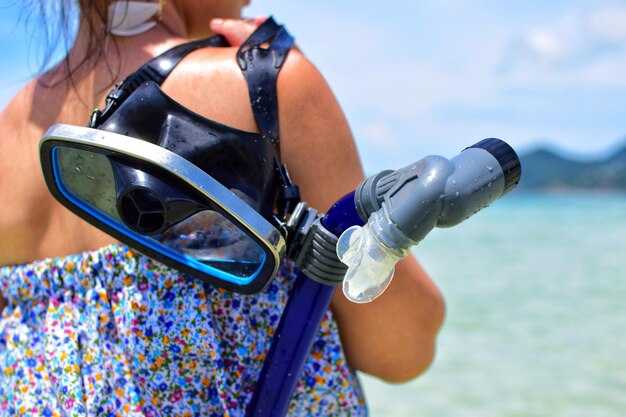 Where to Go Scuba Diving in Mexico – Top Spots">

Оберіть Косумель як відправну точку для дайвінгу в Мексиці.. Вранці видимість зазвичай чудова, течії м'які біля рифу, а корали навколо дна утворюють процвітаючу підводну сцену. Це відчувається як... aquarium у русі, з активними рибами, здоровими коралами та доступними місцями, ідеальними для початківців і діти.
За межами Козумельо, прилеглі райони вздовж рифу пропонують різноманітні місця для різних рівнів підготовки. У Плая-дель-Кармен та Пуерто-Морелос очікуйте невеликі течії, які допоможуть вам обстежити декілька sites в одному виході без тривалих поїздок на човні від берега. Пляжі вздовж цих узбережжя пропонують мілководдя для діти та снорклерів, а глибші секції чекають на тих, хто має досвід занурень з аквалангом з найближчих човнів.
На тихоокеанській стороні, Кабо-Пульмо поблизу Ла-Пас має здоровий заповідник коралів з тихими ранками та чистою водою. Його дно має різноманітні уступи та обриви, які підтримують косяки риб та видиму кору. Підводний вигляд на цьому місці нагадує справжній aquarium, з достаточним життям протягом дня.
Isla Mujeres, Holbox та інші місця вздовж узбережжя пропонують додаткові варіанти, з здоровими рифами та дружніми середовищами існування для сімей. Для планування стежте за течіями та приливами; вранці зазвичай вода найбільш прозора, і ви можете узгодити візити до кількох районів під час однієї поїздки. Зосереджуючись на захищених затоках і мілководних рифах, ви підтримуєте здоров'я рифів і забезпечуєте доступність поїздок для діти та менш досвідчених гостей.
У цих районах проста програма технічного обслуговування шестерень допомагає захистити риф та вашу безпеку. Зберіть компактний набір та перевіряйте маску, регулятор і ласти перед кожним виходом; підтримуйте плавучість, щоб уникнути контакту з дном та коралами. Завжди поважайте місцеві правила, залишайтеся в позначених зонах і насолоджуйтеся безпечним, інформативним досвідом з родиною та друзями.
Мексиканські напрямки для дайвінгу: Швидкий, практичний огляд
Почніть з перелічених ЮНЕСКО островів Ревільягіхедо біля Баха-Каліфорнія-Сур для насиченого подіями, орієнтованого на дику природу вступу до підводного світу Мексики. Тут глибини варіюються від легкодоступних мілинів до глибоких офшорних стін, що приваблюють мант, дельфінів та косяк риби. An experienced guide can contact місцеві екіпажі, arrange дозволи, та спрямують вас до захищених зон, які забороняють hunting. Цей варіант заслуговує на найвищі бали за імпульс та різноманітність, особливо якщо ви подорожуєте у november або деسمبر коли видимість часто покращується.
Наступний, національний парк Кабо-Пульмо поблизу Лос-Кабос пропонує захищену систему рифів, яка підходить як для початківців, так і для experienced дослідники. Те maximum глибини тут залишаються в комфортному діапазоні, а на сайті є historical ріст коралових рифів та прозорі, багаті поживними речовинами води. У november і деسمبر, умови надійні, з many спостережень за дикою природою та зрідка дельфінів уздовж зовнішнього краю заповідника. Weve Чув від гідів, що відповідальні тури підкреслюють охорону природи та уникають надмірно близького наближення.
Для легкого доступу та вражаючої топографії, острів Косумель та Коридор Рів'єри Майя виділяються. Тераси Косумеля здіймаються з морського дна, створюючи драматичні профілі та течії, які несуть їжу до великих зграй риб на рифах. Many ці місця знаходяться недалеко від берега на короткій човновій поїздці, роблячи його better для довгих вихідних; ви можете поєднати це з культурними зупинками у historical towns. In november і деسمبر, легкий вітер і спокійне море забезпечують стабільну видимість, а місцеві магазини пропонують гнучкі пакети, які ви можете arrange з швидким contact.
Архіпелаг Сокорро, внесений до списку ЮНЕСКО (Іслас Ревілягігедо), залишається перевіреним місцем призначення для глибоководного рибальства, з December відльоти часто заповнюють першими. Це maximum глибина зустрічі варіюється залежно від місця, але очікуйте манту, дельфінів та захоплюючі стіни. Цей маршрут приваблює many мандрівникам, але бронювання заздалегідь гарантує місце та розклад, який мінімізує вплив на дику природу. Поради від операторів та press матеріали послідовно підкреслюють збереження; hunting заборонено в захищених зонах, і allende-protected території це підтверджують. Weve виявили, що поєднання кількох днів тут з Кабо Пульмо забезпечує збалансований план і better шанси побачити великі зграї риби.
Practical tips: contact заздалегідь порівнюйте маршрути декількох операторів та вибирайте плани з чіткими зобов'язаннями щодо збереження природи. Зосередьтесь на november або деسمبر відправлення для найкращих умов, та always слідкуйте за місцевими рекомендаціями. Кілька варіантів максимізують глибину, зустрічі з мантами та дельфінами, водночас приховуючи полювання від очей. Ми підготували цей швидкий огляд, щоб допомогти вам обрати напрямки, які відповідають вашому графіку, бюджету та рівню комфорту, з maximum enjoyment.
Best times for diving by region: Baja California, Quintana Roo, and Yucatán cenotes
Baja California: plan dives in April–June or October–December when Pacific winds ease in Baja and visibility commonly reaches 20–30 metres. Water temperatures hover around 18–28°C, so a 3–5 mm suit works in spring and a 5–7 mm for cooler mornings. Protected bahía areas around La Paz and the walls near Espiritu Santo deliver calm currents and extraordinary reef habitats, with Los Islotes offering close encounters with sea lions. If you want extra variety, add a day trip to Marietas for snorkelling before returning to the main Baja routes, and enjoy local songs from guides that highlight marine life.
Quintana Roo: the window from November through May delivers the clearest water and maximum visibility around 30–40 metres, with Caribbean warmth keeping temperatures near 25–29°C. Cozumel offers dramatic walls and drift-like currents on select sites, while the Riviera Maya reefs off Playa del Carmen and Cancun provide steady seas and gentle flows suitable for a balanced list of shallow and deeper experiences. Access points include Isla Mujeres, Cozumel, and the base at Chiquila for Holbox excursions. Currents can vary by day, so heed local advice, and many tourists mix this region with country-side stays along vallartas coastlines for additional reef encounters.
Yucatán cenotes: these cavern networks stay accessible year-round, but the dry season (Nov–Apr) yields steadier air and the best light shafts through caverns. Water sits near 24–28°C, and cavern level requires a suited approach–choose guides who match your training. Cenotes are ancient earth-carved passages, offering crystal-clear pockets and dramatic sunbeams; keep to guided groups if you’re new to cavern experiences, and balance comfort with safety as you explore these remarkable earth-formed systems. If you’re seeking a specific, region-focused thrill, cenote caverns provide a unique base for storytelling in the country’s subterranean areas.
Choosing cenotes: visibility, depth, and cave-diving suitability
Gran Cenote stands out today as the best entry point for first-timers who want clear water, easy access and a relaxed pace. Visibility typically runs 20–40 m, while sunlit water in the shallows lets you observe darting fish against draped limestone shelves. Please budget about an hour to swim, snorkel and explore the main arches without heavy equipment. The site sits anywhere along the Riviera Maya coast, and a shuttle between hotels often stands ready to collect you; those new to cenotes will appreciate the calmest surface and straightforward routes. For many visitors, this offers an original experience that is easy to access.
For a broader cave exploration, Dos Ojos offers an extensive system with several swim-throughs and long passages. Visibility in the main routes often stays in the 60–100 m range, and depths in the accessible sections are typically under 18 m, which makes a guided exploration feasible for competent scuba, with a certified guide using a line and safety protocol. The topography features wide shelves, tight arches, and caverns; the network of sinkholes connects to other cenotes, so you can plan a day that links those sites. In coastal sections, animal life is often present in small pockets near the entrance, and whitetip reef sharks and nurse sharks may be seen nearby in open water, not inside the cenote itself.
Compared with Dos Ojos, The Pit and Calavera push towards deeper, more demanding zones. Depths exceed 20 m and can reach over 40 m, so those areas suit certified scuba; in the lit, easier caverns near the entrance, depths stay less, which makes a guided experience accessible to a wider audience. The skylight beams create a striking scene that transfers well to photos today. These sites are coasting towards more developed tourism, so arrive early and avoid the busiest windows to keep the experience calmest.
Planning and safety tips: arrive before the crowds, typically 9:00 a.m. or earlier, and allocate an hour or more per cenote when you include entry, gear checks, and a short shuttle ride from the hotel. Hire a licensed guide and follow the line; use a back-up light and a timer for transitions between sections. Never touch formations or aquatic life; keep bubbles calm; and stay between the marked paths to protect topography and avoid silt. If you are staying near the coast and want a focused cenote day, those options along the Riviera Maya are developed for easy access today–today’s schedules make a coast-to-cenote loop practical, and you can combine a morning session with beach time. If your plan involves Cabo, note that cenotes are not accessible there on a day trip; plan a return to the mainland to explore these sinkholes anywhere along the Yucatán peninsula.
Cenote Dreamgate: Access, Depth, Current, and Photography Tips
Book a local guide and arrive before first light to access Dreamgate via the water-side entry. This timing reveals the sunbeam slicing through the ceiling and lighting the main chamber.
Access and depth: The cenote sits along the Riviera Maya corridor. A short drive brings you to a small dock, then a few wooden steps drop into a calm pool. The main chamber rests around 6–8 m, with tunnel branches reaching 20–22 m in depth. The iconic skylight delivers a distinct beam that you can capture across the clear water and limestone walls. Visibility commonly runs 15–40 m on clean days, and water stays warm at 26–28°C year-round. Follow a local guide and stay on the marked routes to protect the formations and the cleaning stations nearby.
Current and safety: The current is typically mild in the open areas; after heavy rain, deeper passages can show a stronger drift. Maintain proper buoyancy, keep within the guide’s lines, and hold rails at the entry if needed. A calm, controlled pace delivers a more relaxed experience and protects the cave’s delicate features.
Photography tips: The beam often peaks mid-morning, so plan your shots around 10:30–12:00. Use a wide-angle lens (14–24 mm) and a compact strobe or light to bring colour back from the limestone. Set ISO 125–400, shutter 1/125–1/200 s, aperture f/8–11, and white balance around 5200–5600 K. Shoot RAW to preserve highlights, and keep movements slow to minimise backscatter. Position yourself to frame the beam across the water and avoid touching stalactites or walls; turtles may appear near the entrance in shallow zones, and you can capture the natural cleaning stations where schooling fish gather.
Wildlife and regional context: Dreamgate showcases a warm, sheltered environment, yet the broader Riviera Maya coast offers distinct chances to see mobula rays and occasional whitetip sharks around coastal coves or in open-water ranges. For a broader itinerary, a coastal extension to Vallarta or the Marietas Islands via ferry adds another layer of iconic wildlife viewing, whilst still highlighting Mexico’s diverse coastline and cultural history. The whole experience connects you with a historical appreciation for cenote networks and their role in coastal ecosystems.
| Aspect | What to expect | Tips |
|---|---|---|
| Access | Riviera Maya corridor; dock entry; short wooden descent | Arrive early; go with a local guide |
| Depth range | Main chamber ~6–8 m; tunnels down to ~20–22 m | Follow guidelines; stay within indicated depths |
| Current | Mild in open areas; stronger after rain in deeper passages | Maintain buoyancy; hold handrails near entry |
| Фотографія | Sunbeam beams; colour recovery with light | Wide lens, strobe, RAW, 125–400 ISO, 1/125–1/200 s, f/8–11, 5200–5600 K |
| Wildlife | Turtles near entrance; cleaning stations in shallow zones | Keep your distance; avoid touching. |
Top offshore dives: wrecks & reefs in Cozumel, Cancun, and Riviera Maya
Begin with Cozumel’s Santa Rosa Wall and the C‑53 wreck – iconic sites that reward certified divers with clear water, a balance of currents, and frequent encounters with rays and giants of the reef. Nights bring observing opportunities as the day quietens and the underwater chorus shifts, sometimes without the crowds you’d expect in busier seasons.
The surrounding UNESCO-listed Mesoamerican Barrier Reef System forms a network that connects reefs from Cozumel to the Riviera Maya. This setting provides a continuous source of knowledge through experienced crews and a reliable framework for responsible exploration, which many operators proudly offer to guests.
- Cozumel, Quintana Roo
- Santa Rosa Wall – typical depths 12–30 m; currents vary, so certified guidance is essential. Observing rays and reef giants is common, and the wall delivers dramatic scenery for photography.
- Palancar Reef (Gardens, Bricks, and Caves) – tops around 6–12 m, with walls down to about 40 m; visibility often 25–30 m; a gentle drift and a wide variety of life make it a reliable favourite with strong ratings.
- Columbia Reef – walls and bommies to 60 m; frequent encounters with schools of fish, turtles, and larger groupers; multiple channels let you tailor the experience through macro and pelagic viewing.
- arcos – arches at 12–20 m; easy entries and a family-friendly option with a constant flow of life in crevices and swim-throughs.
- C-53 wreck – rests roughly 12–30 m; hull features and interior spaces attract macro life and offer dramatic photo opportunities.
- princesa wreck – part of extended itineraries along the Riviera Maya corridor, depths typically 18–28 m; macro life and historical appeal draw thoughtful photographers.
- Cancún & Isla Mujeres, Quintana Roo
- Manchones Reef – 6–18 m; clear water and lively reef life; rays are common, and the MUSA sculptures add a fascinating backdrop for observing underwater life without compromising safety.
- Punta Nizuc – 6–25 m; calm mornings and a mix of reef and small wrecks provide a balanced day for beginners and certified guests alike, with reliable access year-round.
- arcos wreck clusters – several small wrecks near Cancún offer straightforward entries and macro life; ratings favour accessibility, especially for families and newcomers.
- Riviera Maya: Puerto Morelos to Tulum
- Puerto Morelos Reef National Park – 6–25 m; well protected, with clear trails and abundant life; winter conditions tend to be the calmest, making longer observing sessions easier.
- princesa wreck – a Riviera Maya corridor feature included in some itineraries; depths around 18–28 m; macro life thrives around the hull and surrounding arches.
- arcos wreck cluster – a mix of arch formations and sunken vessels at 12–25 m; a thoughtful option for those seeking a balance of macro life and larger pelagics when currents cooperate.
Practical notes:
- Choose a certified operator with a solid safety record and a thoughtful pace, especially in winter when seas can be calmer but visibility varies.
- Look for family-friendly shops that offer introductory sessions for newcomers and advanced options for experienced divers; these provide a comfortable baseline and foster thoughtful exploration.
- Bring a lightweight wide-angle lens for reef tops and a macro setup for arches and wreck interiors; a small torch helps during night observing sessions.
- Consider a winter-based plan that includes chiquila як шлюз для експедицій на Холбокс, дозволяючи вам розширити вашу мережу офшорного життя та досвіду.
- Перевірте рейтинги та відгуки інших мандрівників та операторів, і запитайте про природоохоронні та практики захисту рифів, щоб переконатися, що ваша екскурсія відповідає принципам відповідальних подорожей.
є баланс між доступністю та пригодами на цих сайтах, а знання, якими діляться місцеві екіпажі, покращують кожне висвітлення. Пісні рифу – видимі в танцях скатів, силуетах гігантів і мерехтінні зграї риб – залишаються незабутніми, навіть після того, як ви підніметесь на поверхню. Знята піна на поверхні може натякати на більш суворі умови, тому завжди поважайте сигнали течії та дотримуйтеся інструкцій вашого гіда. Незалежно від того, чи ви сім’я з новачками, чи досвідчений дайвер, який шукає глибший погляд на аварії, такі як princesa та аркосні системи, ця мережа офшорних варіантів від аркос до чікіли дозволяє вашому зимовому сезону бути продуктивним і незабутнім.
Спорядження, поради, дозволи та безпека: планування дайвінгового відпочинку до Мексики
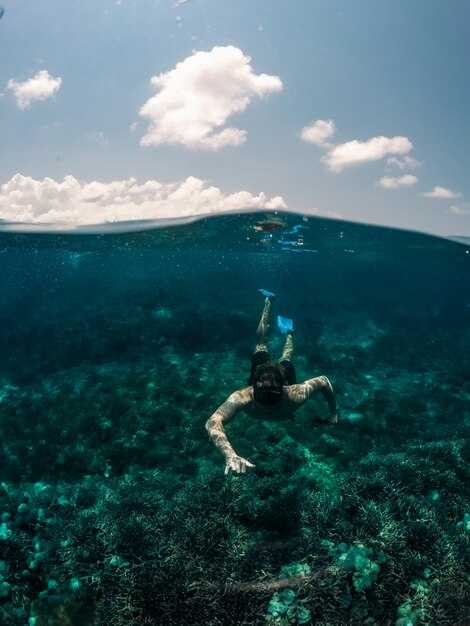
Залучіть сертифікованого місцевого гіда, який включає дозволи та чіткий план безпеки для вашої підводної екскурсії.
Зберіть компактний, надійний комплект: добре підігнаний BCD та вінг, резервний регулятор, дайвінг-комп'ютер, запасна маска та пристрій поверхневого сигналізації. Включіть котушку та мотузку для навігації, дошку для нотаток та запасні O-кільця. Для макро-життя та печерних ділянок, беріть невелике основне світло та запасне. Якщо ваша поїздка відбудеться в листопаді, візьміть легкий ізолюючий шар для прохолодних ранкових годин на поверхні. Риф знаходиться на глибині 8–20 метрів у багатьох місцях, тому адаптуйте своє навантаження, щоб залишатися в межах вашого плану та уникнути надмірного навантаження човна.
Оператори в морських парках включають дозволи до своїх пакетів; перевірте, чи оператор має дійсні дозволи для місць, які ви плануєте відвідати, і чи отримуєте ви письмовий план на день.
Безпека залежить від взаємних перевірок, контролю плавучості та усвідомлення течій. Підтримуйте візуальний контакт з вашим партнером, контролюйте вашу буй, і спокійно повертайтеся на поверхню, якщо умови змінюються. Коли ви дрейфуєте над зовнішніми рифовими стінами або входами до печер, дотримуйтесь безпечної відстані та виконуйте сигнали гіда. Використовуйте буйок поверхневої розмітки на перехрестях, щоб ваша локація була видима для човнів.
Обирайте місця в регіоні з варіантами для початківців, такі як захищені лагуни поблизу острівних груп та мілководдя навколо Ісла Партіда. Для більш досвідчених, досліджуйте зовнішні коралові стіни біля Баха чи секції печер у сенотах в глибині поблизу Юкатану; ваш гід повинен адаптувати маршрут до вашого досвіду та навколишнього середовища.
Очікуйте макрожиття, як креветки та морські слимаки; слідкуйте за .
Поважайте довкілля: уникайте торкання коралів, дотримуйтесь безпечної відстані від гнізд і ніколи не забирайте матеріали зі стін. Ваш гід повинен проінформувати вас про місцеві правила та ідентифікацію дикої природи, включаючи види, такі як групери та макроорганізми.
У дні плавання перевіряйте наявність зручностей: водонагрівача для інтервалів після занурення та надійного радіо. Капітан повинен підтримувати двигуни та обладнання безпеки протягом усього плавання, а ви повинні мати з собою аптечку та запасний ліхтарик.