


 Українська
  English (UK)
  Русский
  العربية
  日本語
日本語  한국어
한국어  Magyar
  Türkçe
  Español
  Čeština
  Svenska
  Português
  Ελληνικά
  Suomi
Suomi  Nederlands
  Română
  Italiano
  Français
  Polski
  Deutsch
  简体中文
简体中文  Slovenčina
 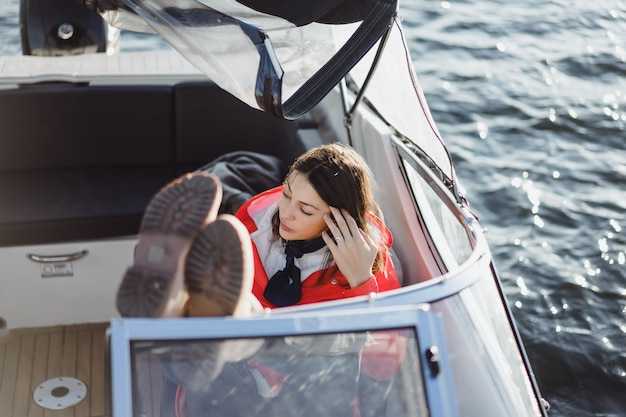 What to Look for When Shopping for Dual Console Boats">

Buy a dual console boat with a wide bow and stainless fittings, because it offers maximum room to move, a secure console, and immediate versatility for both anglers and family days.
Size matters: for 22–26 ft boats, aim for a beam around 8.5–9.5 ft to keep stability and make it easy to host at least 6–8 people without crowding. A deeper cockpit provides room for gear and adds peace of mind when moving between anglers and family onboard.
Choose a console layout that puts controls within easy reach of the helm seat. Look for a center console with a full digital gauge package, locking storage, and a sheltered area for electronics. Stainless rails, cleats, and a rub rail reduce corrosion near saltwater use, while a weatherproof panel keeps switches usable in rain. youll notice how the layout lets you stay focused during a run, and it helps others using the panel.
For anglers, prioritize a livewell around 20–30 gallons, insulated fish boxes, outdoor-grade rod holders, and tackle drawers. If you plan to share the boat, ensure foldable or sliding seating is available to free space between the cockpit and bow, to enable a quick switch from fight to cruise. This also helps when others onboard are changing roles while using the boat.
Power and hull: Verify power options–single or twin outboards with appropriate horsepower rating, weight capacity, and sea-trial performance. Look for a nonskid surface, stainless steering wheel, and reliable bow storage. Some models offer modular seating that can convert the rear into a lounging area, increasing versatility for people and gear. about weight distribution and how the seats affect the balance helps you pick the right model.
During a test drive, check hull rigidity, listen for hull thrum at speed, test the throttle and move between forward and reverse, and confirm the electronic controls respond smoothly. Check the battery switches, bilge pump, and fresh-water system. Ask about warranty length and the service network as part of buying рішення.
Compare the offer from manufacturers and dealers; consider warranty length, service network, and resale value. Use the number of people you typically carry to judge seating and storage, and choose a model whose layout supports both daily commutes and weekend anglers trips.
Specific factors to compare when choosing dual console boats
Start with models that feature a removable center console to maximize versatility for fishing, family days, and quick cruises. This addition provides flexible setup across many needs and is a practical anchor for trophy-worthy days on the water.
When comparing layouts, look at seating configurations across several models, including centerline captain’s chair, forward lounges, and aft benches. Include common options like a wide console-to-cockpit corridor and a space behind the isle to ensure easy movement and clear sightlines for all passengers. This approach helps you visualize how the boat supports various activities and crew sizes.
Fishability matters: verify the number and placement of rod holders, live wells, tackle storage, and cutting boards. Look for a dedicated transom door for easy water access, non-slip decks, and options like a bait-prep station that’s removable and can be tucked behind the isle when not in use.
Center of gravity and weight distribution influence ride quality. Compare dry weight, fuel-tank location, hull joint design, and the distribution of gear across bow, center, and stern. A balanced setup reduces porpoising and improves fuel economy in choppy waters.
Crossovers between dual console and center-console layouts affect protection and accessibility. Many models offer a true dual-console arrangement that shields the captain while leaving a roomy center area for guests. This approach also improves fishability by keeping lines clear and avoiding crowding, especially when several anglers are aboard. This ensures smoother operation on trophy days and when running in rougher waters.
Electronics and onboard gear: compare standard and upgrade packages, including various fishfinders, chartplotters, VHF radios, and autopilot options. Across various display layouts, verify mounting space, display angles, and whether the system offers a removable panel for service. A well-placed center console can reduce glare and improve controls during long days on waters.
Buying tip: start with a clear set of needs and an idea of your budget. Identify several core requirements, then compare various options. In your list, include must-haves like live wells, rod storage, and deck space, and also consider nice-to-haves such as removable seating and added cupholders. This idea, when you shop across multiple offerings from different brands, helps you make a confident decision. The buying course should include test rides and checks of fit to your waters and typical crew. Use recent models and talk to dealers to understand maintenance needs and resale value, which helps you make a solid investment.
Hull stability and ride quality in chop for dual-console layouts
Prioritize a hull with deep-V stability and a flared bow designed to stay level through chop, especially in unique dual-console layouts. In this setup, the helm sits higher, so the hull must resist bow rise and spray; a built-in spray rail and soft chines help you stay capable when waves pass through the cockpit. For most 25–30 ft models, aim for a beam around 8.5–9.5 ft to support the entire deck and spread loads from the driver to the guests. This combination gives your trips higher confidence on choppy days and makes spearfishing or family trips more successful.
Key on-water checks focus on three metrics: ride through chop, visibility from the helm, and weight balance. Take a 15–25 mph cruise through 2–3 ft chop and observe the roll angle; a stable hull should stay within 5–6 degrees of heel. The boat should settle quickly after each crest and maintain consistent trim through the entire deck, so the driver can keep control without overcorrecting.
- Hull geometry and chines: choose a deep-V with 18–22° deadrise at the transom, soft chines, and integrated spray rails to shed water away from the cockpit and reduce harshness in a chop.
- Weight distribution and ballast: keep heavier gear toward the centerline and forward of the console to minimize stern squat and maintain level trim through waves; in addition, place frequent-use items and coolers along forward lockers for easy access.
- Propulsion and drive: for chop, select a reliable outboard setup with ample torque; pair a three- or four-blade stainless prop that matches your motors to reduce ventilation and improve acceleration through waves.
- Deck layout and helm impact: a lower coaming around the helm and a compact dash improve your glance to gauges and navigate through spray; ensure the layout allows easy movement to the bow when waves surge.
- Accessories and infusion of stability: add trim tabs or a hydraulic option if available; sturdy bow rails and a solid swim platform expand social use and spearfishing access; contact authorized dealers to tailor configurations for your boating environment.
To verify performance, arrange a sea trial with an authorized dealer and request real-world conditions that match your trips; the data from your own experiences will inform your selection and help you reach a successful, trophy-worthy ride through chop with your dual-console setup.
Deck layout and seating: access, crowd flow, and versatility
Choose a deck with a wide center isle and modular seating that can be reconfigured in minutes for outings, anglers, or family cruising. In buying decisions, the version that delivers the most value places 24–28 inch aisles around a central corridor, seating that folds behind the helm, and benches that convert to larger room for gear. This layout improves access from the helm to the bow and stern, supports smooth crowd flow, and deserves close consideration by buyers and others choosing a dual-console.
Access and crowd flow: design for circulation around the isle and along the gunwales, not through the center, so two or three people can pass without bumping seating. Position the helm for sturdy sightlines to sides and isle; behind seating a dry storage box or cooler keeps the main path clear. On larger boats, ensure 18–24 inches of clearance around the sides to let an angler step past without stepping on cushions.
Versatility for anglers and families: modular seats that flip to create a casting platform or face aft for social outings, backrests that fold down to expand deck area, and removable chairs stowed behind a bench to free room. The areas near the isle should accommodate an amount of gear, hooks, and tackle; a couple of angled storage compartments add capability for long days on waters. Those who fish regularly will appreciate dedicated hooking zones along the gunwales, and the fact that some options keep the course of lines clear.
Evaluation for buyers: test each layout with a crew to confirm flow around the isle and behind seating, check how much room remains behind the console when gear is stowed, and observe how the seating impacts path from the helm to the isle during a turn. The general takeaway is that a flexible deck adds value beyond the basic seating; in article terms, it boosts room and overall capability. For those buying larger boats, it makes choosing easier and theyre more confident on waters.
Console ergonomics: visibility, control reach, and instrument placement

Center the main helm display 6–8 inches below the seated eye line and tilt 10–20 degrees downward to maximize visibility from the helm of a dual console boat. Keep the primary throttle, trim, and steering within 12–16 inches of the helm grip so you can handle a change in conditions without shifting position. For cons that share a single dash, ensure both seats have nearly identical sightlines to the screen, so every next maneuver stays smooth and precise.
Choose 9–12 inch multifunction displays as the core of the dashboard; add a second, smaller screen (7–9 inches) for engine data or backup navigation. If you need radar or chartplotter functions, go 12–16 inches and position the chart module to the right of the engine cluster so both seats in casual seating and family setups can read data without craning necks. Place gauges in a tight cluster: tach, fuel, and temperature left of center; depth and GPS data within easy glance range to reduce scan time while edgewaters spray or glare degrade view.
Provide 6–8 inches of space behind the dash for access behind the instruments. Use easily removable panels and quick-release latches so technicians can reach wiring and wiring looms without removing major components. Label critical lines and keep a tidy loom with protected conduits. This access ensures you can service or upgrade using a minimal tools-and-time window, which helps keep customers happy and maintains high quality over time.
Align seating and controls with the needs of different users. For family and casual outings, prioritize straightforward access to common functions and make sure the helm and co-helm are within a comfortable 25–30 degree view arc of each screen. For hardcore anglers, add dedicated tackle controls and bait-light switches in a secondary cluster within 14–18 inches of the main throttle, while maintaining a clean sightline to charts and sonar. In both cases, ensure controls are clearly labeled and sized for easy use even with wet gloves. Include a palm-sized handle or grab point near the wheel to stabilize positioning when conditions are rough.
When choosing materials, prioritize glare resistance and weather robustness. Use anti-glare screens with daytime brightness around 1000 nits for edgewaters visibility and ensure the dash uses corrosion-resistant hardware. Check that the tops of displays are angled slightly toward the operator to reduce reflections and keep the instrument panel readable in sun and spray. Test from every next seating position–helm, co-helm, and any casual seating–so you can confirm readability and reach from behind the console as well as in front.
Common mistakes to avoid include placing the main screen too high, forcing a head tilt, or stacking too many controls on a crowded panel. Instead, keep included essential controls within a single, intuitive cluster; add secondary functions in a separate, clearly marked zone. Mind the grip areas and ensure the handle and throttle levers are cushioned and accessible even in rough seas. By focusing on visibility, reach, and instrument placement, you’ll deliver a practical, high-quality setup that satisfies both hardcore enthusiasts and casual customers alike.
Storage and organization: dry storage, tackle spaces, and onboard lockers
Prioritize a layout with lockable dry storage and a dedicated tackle zone. Place under-console dry tubs, a behind-the-lounge locker, and an isle-side tackle system within easy reach during cruising.
For capacity, target at least 2–4 cubic feet of dry storage and 1–2 cubic feet of locker space behind the lounge. This keeps fewer items loose, reduces clutter, and helps keep gear dry during waves.
Design details matter: choose models with drainable liners, gasketed lids, and vented panels behind electronics to prevent moisture buildup. Water exposure stays lower when you separate damp gear from dry items.
Versatility shines when lockers double as lounge space during downtime. A well-planned layout lets you preload spare lines, tools, and bags behind the isle or under seats, so you can find what you need fast during a day on the water.
Choosing between boats comes down to routine: during long cruising days, your storage must stay organized with a mix of dry storage, tackle spots, and lockers behind the lounge. Look for a variety of compartments and high-quality lids that stay quiet when you move around the bow. Rohlffing-inspired layouts show how a tidy behind-the-lounge locker improves access and frees space for a larger lounging area.
| Area | What to look for | Capacity / Size | Practical tip |
|---|---|---|---|
| Dry storage (under console) | Waterproof seals, drain, gasketed lid, rounded corners | 2–4 cu ft | Use sealable bags for electronics and valuables; keep a small moisture packet inside |
| Behind-lounge locker | Lockable, vented, lined; easy access | 1–2 cu ft | Store spare life jackets, manuals, and small dry bags; label contents |
| Tackle space | Vertical racks, pull-out trays, dividers; wipeable liner | 0.5–1 cu ft per standard tackle box | Group by technique; top trays for rigs you use most |
| Isle-side / cockpit lockers | Large, latch-secured, drain if possible | 2–3 cu ft | Color-code bins; keep frequently used items within arm’s reach |
| Wet gear locker | Drain plug, vent, gasketed lid | 0.5–1 cu ft | Stow damp jackets and towels after use; let air circulate |
Trailer compatibility and on-water handling for everyday use
Recommendation: Use a tandem-axle trailer with a GVWR of 6,000–8,500 lb and a tongue weight of 400–750 lb for a 20–25 ft dual-console boat with gear. This right sizing reduces sway, improves control on ramps, and makes dealing with crosswinds around lakes easier.
Pros: Tandem axles offer greater stability and a more comfortable ride, which translates to better on-water performance and peace of mind for customers who often travel with family and gear. For lighter, single-axle setups (dry weight under 3,500 lb), mind braking distance and ramp handling; an alternative is a single-axle trailer, which is cheaper but provides less stability. Ensure bunks align with the hull, or use roller bunks for a deeper V dual-console to prevent hull damage; four corner straps plus a bow strap provide a good, secure transport. They appreciate the stability this setup provides.
On-water handling stems from weight distribution and hull contact. Place gear to balance the console head and cockpit; midship ballast can improve planing, while a small forward ballast can help the bow rise when starting. Perhaps the best approach is to keep the deck clear for fishability, and use the console layout to shield anglers from spray; a family-friendly arrangement offers good wind protection and reduces fatigue on longer trips. In windy conditions, slow down and lean into waves for a smoother ride.
To keep everyday use convenient, inspect the trailer monthly, check tire pressures (typical trailer tires run 50–65 psi), and verify brake operation; replace bearings on a schedule based on use. LED lights provide greater visibility at dawn and dusk. If you often encounter rough ramps, consider sway control or a dual-axle with a hydraulic surge brake setup to head off trailer sway before it starts; this approach offers solid performance and confidence when docking or leaving the ramp.