


 Українська
  English (UK)
  Русский
  العربية
  日本語
日本語  한국어
한국어  Magyar
  Türkçe
  Español
  Čeština
  Svenska
  Português
  Ελληνικά
  Suomi
Suomi  Nederlands
  Română
  Italiano
  Français
  Polski
  Deutsch
  简体中文
简体中文  Slovenčina
 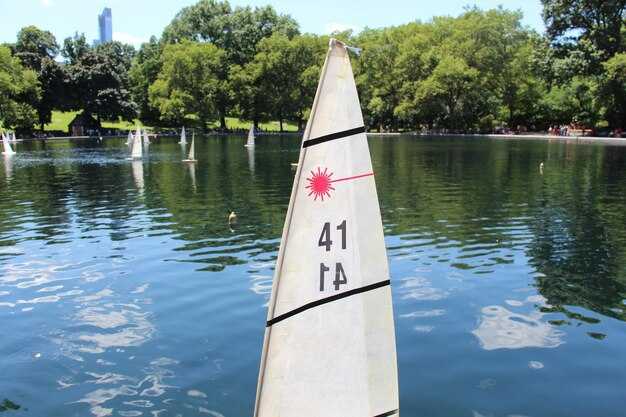 What Is a No-Wake Zone? Definition, Rules, and Safety for Boaters">

Slow to idle as you enter a no-wake zone and stay there until you recognise the boundary markers. This practice keeps the hull quiet, protects nearby boats, and reduces splash along the coast. Always check charts and online notices from the harbour authority, and share the rule with your crew so everyone moves as a team that respects the zone. That's the rule every time you approach a zone.
nautical No-wake zones exist to limit wake, protect swimmers, shorelines, docks, and wildlife. They often cover popular stretches along the coast and near marinas, boat ramps, and busy channels. When you enter, vessels of all sizes повинен reduce speed to idle and keep a straight course to prevent broadside wakes that could endanger others. For those who sail, the rule applies just as clearly, near busy waterfronts.
Rules are posted with signs and channel buoys, and are enforced in most coastal waters. Within a no-wake zone you should operate at idle speed, often described as no wake, and maintain a straight course to minimise the wake. Larger vessels may have stricter proximity rules; you should give them extra space when approaching in the channel. Experienced boat owners know to properly recognise the boundaries from charts and to slow well before turning to avoid creating wake near docks and swimmers. While you move through the zone, keep a steady course and avoid abrupt manoeuvres.
Safety starts with the crew: Distribute tasks, share watches, and keep everyone informed about how to operate inside the zone. Wear life jackets, keep a sharp lookout, and use clear hand signals to coordinate speed and steering. If visibility drops, reduce speed further and consider waiting for a stretch of calm water. online resources and local charts offer updates on temporary restrictions, so check before you sail and share changes with the crew.
Before you set sail, plan the route using charts and notices; know that zones can shift with seasons or tides, so near coast you should verify current restrictions online and on the vessel's chart plotter. The no wake rule is known among anglers and harbour staff, and you should recognise the boundaries early to avoid penalties and protect much more than you expect.
What Is a No-Wake Zone? A Practical Guide for Boat Owners
Maintain a no-wake speed as you enter marked zones to protect shorelines, watercraft, and the crew aboard.
Whether underway or approaching shorelines, gradually reduce speed to safe, wake-free levels and keep space from other watercraft and the crew aboard, maintaining awareness of busy channels.
No-wake zones are marked on charts and buoys; staying inside protects the environment and reduces erosion from waves.
Knowledge of the area and local rules is necessary for safe boating; attend a seminar when available to keep the crew informed about what is allowed and isn't.
Currents and waves challenge boat handling; maintain control by keeping a steady course and gradually adjusting speed against the current for safe underway operation.
When you spot a marked zone ahead, slow to the safe speed, alert the crew aboard, and follow posted guidance until you are out of the area. They're essential for safe operation around shorelines.
Plan routes to avoid busy channels; as you move underway, accelerate gradually to your best cruising speed once you are clear of the zone, minimising wake for nearby boats.
Keeping these guidelines improves safety, preserves the environment, and protects shorelines for every watercraft and crew aboard.
Identify No Wake Zones on Charts and Waterfront Markers
Always check current charts before travelling near shorelines to identify a no-wake zone and its boundaries. The chart legend marks regulatory zones and shows boundary lines you should respect as you pass through.
On paper and electronic charts, no-wake zones appear as shaded polygons and notes describing the restriction. Learn to read the pattern: a zone often follows the shoreline, channel edges, or a marina approach, and it ends where buoys or markers change near shore.
On the water, waterfront markers provide current guidance. Look for regulatory buoys and signs; buoys tied to a mooring or pier indicate the boundary. Marker colours and shapes help: a cluster of red and white markers, or a yellow buoy, may signal the edge of the zone.
Whether you're travelling or passing near a marked boundary, slow to no-wake speed and keep your wake small. If you see “No Wake” text on a marker, comply immediately.
Licensed operators are responsible; everyone onboard should know the boundary and avoid making wakes inside for watercraft and other vessels.
Sometimes the boundary isn't obvious due to glare or sediment; if you can't confirm it on the chart, take safe action: reduce speed, watch for other boats tied near the line, and avoid crowding the area.
Common problems include misreading the marker cluster or assuming a pattern extends further than it does, which can put nearby boats or swimmers at risk.
Better travel planning means using offered guidance from the harbour master or a staff member, marina notices, and regulatory postings; check for seasonal changes and updated boundaries.
Remember: whether you're travelling in lochs, rivers, or coastal waters, everyone on board is responsible to pass safely and respect the no-wake boundary.
Understanding Common No-Wake Speed Limits and Their Implications

Set your speed to idle before entering any marked no-wake area and verify the boundary where it begins on official charts. When travelling toward shore or a marina, keeping the boat at idle while coordinating with your crew ensures smooth handling and minimises risk.
What a no-wake limit does is reduce wake force and protect swimmers. Typical limits range from 0 to 5 mph; within 100 feet of shore, docks, marked zones, or swimmers, you must be at idle. Under no-wake rules, keep speed to idle. Always consult regulatory charts and markings for your area, and keep knowledge up to date to stay compliant.
The driver should operate with care; give swimmers and paddlers ample space while the vessel is near shore, maintaining distance to avoid propeller harm. The force of even a small wake can sweep a person, so handling should be deliberate. Taking slow turns and staying at idle demonstrates responsible operation and builds confidence.
Regulatory requirements vary by region. Captains must know the best practices and marked boundaries; rely on official charts and regulatory signage. Violations carry penalties; operating responsibly helps you avoid fines and ensure safe passage for all.
Weather and traffic patterns affect stopping distances; plan trips with extra space and check forecasts before entering busy zones. With poor weather or crowded water, reduce speed earlier and travel with more margin to avoid accidental wake near swimmers or docks.
To stay compliant, maintain a living list of no-wake zones from regulatory sources and local authorities. Keep this knowledge current by reviewing updates and sharing with crew. Making a simple folder with zone names, distances, and boundary markings helps you recognise where to slow down and how to operate with confidence and care, every trip.
Recognise Signage, Buoys, and Chart Symbols Indicating a No-Wake Zone
Always slow to idle and verify boundary signs before entering a no-wake zone.
The guide includes practical steps to recognise signage, buoys, and chart symbols and to act with confidence online and on the water, so you're prepared to keep fellow crew safe and protect the coast.
-
Signs to look out for
- No-Wake or NO WAKE zone signs posted along shorelines, piers, and entry channels. Follow the text immediately to protect swimmers and nearby vessels along the coast.
- Look for circle markers or distinctive daymarks near the boundary; when you notice a circle symbol, treat it as a boundary cue and reduce speed to tick-over.
-
Buoys and boundary markers
- Regulatory buoys marking no-wake boundaries are often white with red bands or numerals; pass them with no rush and limit pushes that create wake towards other boats.
- Markers are commonly arranged in lines or pairs along the perimeter; stay outside the outer marker until you're clearly clear of the zone.
-
Chart symbols and online resources
- On nautical charts, the boundary may appear as magenta lines or shaded areas with a legend note indicating a no-wake zone; check online resources from coast guards and local authorities for exact meanings and updates.
- Compare your GPS track with the chart to ensure you're inside the safe area and not inadvertently crossing into restricted water.
-
Practical actions to operate safely
- Plan your route to keep enough distance from shore and known zones; share the plan with fellow crew so everyone understands where to slow down and where to stay idle.
- As you approach the boundary, reduce speed gradually and maintain a circle around swimmers, paddlers, or moored vessels to minimise wake and impact.
- If you spot a boundary, comply with guidelines, and if in doubt, take the longer, safer path to coast so you can operate safely and respectfully.
-
Responsibilities and reporting
- Operate vessels responsibly, ensuring personal and crew safety while protecting wildlife and waterfront infrastructure along the coast.
- Report damaged or missing signs online to help authorities keep known zones clear and reduce risk for swimming areas and navigation channels.
- Right then, listen up everyone. We need you all to do your bit in keeping the wake down, yeah? It's about everyone's safety and comfort, so let's keep things nice and calm out there. Cheers.
Safe Operating Techniques Within No-Wake Zones: Idle Power, Turning, and Prop Safety
Set engine to tick-over as you enter a no-wake zone and maintain 0–2 mph to minimise wakes and protect wildlife and shorelines. Plan your line of travel to pass along the outer edge where your wave impact is lowest, and share your intent with nearby boaters to keep everyone on predictable courses. With light traffic, even small adjustments reduce the force you exert on the water and the risk to others.
Navigating these areas requires discipline. Before you begin a curve, reduce power to idle, then steer a smooth, wide arc to avoid abrupt bow rise or stern waves. Keep your navigation steady and choose a path that avoids crossing the wakes of others. If you need to pass, do so at idle speed with ample separation, and simple, gradual course changes to protect wildlife and shore facilities. Boater safety seminars can sharpen these skills and improve outcomes for all peers in the nautical community.
Prop safety matters more in restricted waters. Keep hands, hair, and clothing away from the propeller while the motor is running. Use the safety kill switch and have a crew member monitor passengers. If you must reverse, use slow, controlled thrust and avoid sudden backwash that pushes against docks or other boats. Before moving, check for debris or entanglement hazards around the prop; consider guards where available to reduce risk. These practices protect the boat, the environment, and everyone sharing the line of navigation along the coast or marina.
Whether you boat daily or seasonally, staying at idle power within no-wake zones reduces impact on wildlife and shorelines, and keeps the environment calmer for all. Consider taking a safety seminar, share tips with other boater crews, and include these techniques in your routine before every trip. In all cases, the size of the zone and the local rules determine the actions you take to maintain safe, responsible navigation and pass through calmly.
| Technique | Action | Why it matters |
| Idle power | Keep engine at idle; 0–3 km/h; avoid reversals | Reduces wakes, minimises wave impact against docks and wildlife |
| Turning | Use wide arcs; slow before curves; maintain smooth throttle | Prevents abrupt bow or stern wake, improves control and safety |
| Prop safety | Keep crew away from prop; use kill switch; neutral when stopped | Prevents injury, protects gear, reduces prop damage |
| Комунікація | Signal intentions; announce passes; plan routes with other boats | Improves navigation and reduces risk for all on the line |
| Wildlife and environment | Keep your distance; move away in a circle if animals are present | Minimises disturbance and protects local ecosystems |
Enforcement, Penalties, and How to Avoid Breaches
Start with a clear action: slow to tick-over speed before entering marked no-wake zones, and keep your moves steady so your wake stays at the minimum while you pass docks and shorelines.
Enforcement comes from coastguard units, state marine patrols and harbour officials who monitor zones, observe wake, and log violations in a pattern that repeats across major ports, marinas, and near fishing fleets, with respect for other water users.
Penalties vary by location. In the Americas, minor violations commonly carry a few hundred dollars in fines; more serious offences or repeat offences can reach thousands, plus possible licence suspensions, vessel detainment, and higher insurance premiums.
Practical steps to avoid violations include studying maps and marked buoys, planning a route that keeps you out of restricted water, and carrying updated charts and a working speed control. Keep minimum safe distance from swimmers, docks, rock hazards, and fishing boats; communicate with crew and adjust speed before approaching zones where other vessels operate, while maintaining awareness of other vessels and wind shifts.
Maintain reliability of navigation gear, speed gauges, and motor controls; run a pre-trip check, log maintenance, and replace worn parts. This awareness reduces surprises and helps you avoid fines even in busy ocean corridors and near club events, sail teams, and harbour traffic, and everything in between.
Carry a simple enforcement-ready kit: registration, current chart, a whistle, and a copy of local no-wake rules; keep a record of speed, manoeuvres, and where you passed marked zones. Those records support that you followed a safe pattern and enough caution during a crossing.
That's why ongoing training matters for every boater in the Americas, to keep moves safe and avoid penalties whilst navigating ocean zones near docks and fishing spots.