


 Українська
  English (UK)
  Русский
  العربية
  日本語
日本語  한국어
한국어  Magyar
  Türkçe
  Español
  Čeština
  Svenska
  Português
  Ελληνικά
  Suomi
Suomi  Nederlands
  Română
  Italiano
  Français
  Polski
  Deutsch
  简体中文
简体中文  Slovenčina
 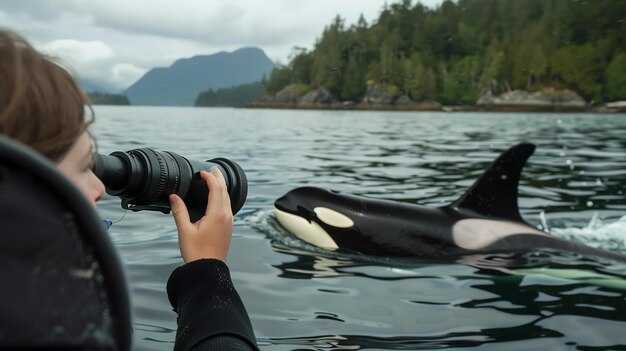 Whale Wildlife Watching Tours – Best Whale Watching Experiences for Nature Lovers">

Start your day with an early-morning tour on a stable, small boat for better whale spotting. Calm seas and light traffic both maximise times when pods surface, breaching, and tail-slaps are visible. Here you’ll understand how a respectful, slow approach helps you enjoy close looks without stressing the creatures. That balance also keeps the ride comfortable for families and photographers. Park in the harbour car park and join a crew that keeps queues short and views clear; the dock is filled with the scent of salt and the morning energy.
Look for discounted departures offered by operators who publish real-time whale counts and safety notes, and have trips that span across places anywhere along the coast. When you come aboard, the captain and naturalist explain what the sightings mean and how weather and currents shape where whales travel, and that knowledge helps you understand the odds and pick the best option for your schedule. Operators began their programmes with a single boat and now run small fleets, yet still keep the experience intimate.
To plan well, bring layers, a hat, sun cream, and a camera with a fast shutter. Arrive 15 minutes early to secure a seat with the best view; times can shift with wind and swell, but crews do adjust routes and the captain does ensure you stay in the best chances for seeing pods. Seafarers on deck describe how pods move along during the season, and point out clear signs–bald fins, blows, and spouts–across the water so you can track activity.
When you return, compare notes with fellow travellers and consider booking a second tour to cover another coast segment. A few operators offer longer, multi-stop trips with pooled seating for more chances to see different behaviours across places; if you plan ahead, you’ll find discounted options and flexible itineraries. Here, nature lovers gain practical tips for future trips and a better understanding of how habitat conditions shift year by year.
Whale Watching Guide for Nature Lovers
Book a small-boat, guided cruise at the marina in advance; this ensures comfortable seating and access to an experienced naturalist.
Choose a location that offers sightings across diverse places within a single voyage, rather than chasing a single hotspot; most tours spread options across bays and inlets.
Grey whales were frequent in cooler waters near specific islands, so plan trips across years to compare patterns and simply note changes.
Opt for a classic route with wide seating and stable platforms; this reduces glare and improves viewing for both beginners and seasoned travellers.
Check that the operator complies with required wildlife guidelines and keeps a respectful distance from whales.
Spend time ashore in a marina town between trips to rest, refuel, and learn about local marine ecosystems.
During each outing, listen to on-board briefings that explain signals through the water, helping you identify grey whales and other species.
After a successful sighting, consider a second leg across the coast or through sheltered channels to broaden your experience.
To maximise value, choose providers that offer advance booking, clear cancellation terms, and options within the range of most budgets; for comfort, look for large seating options if available, and the guide may suggest the best windows for viewing.
Choose a Responsible Whale-Watching Operator
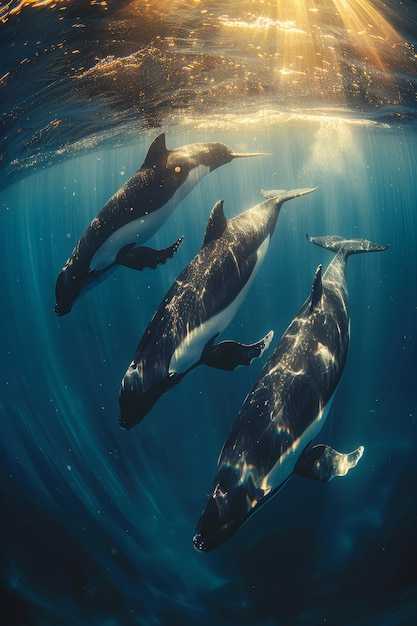
Start with a licensed operator that offers clear conduct rules, keeps engines quiet, and limits the number of boats and passengers during adventures along the coast and near island marina to offer more meaningful experiences.
Enquire about permits and certifications, peak-season travel practices, particularly in August, and the maximum number of vessels that may approach a pod at once; ask the head of operations to share the official policy, which details should be published on the operator’s site or verified with the marina or coastguard.
Look for someone who trains crews in whale behaviour, prioritises rest between passes for the animals, and provides accurate life-based commentary for passengers about marine life, island habitats, and the coastal environment. Source Lopez frequently notes that such operators publish distances and time limits; check their pages for posted rules and safety notes.
| Criterion | What to verify | What to expect |
|---|---|---|
| Permits & Codes | Marine authority permits; posted distance rules | Permit numbers visible; rules clearly stated on site |
| Vessel count | Maximum number of vessels near a pod; keep distance 100–300 m | Usually 2–4 vessels; quiet approach, avoid chasing |
| Crew training | Captains and naturalists trained in whale behaviour | Pre-approach safety brief; no feeding; calm narration |
| Passenger guidelines | Brief etiquette; rest periods for wildlife; no loud actions | Quiet observation, minimal sudden moves |
| Environmental practices | Waste management; noise controls; engine idling | Low-noise vessels; proper waste handling |
| Cruise length | Time near sightings; opportunities to rest | 2–3 hour cruises; broken into segments if needed |
Some flagship options market big numbers, but choose a traveller-friendly operator that prioritises quiet observation over sensationalism.
Best Times and Places for Whale Sightings
Take early-morning tours from May through September along the Washington coast, with a focus on Eastsound, to maximise sightings of humpback and killer whales. In the morning, seas are calmer and wildlife activity expands, they arrive in pods during peak windows, and you can expect multiple chances to spot them every trip.
In practice, the classic spots include Eastsound and the outer coast near the San Juan Islands, where both humpback and killer whales frequent the water, especially on clear days in the late spring and summer months. Marine life such as seals and porpoises often ride the wake, and bald eagles soar above the coast.
Best months for sightings vary by species: Humpbacks show up most reliably in July and August, with May and June offering early opportunities; killer whales travel the coast through winter, spring, and again in autumn, so you may see them on several tours over the year.
Opt for tours with experienced captains and a flexible schedule: the ability to shift routes on the fly improves your odds, and the operator will outline the required safety briefings, minimum ages, and capacity limits. This flexibility helps you adapt to conditions and ensure you’re on the water when the whales are here.
For maximum value, book a combo that covers both sides of the coast where possible, as you’ll chase sighting occasions over both pods and species. With smart planning, Washington residents and visitors alike can enjoy a classic, best chance to see whales, and the effort often turns into lasting memories across years.
What to Wear and Pack for a Whale Watch
Layer up with a windproof, waterproof jacket to stay comfortable on deck. In the northwest Washington pacific, temperatures shift quickly, so much of the day can feel cool even when the sun shines. There's seating along the rails and shaded corners where you can watch life in the water with minimal wind exposure.
Dress in layers: a moisture-wicking base, a warm mid-layer, and a waterproof outer shell. Add a light head covering, a beanie or headband, gloves, and warm socks; waterproof trousers provide extra defence if spray hits you. Choose comfortable, flexible garments that let you move when you lean for a plume or a tail. For sun, wear sunglasses and sunscreen; the glare can be strong throughout the day. Only pack what you can carry easily to stay nimble on the vessel.
Pack a compact daypack with water, snacks, sun cream, lip balm, a camera, binoculars, extra batteries, and a small charger. If you’re taking the trip from the office, keep items compact and organised to avoid clutter on the seating. Use a waterproof bag for electronics and spare layers, and store heavier items close to your back for balance. There's space under some seats and along dedicated racks on many vessels, and crew can point you to the best spots to set down gear.
There are moments when the wind and water sound like a natural lull, so stay focused and ready. If spray increases, move away from the rail and sit in a sheltered area to reset. Respect wildlife and crew instructions; stay at a safe distance and avoid chasing gliding pods. Both naturalists and casual observers benefit from steady, calm observation. Understand the vessel’s guidelines; keep walkways clear and avoid blocking seating for others.
On-Board Etiquette and Safety Tips
Remain seated and keep voices low during sightings to minimise disturbance to grey seals, otters, and other wildlife, and to keep the vessel stable for everyone onboard.
Before departure, check in at the office and review the safety briefing; plan your moves in advance so you can respond quickly if the captain signals changes in conditions.
- Keep at least 100 metres distance from any whale group; never chase or surround them; stay within the designated viewing area on the deck.
- Please don't feed wildlife or throw rubbish overboard; this reduces risk to animals and helps keep the environment clean.
- Supervise children at all times; hold hands, avoid running, and designate a meeting point in case of an abrupt stop.
- Remain in a stable, seated position whenever the vessel moves; hold onto rails when the deck tilts and avoid leaning over the edge.
- Use quiet photography; limit flash and keep voices low to minimise disturbance to marine mammals such as greys.
- Follow crew instructions at all times; they direct boarding, disembarking, and safe viewing positions.
- In rough seas, wear a life jacket and stay with the group; do not wander onto headlands or away from the main path.
- Keep aisles clear; stow bags under seats; take travel-sickness precautions early if needed.
- Please be aware that otters, seabirds and other marine life may appear anywhere along the route; give them space and observe from a distance.
Practical notes for planners: advance booking helps secure seats on popular trips; the price can vary by season and by vessel, so check exact costs when reserving. For autumn and winter departures, pack a windproof layer and wear sun cream in the sun’s glare off the water. Morning trips often offer calmer seas, but weather can shift quickly–listen for early updates from the captain and crew.
Olivia, a naturalist on some Friday morning trips, explains animal behaviour and shows how to read blow, tail lobes, and approaches. They emphasise safety lines and staying within the designated place on deck. Naturalists and crew monitor wildlife activity to ensure respectful viewing and safety for everyone. Seafarers and guests collaborate to spot otters and other wildlife while keeping a stable, happy atmosphere on board.
They also note that families with children should choose trips designed for young explorers; these trips provide kid-friendly explanations and hands-on safety tips to keep adventures enjoyable for all.
Plan Your Trip: Itinerary and Transport Details
Book a morning tour from your harbour to catch calm seas and prime light for watching pods of minkes along the pacific coast–this will give you the best chances anywhere along the coast.
Itinerary at a glance:
- Check in within 30–45 minutes before departure; locate bathrooms, your boats, and the seating area; note your captain and the operator’s name for the day.
- Once aboard, keep an eye out for pods of whales; keep your voices down to maintain a calm environment; take photographs from the rails and please remain within the marked zones for their safety. Each boat offers a slightly different vantage point, so choose your seat based on the weather and light.
- Return to the harbour, review sightings with the crew, and check cancellations policy for future tours. If you missed a sighting, ask about a discount on a future trip.
Transit to the harbour:
- Driving: park in the harbour car park or designated spaces; parking fills up quickly at weekends – arrive early and allow time for a walk to the dock.
- Public transport: bus routes stop within a short walk of the marina; check latest timetables to avoid delays.
- Ride-hailing: request a drop-off near the dock; use the kerbside loading zone to prevent traffic.
- Boat options: Several boats operate each day; if you have a preference for shade, crowd size, or long observation decks, ask at check-in.
Logistics and tips:
- Bring layers, windproof jackets, sunscreen, a hat, water, and a camera; binoculars help you spot distant pods anywhere along the long Pacific stretch.
- Respect wildlife: stay within marked areas and listen to the seafarers’ briefing on distances and approach speeds.
- Facilities: bathrooms are usually in the marina complex; plan a quick rest in the harbour before boarding to maximise your time on the boats.
- Weather and seas: the ride can range from calm to choppy; have seasickness remedies ready and choose morning tours for best odds of clear days with fewer swells.
Plan adjustments and notes:
- Those planning a tight schedule can schedule a second tour in the same day if seas stay calm; if not, opt for the morning slot for best odds of killer whale encounters and minkes in the pods.
- Check updates from the source and your operator for cancellations or reschedulings; plan a flexible window to accommodate any changes.
- Biggs and Olivia often lead on-water briefings and share spot reports; their guidance helps you optimise where to look and when to move for best sightings.