


 Українська
  English (UK)
  Русский
  العربية
  日本語
日本語  한국어
한국어  Magyar
  Türkçe
  Español
  Čeština
  Svenska
  Português
  Ελληνικά
  Suomi
Suomi  Nederlands
  Română
  Italiano
  Français
  Polski
  Deutsch
  简体中文
简体中文  Slovenčina
  Top 10 Beaches in Antigua and Barbuda with Photos">

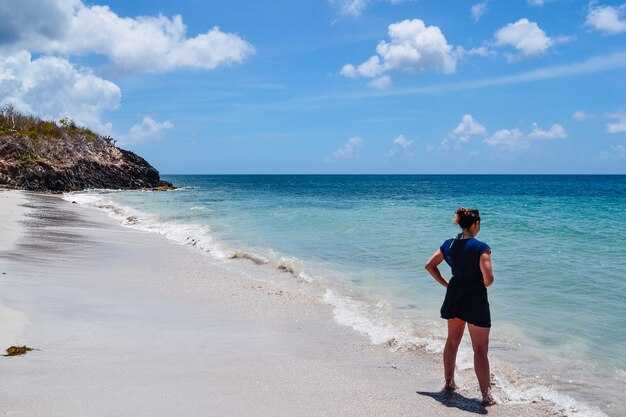
Start your Antigua and Barbuda beach itinerary at Valley Church Beach, a pristine spot where very calm turquoise water makes entry easy for families and first-time snorkelers. The Carlisle location is a short drive away, and locals love to unwind here with simple picnics and friendly chats. Bring a towel and a light snack, and you’ll understand why this beach is seen in guides for its clean sand and generous views.
From there, this website guides you through ten beaches with photos so you can compare colour, sand texture, and a spot you’d like to revisit. It connects practical tips, parking details, and the best times to visit each location; St John's serves as a convenient start, with a short hop to Barbuda for pink-sand beaches that locals consider especially memorable. Once You see the images, you'll know which direction to take next and what kind of day you want–quiet coves or lively shoreline views.
Three beaches lie on Antigua's west coast and three on Barbuda, each with its own rhythm: Long Bay's shallow, clear water; Dickenson Bay's long arc of sand; and Barbuda's Pink Sand Beach, reachable by a short flight or boat transfer. If you're chasing a social evening, nearby clubs and waterfront bars provide easy evening plans, while ship traffic from nearby routes adds a hint of sea breeze to the views at dusk. You’ll keep a flexible pace, swapping palm shade for sun when needed, and you’ll learn what signs to watch for to protect the pristine coastline.
Always check the forecast on the website before you head out, and bring a camera to capture the views you’ll want to relive. This guide helps you plan a day that connects nature with easy logistics–parking, shade, and nearby things to do for after-sun relaxation–and leaves you ready to explore Saint John's, Carlisle Bay, and beyond with confidence.
3 Valley Church Beach – Access, parking and best photo spots
Park in the small roadside lay-by on Valley Church Road, just north of the junction with the main coast road; from there, a 4–5 minute stroll leads to the sand.
Access is straightforward: a short, well-trodden path drops from the parking area to the beach, with a shallow entry at low tide and deeper water further out. The cove is protected by a reef, yielding calmer conditions ideal for family days, slow strolls, and tourist photos alike, providing warm light and soft reflections across the shallow water.
Parking space is around 6 cars; arrive early to bag the best spots. There are no facilities on site, so bring water, sun cream, and a towel. Nearby villas and boutique stays offer easy access for a longer stay, and Patti from a local operator can arrange a quick pickup nearby if you're on a tight schedule.
Best photo spots: Spot 1 lies along the eastern palm line where swaying palm fronds frame the sunrise and the warm light bounces off the shallow water; Spot 2 sits at a western rock outcrop, yielding deep blue water and a clean horizon for silhouettes as the sun dips; Spot 3 runs along the eastern inlet where a pocket rainforest fingers the dunes, adding natural layers to your composition.
From the capital, St. John’s, head west on the A1 towards Jolly Harbour, then turn onto Valley Church Road and follow to the turnout. Google Maps marks the turn clearly, and you’ll notice a few British-era references along the lane that give a sense of this coastline’s history. If you’re arriving by cruise, this stop fits neatly into a day ashore; it’s a well-timed opportunity to capture a calm, authentic Antigua moment. For things to photograph, love-driven travellers will find nearly every frame blessed by warm light, palm shadows, and the deep sea beyond, with flight options from the capital making access easy. This is your chance to enjoy a protected, shallow-water shoreline that feels nearly private, from a beachfront that remains welcoming to visitors who seek a relaxed, authentic experience.
Dickenson Bay – Arrival tips, shade locations, and shuttle options
Pre-book a private airport transfer from ANU to Dickenson Bay for a direct 20–25 minute ride; this last stretch eases jet lag and avoids waiting. Confirm pick-up for your arrival window and specify your party size so the vehicle matches your needs. If you prefer a budget option, a shared shuttle is available, but plan for 15–25 minutes of extra stops. Use Google Maps for real-time routing or load offline maps on your phone; the driver will know the base area of your resort and announce when you’re near the beach. Have a small towel, water, and a credit card handy for tips; if you’re travelling with kids, arrange a car seat in advance.
Shade locations along the beach
Shade comes mainly from palm canopies and beach bars between the northern and southern ends. Look for driftwood or wicker tables shaded by fronds, where you can sit with a cold drink and still see the sparkling water. Beach beds are placed in two well-defined zones, with clusters behind the main loungers and near pools for quick dips. If you want extra cover, bring a compact umbrella or rent one from a nearby shack. With the winds from the south most days, the shade shifts slightly as the sun is high, but you’ll find comfortable pockets near the waterline and under the resort terraces. This area is ideal for a relaxed break between swims and sunbathes.
Shuttle options and practical arrival tips
From the airport, choose a private base transfer for minimal time in transit; this is well-suited to groups or families and avoids multiple stops. A shared shuttle offers the lowest price, but expect stops and longer waits, especially during peak season. If you stay at a resort in this harbour region, the hotel shuttle may be coordinated directly with your flight; ask the reception desk to arrange a pick-up and confirm the exact point in the arrivals hall. For navigation, pull up maps and directions on google, then keep the route in memory as you walk to the kerb. In peak months, arrive early to avoid the midday heat; Dickenson Bay is a popular base for both northern and southern beach days, so traffic between hotels and the bay can be busy. If you’re visiting Barbuda, plan a separate transfer with a reliable operator–they’ll provide times and a dedicated pickup window. They’re usually clear about where to meet and what to bring, including towels, sun protection, and a lightweight jacket for evenings. The whole process is designed to be smooth, with very friendly staff and warm service that makes the start of your day easy.
Jolly Beach – Family-friendly zones, amenities, and sunset viewpoints
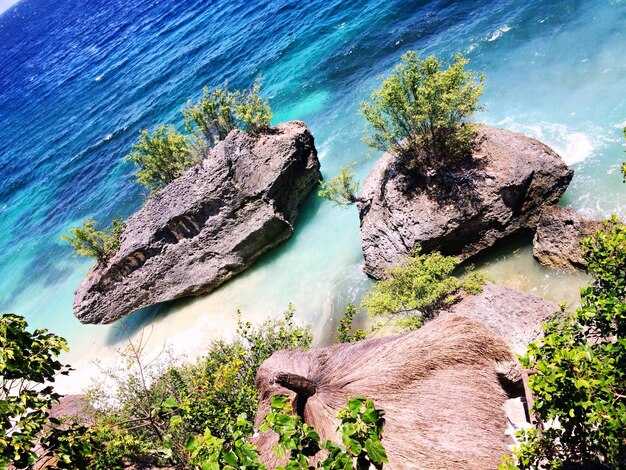
Bring a compact shade tent and arrive early to secure a family-friendly stretch along Jolly Beach, where calm, clean waters and a wide shoreline welcome kids and parents alike.
Three zones cater to families: the entrance zone near restrooms and snack tables; the mid-beach zone with palm shade, benches, and picnic tables; and the western end, which stays a touch quieter yet offers shallow pockets and gorgeous views of tropical hills beyond the water. Each area stays easy to reach from the main path, and you can switch zones between swims as the day unfolds.
- Entrance zone: easy access to restrooms, restaurants, and shaded tables; families set up here for the day and keep an eye on their little swimmers as the water stays shallow near the shore.
- Mid-beach zone: palm shade, more tables, and gear hire stands for snorkels, masks and small boards; their waters remain calm, making it ideal for beginners and children.
- Western end: quieter footprint with expansive views toward the horizon; this stretch provides the best sunset viewpoints to photograph the sky melting into tropical waters and distant hills.
Amenities to expect include clean restrooms and showers near the access path, several restaurants offering fresh tropical meals, and beach clubs where you can hire sun loungers or order drinks without leaving the sand. A mile of immaculate sand lines the shore, and tables and chairs line the beach for easy picnics. If you prefer a more comfortable base, villas and other accommodations sit within a short drive and can arrange a shuttle for a worry-free day trip.
Divers and snorkellers often head offshore from the western end to explore reefs, while beginners stay near the shore to enjoy the still-warm waters and gentle swells. The vibe remains tropical and welcoming–great for travelling families and couples alike.
Sunset viewpoints are best at the western end, where the sun dips behind the hills and casts a warm glow across the waters. Sit at a shaded bench, stroll the dunes, or grab a drink from a nearby club to capture the moment. The view stays gorgeous even after the light fades, inviting you to visit again for another memorable evening.
Reviews from travelling families highlight the balance of space and accessibility: their kids can splash safely, and adults can relax while still watching the little ones. If you’re planning a trip to Antigua and Barbuda, Jolly Beach offers an immaculate day with clean waters, family-friendly zones, and a sunset that can help you dream about your next visit. Maybe you believe this spot is a better choice for a tropical beach day–a dream trip that you’ll want to repeat again and again.
Darkwood Beach – Snorkelling access, currents and crowd tips
Recommendation: Start snorkelling at the northwest reef edge during low tide for calmer water and easier access to the reef tables; bring sandals for the rocky zone and plan a morning session to catch clearer visibility.
Currents here shift with the tide; in the morning they stay gentle near the shore, but by midday NW swells can push along the reef and create stronger channels. Stay within a few metres of the sand and watch for abrupt changes in current when you approach rock piles.
Areas to explore include the reef crest offshore, the seagrass beds to the northwest, and the rocky outcrop near the main beach. This complete guide helps you spot parrotfish, wrasse, and shy stingrays in natural habitats; this year is a great window for seeing vibrant life.
To avoid crowds, visit early morning on weekdays and head to quieter edges near the rocks rather than the central stretch. It’s a favourite choice for locals who love the calmer water; expect fewer people and more space for each snorkeler across the sand. Check tide tables before you go to pick the best window. Antigua’s national appreciation of these coastlines is part of the charm.
Equipment and safety: wear sandals until you’re in the water, apply reef-safe sun cream, and stay within 50 metres of the shore. If you want guided access, a small club nearby runs short, safe sessions; you can arrange through the front desk or by asking locals. For maps and planning, Google Maps shows the access points and the main coves; you can compare the category of spots and choose your favourite one.
In northwest Antigua you can find a Saint parish presence near there; you'll see signs and small stands where locals share tips. If you stay with a local option, a trusted guide can show you the best morning routes and the calmest coves, keeping crowds manageable and your favourite moments on the sand. You'll love this coastline, and the nature that defines this nation.
Half Moon Bay – Secluded areas, safety tips, and gear to bring
Head to Half Moon Bay early in the morning, when the powdery sand is flat and the coast is quiet; take a simple guide or map to find the various secluded areas along the coastline, including spots near Cocobay and Hawksbill.
There are several access points along the roads that lead to different areas; if you haven’t visited before, ask a guide or a local and stick to marked paths to reach secondary coves. The length of the coastline offers miles of opportunities to explore picturesque scenes and find a spot where you feel happy with the view, and some sections have been filmed in travel clips to show what to expect along the course.
Safety tips for Half Moon Bay
Check the tides and wind before you go; when currents run strong, swim only in shallow water and stay within the marked zones; never swim alone, and keep an eye on children. Bring enough water and sunscreen, and keep your valuables in a dry bag. Stay away from cliff edges, and keep to sandy, flat areas where you can move easily. Staying aware of weather changes helps you adjust plans and avoid late-day setbacks. If you plan to stay late, carry a torch and stay in safe zones.
Gear to bring
| Item | Why you need it | Tips |
|---|---|---|
| Water bottle | Hydration for long hours along the coast | Fill before leaving, and bring enough for your group. |
| Reef-safe sunscreen (SPF 30+) | Protect skin without harming marine life | Повторно наносьте після плавання; вибирайте водостійку формулу |
| Захисний одяг або легка сорочка | Захист від сонця та абразій на скелях | Довгі рукави допомагають захиститися від сонця в пізні години. |
| Взуття для води або міцні сандалі | Надійне зчеплення на мокрих або нерівних поверхнях | Взуття з закритим носком найкраще підходить для кам’янистих русел та рифів |
| Водонепроникний мішок або водонепроникний мішечок | Тримайте телефон, ключі та камеру в сухості. | Маленька 5–10 L підходить для одноденної поїздки |
| Капелюх з козирком та сонцезахисні окуляри | Захист від сонця та очей під час тривалого впливу | Легкий і компактний для зручного зберігання |
| Батончики для перекусів або легкі закуски | Підтримуйте енергію під час дослідження | Віддавайте перевагу непсувальним продуктам. |
| Рушник або швидковисихаюча тканина | Висушіться після плавання та для пікніків | Компактний і поміщається в сухий мішок |
| Обладнання для снорклінгу (необов'язкове) | Досліджуйте прибережне життя, коли вода спокійна | Маска добре сидить, а ласти не громіздкі. |