


 Українська
  English (UK)
  Русский
  العربية
  日本語
日本語  한국어
한국어  Magyar
  Türkçe
  Español
  Čeština
  Svenska
  Português
  Ελληνικά
  Suomi
Suomi  Nederlands
  Română
  Italiano
  Français
  Polski
  Deutsch
  简体中文
简体中文  Slovenčina
  Шість порад, як буксирувати як професіонал – безпечніше, розумніше транспортування">

Check your straps, rope and tow point before every tow to ensure proper set up and safely carry the rider.
Choose the location on the stern from a dedicated tow point, typically near the centreline just above the prop wash, and run the line with a straight course for wakeboarders and other vehicles on the water. Use a 65-foot tow rope for most riders; longer lines reduce pull abruptness but require careful steering.
These tips 'll help you assess the setup quickly and the mistakes avoided by good practice: inspect line wear; choose the proper strap type rated for at least 2,000 pounds; keep the rope down and clear of passengers during loading.
Think ahead while communicating with the rider: the rider knows to keep the handle high, eyes on the line, and hands at the ready. A steady, taut line reduces drift and keeps wakeboarders facing the right direction, safer than abrupt moves.
Keep speeds safe: for beginners and when learning, target 18–22 mph; for more experienced riders, 22–28 mph can be appropriate depending on weight and water conditions. Allow room for signalling, maintain a smooth course, and avoid hard turns that push the rider towards the boat’s front. After you finish, review the location of the gear and ensure all straps are secure for the next run.
Six Tips to Tow Like a Pro: A Practical Guide
Start with a concrete check: inspect the hitch, safety chains, and wiring, then run a slow, straight pull to confirm balance and security. If it looks off, re-adjust components until the front and back sit in line, feel steady, and the bars stay aligned.
Communicate with your driver and any riders behind you: use clear signals, eye contact, and planned gestures. Whatever the conditions, keep each hand on the wheel while driving and tell them what to expect as you slow, turn, or accelerate. Your signals should be obvious to others on the road.
Maintain a safe speed and brake smoothly. If you feel sway while turning, ease off the accelerator, shift to a lower gear, and re-check straps or load bars. Think like a surfer riding a wave: adjust with the motion, keep the trailer steady. If you cannot stabilise it, stop in a safe area and fix the load. This helps in crosswinds or gradients.
Balance your load around the centre of gravity, keeping it aligned with the front wheels. For your hitch type, consult the service manual to confirm sway control settings. A well-balanced setup reduces trailer sway, improves steering feel, and makes the ride easier for riders and the driver alike. If you have a hitch with sway control, engage it per the manual while the system is in use.
Practise in safe, controlled conditions to build learning. Start with light loads, then increase gradually while watching how the tow behaves during turns, braking, and passing bumps. Check tyres, wheels, and tie-downs on every stop; replace frayed straps or loose hardware before the next haul.
| Tip | Action |
|---|---|
| Prepare and secure | Inspect hitch, chains, wiring; readjusted load; confirm balance; perform a slow pull. |
| Communicate and plan | Use signals; brief riders; keep driver informed; plan turns and stops. |
| Drive with control | Maintain a steady speed; avoid sudden acceleration/deceleration; monitor sway; adjust as necessary. |
| Check gear and load | Check securing bars, straps, and tie-downs; ensure load is sitting centrally; re-tighten if necessary. |
| Handle tricky conditions | Slow down in wind or gradients; widen turns; adjust weight distribution gently. |
| Practise safely and learn | Use gradual increases in weight; check tyres and wheels; fix issues before next haul. |
Check Hitch and Safety Gear: Ball size, coupling latch, safety chains, and electrics

Use the right hitch ball size for your trailer and confirm the coupling latch is fully locked before any towing. Common sizes are 1-7/8″, 2″, and 2-5/16″. Check the coupling stamp or measure the ball diameter; the ball should fit snugly in the coupling with no wobble. Have an observer verify the latch engages and the safety pin or latch handle clicks into place. If the ball is loose or sits high, swap to the correct size and recheck.
Cross safety chains under the tow bar and attach them to solid frame rails on the towing vehicle, not to a bumper or bars. Keep chains taut enough to prevent a long drop, but allow for turning–about 4–6 inches of slack when the vehicle is straight and less when turning. Ensure chains stay clear of moving parts and tyre sides. Drivers should know to stop if chains sag or snag; this improves rear-end protection and reduces risk.
Test the electrical system before pulling: seat the plug firmly, verify a clean earth, and check all functions–brake lights, turn signals, running lights, and trailer electric brakes if equipped. Use a tester or have someone press the brakes while you observe from the cockpit or outside to confirm every function responds within half a second. If you see dim lights, corrosion on pins, or a loose earth, replace the connector and clean the contact area.
Before departure, perform a 5-minute walk-around to ensure everything is in position: tow ball tight, coupling latch locked, safety chains connected, and electrical plug seated. Check that the load sits evenly, the ride lacks sway, and never ride with loose or trailing components. This routine keeps everyone safe, boosts visibility to other drivers, and helps you ride smoothly with gradual, controlled manoeuvres rather than swift, reckless moves. For owners gaining experience, this approach reduces stress and makes pulling with confidence a shared habit among everyone on the road.
Pre-Tow Load Check: Nose weight, weight distribution, and secure tie-downs
Measure nose weight before you drive, and target 10-15% of the trailer’s loaded weight to keep the line stable during driving and braking.
- Tow ball weight: Use a dedicated tow ball weight scale or the hitch-scale method. Weigh the tow ball with the trailer loaded to confirm it lies in the 10-15% window of the total trailer weight. For boats and gear, adjust by moving items toward the hitch to increase tow ball weight or shift items away to decrease it. These adjustments prevent rear lift and improve control on bends and at speed.
- Weight distribution: Keep the heaviest items low and as close to the trailer’s axle(s) as possible. Aim for 60-80% of the cargo over the axle(s) and the remainder toward the front or rear to hit the target noseweight. Move items forward to boost noseweight if the vehicle feels light at the front; shift items back to reduce noseweight if the tow hitch sits high or the nose dips when you start to pull.
- Tie-downs and securing: Strap every major item with at least two straps, using a cross or crisscross pattern to prevent side-to-side movement. Use straps rated for your load; avoid bent or twisted webbing and protect straps from sharp edges. Check for debris around anchor points, tighten until the load seems snug but not stressed, and recheck after entering motorway speeds or after moving a short distance. This care keeps items behind from shifting and entering the danger zone where movement can lead to sway or a loss of control.
While you prepare, consider these points: verify all safety chains and lighting are available and functioning, ensure the coupler is clean, and confirm the load stays centred behind you as you drive. Whatever the cargo, this pre-tow check is your best opportunity to prevent surprises on the road and maintain a stable, confident pull.
Mirror Setup for Visibility: Proper adjustment and spotter placement
Adjust your mirrors so you've got a full view of the trailer and the traffic around you, then check they're right by turning the wheel a touch and making sure both sides stay in view.
Adjust the interior mirror first so you can see the cab and a portion of the road behind you, then move the driver-side outer mirror outwards and downwards until the trailer’s rear wheels are visible at the edge of the glass; repeat on the passenger side, ensuring no blind spots remain along the trailer line.
Place the spotter behind the vehicle at the rear corner, about 5–6 metres back, with a clear line of sight to your mirrors; on dock work, position the spotter near the dock edge to cover exit paths and pedestrian zones. A tube-style mirror arm or a compact, low-profile mount helps keep the spotter in frame without cluttering your cabin view.
Establish crisp communication before moving: agree on signals for go, slow, and stop, and keep chatter to a minimum while manoeuvring; the spotter should guide you to maintain a safe line, and you must acknowledge each instruction to maintain knowledge and trust between you and someone on the ground, whether it’s a service crew member or a friend on the course.
Practise with a controlled course that simulates real-world towing, including narrow turns and dock approaches; have Travis emphasise checking rear corners and watching for motorbikes or cyclists in adjacent lanes, then compare your feedback with a baseline to improve accuracy; after repetitions, you will start to rely on correct mirror alignment, proactive hand signals, and consistent line-of-sight checks, which reduces risk and keeps the crew’s focus on safety and performance, not just getting the load moving. Must keep the speed low and slow down early for tighter turns, making sure the mirrors stay aligned and the line remains obvious to the spotter and driver, whatever the load size may be.
Safe Driving Tactics: Keep your distance, anticipate turns, and brake smoothly
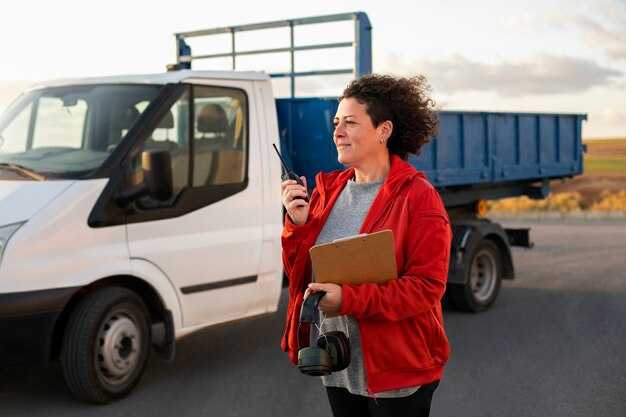
Maintain at least a two-second following distance behind the vehicle ahead; increase to four seconds in rain, snow, or low visibility to prevent hard braking and trailer sway. On motorways this usually means roughly 150–180 feet (45–55 metres) of space at 60 mph; at urban speeds, a two-second gap covers about 2–3 car lengths depending on vehicle size. Just stay aware that distance is your first defence against sudden moves from traffic behind you.
- Distance and spacing: use the two-second rule as a baseline, then add two more seconds when towing or carrying a heavy load. If traffic is heavy or you’re following motorcycles or bikes, extend the gap to 4–6 seconds to account for unpredictable braking or lane changes by others behind you.
- Anticipate turns: scan ahead for light changes, indicators, and any merge points. Identify potential hazards at least 12–15 seconds in advance and adjust speed early to smooth the approach, instead of braking hard at the last moment.
- Braking technique: press the brake pedal smoothly with progressive pressure to avoid locking the wheels; if you feel ABS engage, maintain steady pressure and steer calmly. When towing, braking will be more gradual, so plan for longer stopping distances and avoid abrupt pulls on the wheels or load.
- Load and safety checks: before pulling out, confirm cargo bars are secure and the load isn’t shifting; if anything looks bent or loose, stop and re-adjust it promptly to prevent shift behind the wheels later in traffic.
- Signalling and communication: use signals early and clearly to tell drivers behind you what you intend to do; even in slow traffic, consistent signalling reduces close following and helps others react sooner.
- Road user awareness: give extra space to motorcycles and bikes, especially near exits or when lanes merge; their stopping and turning can be more abrupt than cars, and they may lane-filter when traffic is slow.
- Speed management: slow smoothly through bends and on descents; engine braking and gentle throttle control reduce heat in the braking system and maintain vehicle stability during a tow.
- Environment and gear: keep distractions to a minimum – lower music volume, focus on the road, and use proper gear or transmission technique to stay in control during starts, stops and pulls.
- Experience and safety mindset: with more experience behind the wheel, you’ll recognize risk points sooner and respond with calm, deliberate actions that support safer towing, whatever the load.
Practice and Clear Communication: Routine drills and coordinating with riders/trailers
Start every tow with a 5-minute routine to align signals, confirm hitch alignment, verify ballast, and inspect gear.
Define a compact signals vocabulary and practice it under load: a palm open to stop, a flat hand to slow, and a nod to go.
Set a shout-call for each step: pull when starting, pause when riders are ready, and clear when the path is open.
Schedule routine drills with riders and trailers in a controlled area: simulate mounting, braking behind, and parking.
Use ballast to mimic different loads and adjust the ballast amount to keep wheels planted.
Record outcomes, note which signals caused confusion, and refine the script.
Riders training: teach wakeboarders and other riders to keep space, avoid sudden pulls, and keep transport smooth.
Gear and vehicle checks: inspect bars, hitch, tires, and brakes before each run; calibrate driver response.