


 Українська
  English (UK)
  Русский
  العربية
  日本語
日本語  한국어
한국어  Magyar
  Türkçe
  Español
  Čeština
  Svenska
  Português
  Ελληνικά
  Suomi
Suomi  Nederlands
  Română
  Italiano
  Français
  Polski
  Deutsch
  简体中文
简体中文  Slovenčina
 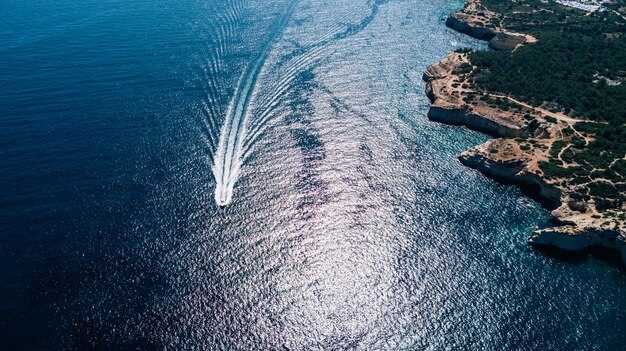 Sardinia Sailing Itinerary – The Ultimate 7-Day Coastal Route">

Begin with a 7-day coastal loop that starts in Olbia and heads towards La Maddalena, giving you a first taste of Sardinia’s azure bays. Hire a capable boat for 2–4 guests, keep daily legs in the 20–35 nautical mile range, and you’ll enjoy a pearl-like mix of coves, charming town squares, and calm anchorages.
From Olbia, sail a sheltered leg to La Maddalena, where you can swim in turquoise water and explore the old town’s marina. In the afternoon, visit Caprera with its pine forests and quiet coves, or swing to Santa Teresa di Gallura to stroll the waterfront, pop into a portside bakery, and sample handmade gelato while chatting with locals visiting the harbour.
Continuing along the northern arc, anchor near Porto Cervo and Cala di Volpe, then ease towards the eastern Gulf of Orosei. A swim in azure coves, a stroll through a sunny town square, and snorkelling around shipwrecks tucked into sheltered reefs add intrigue to the day.
As you head towards the southern coast, drop anchor near Cagliari’s historic harbour and wander the maze of alleys in the Castello district, with nearby tavernas offering fresh seafood. A morning market, a lunch of bottarga, and an afternoon sail towards Villasimius or Costa Rei deliver exceptional scenery and calm water. For a final touch, anchor near Portoscuso at sunset and observe the rocky headlands glow.
With a number of routes and time-saving options, this itinerary fits a range of wind patterns and sea states. Where you anchor, nearby towns invite you to stroll the waterfront, sample seafood, and plan a second visit. The southern leg reveals a different mood–hushed coves, rugged cliffs, and sunsets that feel like a pearl in a marine canvas. If conditions shift, have a backup plan and adjust to a sheltered bay; the day doesn't have to follow a rigid map, and that makes the route truly intriguing.
Sardinia Sailing Itinerary
Begin with the La Maddalena archipelago for a sheltered, special start that yields easy anchorage and a network of marinas.
-
Day 1: Olbia to La Maddalena archipelago
- Sail along the north-east coast into protected waters, choosing Cala Gavetta or Cala Spalmatore for a calm first mooring.
- Explore the medieval town of La Maddalena and Caprera, soaking up the ambience and recording a few clear waypoints for them to reference later.
- Ask Giuseppe down at the marina for help with weather checks and the best routes along Sardinia's coast.
-
Day 2: La Maddalena to Bonifacio (Corsica)
- Cross the pass to Bonifacio, keeping an eye out for currents between Sardinia and Corsica.
- Dock in the French-influenced harbour, where the backdrop of white cliffs and ancient walls frames a striking scene.
- Whilst you stroll through the old town, enjoy fresh seafood and the quiet ambience before the next leg.
-
Day 3: Bonifacio to Lavezzi
- Head toward Lavezzi, a protected marine area with small, intimate anchorage options amongst the islets.
- Stick to short hops between coves to minimise wake and maximise sheltered time in crystal water.
- Use a mark on the chart for a late-afternoon stop and enjoy the stillness above the seabed.
-
Day 4: Lavezzi to southeast Sardinia (Villasimius / Costa Rei)
- Proceed southeast along the Sardinian shore, selecting a stop in Villasimius or the Costa Rei marinas for a lively yet protected base.
- Enjoy the ambience of seaside tavernas and local shops, then settle into a quiet anchorage for the night.
- Note how the coastal roads frame distant hills, giving a sense of continuity between sea and land.
-
Day 5: Villasimius to Cagliari
- Slip into Cagliari's marinas, where a sheltered harbour awaits and town life is an easy reach by tender.
- Stroll through the Bastion and marina area, sampling seafood and stopping at shops along the water’s edge to bag souvenirs.
- Keep a flexible schedule to catch a sunset over the Poetto backdrop, then rest in a protected anchorage nearby.
-
Day 6: Cagliari to Golfo di Orosei (Ogliastra)
- Plot a course north to the Gulf of Orosei, with standout anchorages near Cala Luna or Cala Goloritzè when conditions allow.
- In the afternoon, drop anchor near secluded coves and savour the marine clarity and rugged coastline.
- Adjust plans if sea levels rise; this segment rewards patience with calmer water and dramatic scenery.
-
Day 7: Golfo di Orosei to Olbia or return loop along Sardinia's east coast
- Return towards Olbia by following the east coast’s bays and roads, stopping at a final anchorage to celebrate the week.
- Review the chart, make notes for a future mark, and reflect on the week’s highlights across the Sardinian coast.
Last-leg start point, optimal departure time, and routing for Friday
Depart Cala Gavetta, La Maddalena, at 08:50 local time. Sail north-east along the protected front of the maddalenas archipelago, avoiding the lavezzi shoals to the south, and steer towards Porto Cervo to follow the coast. This choice delivers a scenic, dazzling backdrop of cliffs, coves, and shimmering water, with the afternoon sun creating beautiful colour on the shorelines.
Distance Cala Gavetta to Porto Cervo: 40-45 NM. Target 6.5-7.5 hours at 6-7 knots; ETA around 15:20–15:45. Mark Capo Ferro as the turning point, then continue along the coast to Porto Cervo marina for a lunch and fuel break before the next leg.
The Porto Cervo to Olbia leg runs 25-30 NM in 4-5 hours at 6 knots, with an ETA near 19:30–20:00. Dock Olbia by 20:00, enjoy dinner ashore at a locally-sourced spot, and let the community vibe set the tone for the final evening. The route keeps you close to sheltered coves and ports along Costa Smeralda, exposing a beautiful and shimmering maritime backdrop.
For years, patient weather checks help you stay in sheltered waters, and strong gusts often ease by the afternoon. If wind shifts, shorten the leg to Porto Cervo or swing directly into Olbia’s outer harbour; also keep a backup stop at Golfo Aranci. Carry a small book for notes on marks, tides, and timings. This plan pairs Maddalena's charm with Olbia’s ports, presenting two worlds of beauty and practicality, and ends with a dinner that highlights locally caught seafood.
Final-night mooring options: harbours, tides, and docking tips
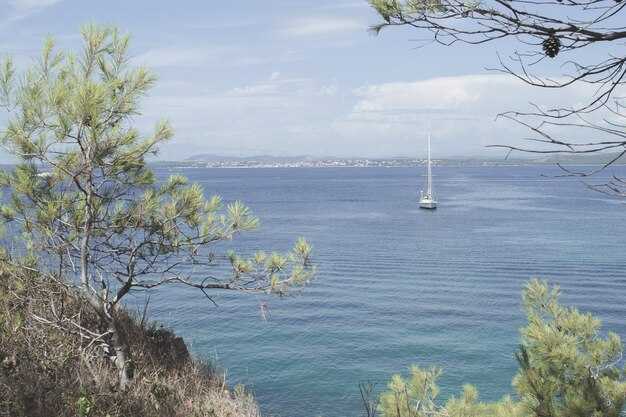
Pick a sheltered harbour for your final night–Olbia or Golfo Aranci are solid, easy-to-reach options that keep seas calm and docking straightforward. This choice will give you quick access to water, fuel, and a delightful boutique dining scene, plus a centre of shops and caprerabudelli tasting rooms along the quay. The utmost priority is shelter from swell, so prioritise harbours with solid breakwaters and marina staff who can help if you arrive after hours.
If you crave a coastal cruising vibe while staying sheltered, target inner harbours such as Porto Rotondo or Santa Teresa di Gallura. The guardia costiera can confirm slip numbers and tide windows, and many harbours offer reserved berths for late arrivals. On Tuesday and Saturday evenings, some marinas report lighter traffic, which makes final-night stays calmer and easier. From these places you can stroll to intriguing waterfront boutiques and enjoy a glass of local wine. Some locations also offer caprerabudelli tastings and other small delights you can savour after docking.
Tides in Sardinia stay modest, but you still need to time your approach. Plan arrivals near slack water if possible and verify with the marina centre before you depart, as a calm entry reduces risk of contact with other vessels. Use the local tide table and wind forecast to predict swells above the quay; this information helps you select the best berth. A quick check at the centre will also help you locate a protected slip near the centre of the marina.
Docking tips for the final night: approach slowly from the seaward side, align with the fingerprint, and keep a short, steady swing if gusts arrive. Deploy soft fenders and angle two lines to bow and stern cleats, plus a spring line to control drift. Call the guardia or the marina office when you’re five minutes out so staff can guide you to the right slip. In protected harbours, berths are available for visiting yachts; verify depth and clearance with the dock master before you tie off. In most harbours, berths accommodate average cruising yachts; confirm the slip size with the centre desk to ensure a smooth fit.
Once you've secured the boat, stroll to the quay for a breathtaking sunset and a delightful finale. Keep an eye out for creatures–seabirds and crabs scuttling along the pilings–and savour hatt en pastries with caprerabudelli at a sea-front boutique. This experience, from the intriguing market to the quiet harbour lights, offers a memorable end to a coastal cruising itinerary. vivre the moment, this final night in Sardinia will stay with you long after you depart the places you visited.
Weather, wind shifts, and safety checks for Day 7
Check the 48-hour forecast and set up a contingency plan for wind shifts on Day 7, then secure one reliable mooring in a protected bay before the first gust arrives.
Day 7 runs along the northeast side of Sardinia with Corsica nearby; the mediterranean breeze shifts throughout the day, and funnel effects between headlands can tighten gusts. Corsica boasts rugged coastlines and famous rock formations that concentrate wind in narrow channels, so expect wind shifts near shore and gusts that can surprise a line of moorings. The francese coast adds micro‑currents that can alter boat speed on small triangles of water, so plan for changes that affect both sides of the boat.
In the morning, anticipate a north-easterly tilt around 12–18 knots, rising to 18–25 knots by midday, with occasional gusts to 28 knots in sheltered channels. By late afternoon the wind can back towards the south-west or west as thermal heating builds, which changes the sail plan and requires quick reefing. Those shifts create brief lulls suitable for sunbathing on deck, but they also demand steady vigilance when approaching rocks, bays, and protected harbours that often double as sheltered flotilla moorings.
Safety checks flow from the forecast into action: verify that all crew members wear life jackets when gusts sharpen, secure harness lines for those on deck, and keep a tether ready near the helm. Maintain a ready weather watch with VHF on channel 16 and a backup handheld radio, because timely alerts save moments if a shift comes quickly. Conduct a quick engine check and confirm steering responsiveness, bilge pump readiness, and sail‑trim reef lines; changed conditions require fast sail alterations and clear communication among crew on every person onboard. That thats why a compact, practiced routine matters more than a lengthy plan.
When planning manoeuvres near the line of coast, identify protected pockets ahead of time and note which are suitable for the flotilla’s anchor strategy. The most famous coves offer calm water for sunbathing breaks, but only after you verify shelter against the current and wind shift. Use marked moorings and established approaches in those protected areas to reduce risk for the group, and keep an eye on reef points and rock ledges that form hazardous sides if the forecast sharpens.
| Checklist item | Details | When |
|---|---|---|
| Weather and wind shifts | Monitor NE 12–18 kt morning, gusts 28 kt in channels; watch for shifts toward SW/WSW later in the day; funnel effects near Corsica coastlines | Morning to afternoon. |
| Moorings and flotilla plan | Confirm protected bays, verify available moorings, pre-tie fenders, coordinate line handling for multiple vessels | Before departure |
| Захисне спорядження | Life jackets on all guests, harnesses ready, throwable device, VHF handsets charged | Pre-sail and during voyage |
| Navigation and communications | Charts of northeast Sardinia and Corsica funnel areas; AIS/GPS checks; channel 16 standby | Ранок |
| Boat systems | Engine check, steering, sail reefing lines, bilge pump test | Pre-sail |
| Crew readiness | Allocate roles for wind shifts, confirm line handling duties, brief on sun safety and hydration. | Before setting sail |
Navigation waypoints: precise track, landmarks, and timing for Friday's sail
Depart Alghero marina at 08:00, head 306° along the west coast, stay 1 NM off the shore for safety and to keep seabirds on the bow. Use these waypoints to keep a precise track, with landmark checks, and ETA windows that suit a relaxed yet efficient day on the water.
- WP1 Capo Caccia Lighthouse – distance 9 NM, bearing 306°. Landmark: white lighthouse perched on the cliff; the headland looked dramatic as dawn brightened the rock. ETA 09:30 at 5.5–6.0 knots. Notes: pass 0.8 NM offshore to avoid rocks; adjust for wind shifts.
- WP2 Isola Piana west entrance – distance 8 NM, bearing 288°. Landmark: Isola Piana with shallow shoals on the approach. ETA 11:00; speed 5.5–6.0 knots. Notes: confirm safe water with depth sounder; watch for fishermen’s lines near slack water.
- WP3 Porto Conte headland – distance 6 NM, bearing 296°. Landmark: pine-covered cape, with the small marina of Porto Conte in sight. ETA 12:15; speed 5.5–6.0 knots. Notes: sheltered water ahead; prepare for lunch stop if needed.
- WP4 Cala Reale Cove – distance 5 NM, bearing 281°. Landmark: the cove’s white-sand beach tucked between cliffs; ideal for a basic sunbathing break. ETA 13:45; speed 5.0–5.5 knots. Notes: anchorage or mooring on the west side; check tidal current.
- WP5 La Pelosa approach (Torre della Pelosa) – distance 14 NM, bearing 265°. Landmark: Torre della Pelosa and iconic white sands. ETA 16:00; speed 5.5–6.0 knots. Notes: reserve a mooring if wind shifts; sunset looks great over the water; optional stop for a short swim or a visit to the resort lights for an evening highlight.
The route offers architectural cliffs, such as Capo Caccia, and such rugged charm that the coast looked especially inviting. The wind from the west helped you head smoothly along the coastline, beyond basic sailing, to a sleepy, scenic end at La Pelosa. This plan keeps everyone comfortable and safely aboard, with insurance and charter considerations checked before departure. If a meeting moves to Tuesday, adjust the times by about 30 minutes to accommodate all crew and keep the schedule tight for all involved. The outlook includes sunbathing, seabirds circling the bow, and an evening that resonates with Northwest Sardinian charm–highlights that everyone can enjoy, visit, and remember around the headland, with sails steady and spirits high.
Onshore finale: dining, sunset spots, and photo opportunities after docking
Anchor in a sheltered marina and walk to a waterfront dining terrace for a superb, francese-inspired seafood supper that makes the onshore finale truly exceptional. Marinas along the coast host similar options, so you can pick the vibe you like.
Pick a sandy terrace close to the marina, one with a green glow from lanterns and an uninterrupted view of the water. In Italy's southeast coast marinas, look out for spots that combine lush garden settings with a sea breeze; order grilled dorado with lemon and a francese beurre blanc, then round it off with a panna cotta. A crisp Vermentino from the region goes better than a heavy red, particularly after an offshore passage. For a recommendation, I'd suggest choosing a table with water reflections.
Sunset spots: For sunset, aim for a green promontory along the southeast shore or the marina’s western quay, where the star colours bloom and the views stretch toward the worlds beyond. Photography fans will appreciate the long silhouettes and gentle light.
Photo opportunities after docking: capture reflections of the hull on the quay, frame the ancient watchtower behind the lush coastline, and use the anchor as a silhouette against the glowing water. Shoot exactly at blue hour from the end of the dock toward the southeast to include a few star points and the worlds in the distance.
Spend the closing hours with your skipper and a handful of sailors; they'll share tips for better angles and timing. Take a short stroll toward capo viewpoints along the cape’s edge for dramatic frames, or stay on the dock if you prefer the glow of marinas. If you want swimming, choose a sheltered cove; offshore breezes keep the air fresh as the lights come up.