


 Українська
  English (UK)
  Русский
  العربية
  日本語
日本語  한국어
한국어  Magyar
  Türkçe
  Español
  Čeština
  Svenska
  Português
  Ελληνικά
  Suomi
Suomi  Nederlands
  Română
  Italiano
  Français
  Polski
  Deutsch
  简体中文
简体中文  Slovenčina
  Portorosa Sicily Sailing Itinerary – The Ultimate Guide to Western Sicily Cruising">

Base Portorosa for this suggested western Sicily sailing holiday. Use it as your hub for a flexible loop towards Filicudi and Lipari, with reliable shelter, easy provisioning, and calm mornings before you head into open water today.
From Portorosa you ride the winding lanes of the Tyrrhenian coast, with the wind behind you and the sea ahead. Plan an early start to reach Filicudi before the heat of noon, and leave yourself time for a splash or a reef pass if the weather has changed during the night.
Filicudi rewards careful planning with sheltered bays, crystal-clear water, and sea caves accessible by dinghy. Anchor near Pecorini or along the western shore to explore its tonnarella ruin and watch the last light fade over dramatic cliffs; a quick dip is especially refreshing.
Next, sail to Lipari for markets, harbour life, and volcanic scenery. The lanes around the quay bustle with locals selling olives, citrus, and fresh seafood; stay long enough to sample shellfish and then refill freshwater at the marina. If Lipari seems crowded, Salina offers calmer anchorages and views that are nicer than you expect, with basil and tomatoes that taste sweeter than on the mainland, and evening strolls along the waterfront.
On the last leg back towards Milazzo or Capo d’Orlando, summon a taxi for provisioning in town and a quick walk along the old fortifications. For a 5–7 day plan, allocate four anchorages, stay flexible as winds shift, and let the sailors decide which hidden bays offer the finest things to do at sunset away from the crowds.
Practical Breakdown for a Portorosa to Western Sicily Cruise
Book an early-morning start from Portorosa to catch calm seas and a quiet harbour; in the wake of dawn you reach Favignana for a warm swim at spiaggia Cala Rossa and an authentic dip before the winds pick up.
Travellers should follow this best-practised pattern: sail mornings, anchor by early afternoon, and spend cool hours ashore. This keeps you refreshed for night moorings and avoids crowded harbours.
Kate will remind you to stay flexible: keep your berths booked, but stay ready to swap stops if a favoured cove looks better at first light. Armstrong, a seasoned sailor, adds that checking the forecast twice daily and keeping a simple plan will cut stress and make the days spent on deck more fantastic.
Anchorage strategy centres on lee shores with good holding and easy stern lines. Only bring the essentials to the boat to maintain deck space for swimming gear and spare lines. Springs should be rigged so you can adjust the boat to rolling seas without waking the crew in rough weather. Sailors who plan the night in sheltered bays report warmer evenings and less motion, which helps visitors sleep and wake ready for another day of exploring.
| Stop | Distance (nm) | Typical Time (h) @ 6–7 kn | Anchorage Tips | Примітки |
|---|---|---|---|---|
| Favignana (from Portorosa) | 28–34 | 5–6 | Sheltered south coast near Cala Rossa; pick a calm night if you can | Ace swimming; plan an evening wake to enjoy sunset silhouettes; visitors will love their first taste of Western Sicily |
| Levanzo | 10–16 | 2–3 | Quiet coves along the west shore; use stern springs for steadying | Short hop, great for a relaxed afternoon swim and a warm meal ashore |
| Marettimo | 16–22 | 3–4 | Sheltered bays on the north coast; protect from sirocco with an exposed reef nearby | Fantastic snorkelling; second-largest anchorage option in the archipelago gives a comfortable night if winds shift |
| Trapani | 28–40 | 5–7 | Harbour within easy reach of provisioning; consider a quick road run to the fish market | Gateway to western Sicilian cuisine; best for a longer stop with a city night |
| Palermo | 90–110 | 16–20 | Palermo port or nearby Cala Marina; verify pilot charts and harbour regulations | The food scene's massive for travellers; best book ahead if you're planning a day in port. |
Leaving Favignana and beyond, plan two clear overnight legs and reserve a day for the best beaches and quiet coves. Mount a quick tender ride for a sunrise swim, and always check shore access rules at each stop so you stay respectful to locals and staying boats. The route is filled with authentic coastal landscapes, and you’ll find warm waters and fantastic dining along the way.
Your crew gains momentum with each harbour, and the itinerary can bend to conditions and your group’s mood. By staying flexible and packing light, you’ll discover why this coast remains a favourite for visitors and sailors alike, with sunlit days that linger into night and a rhythm that invites you to spend more time on deck.
Day-by-Day Leg Planning: Distances, Timing and Overnight Stops
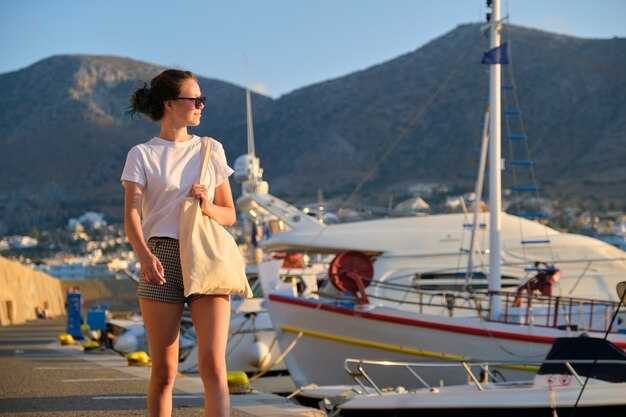
Begin Day 1 with a 38–40 NM hop from Portorosa to Castellammare del Golfo, targeting 6–7 hours of sailing at a steady pace. The refreshing breeze tends to rise mid-morning, letting you head in with daylight remaining. Overnight in Castellammare del Golfo harbour, where a wonderful evening stroll along the waterfront leads to peppers on a seafood-focused menu at a local star restaurant. This base leg is listed as the recommended start in the itinerary.
Day 2 takes you Castellammare del Golfo to Trapani–roughly 28–34 NM, about 4–6 hours depending on wind. Start after breakfast and weave along the coast, keeping a steady course to the west. Dock near Trapani’s old town to enjoy a beautiful sunset over the salt pans and the tuna market. Evening events or a casual aperitif in the marina are easy to arrange. Overnight in Trapani; use a central base to ease morning departure for Day 3.
Day 3 covers Trapani to Favignana–about 18–25 NM, 3–5 hours. Depart after a hearty breakfast and reach Favignana by midday. Spend the afternoon snorkelling at Cala Rossa or Cala Azzurra, then take a short hill hike to a vantage point above the town. The island’s form and coastline weave a brilliant backdrop for island wandering. Stay in Favignana’s marina; two nights here help you savour the next leg of the itinerary.
Day 4 ferries Favignana to Levanzo–8–12 NM, 2–4 hours. Morning breeze makes for an easy hop to Levanzo. Anchor near the village or in a sheltered cove, then spend the afternoon snorkelling in crystal-clear water and exploring hillside trails with a gentle hill climb for views over the channel. An evening on the quiet pier offers a refreshing contrast to busier ports, with peppers showing up in a simple, seafood-forward dinner by the water.
Day 5 routes Levanzo to Marsala–25–35 NM, 4–6 hours. Set a course along the western coast, arriving mid-afternoon. Base in Marsala to wander the historic centre, visit a cantina to sample the local wine, and enjoy a sunset walk along the waterfront. The dining options include a star restaurant that highlights fresh seafood and local produce; a brilliant memory forms as you savour a glass of Marsala with the sea breeze. If time allows, a brief snorkelling session in the shallow bays completes the day; there are often events listed in the marina bulletins.
Optional detour for Rinella: If you extend to the Aeolian Islands, stop at Rinella on Salina for a sheltered night. The next morning, a short hop to Lipari yields a full island loop before returning towards Portorosa along the coast, weaving together a complete programme with hikes and snorkelling opportunities. This extension adds a refreshing twist to the itinerary and can be planned for next time on the water.
Anchorage, Mooring, and Docking Options in Salina, Lipari, and Stromboli
Start with Rinella, Salina, for a dependable, consistent anchorage that keeps your crew calm before you sail to Lipari and Stromboli.
Salina offers two practical options: Rinella’s sheltered waters near the main harbour, ideal when winds shift from the north, and Pollara, a little bay with a stunning setting that works well in calm seas. If you need mooring buoys, check with the local fishermen’s association ahead of time, and always verify bottom quality and depth with the harbour master. You can enjoy a delicious lunch ashore at an agriturismo near the hill towns, then return to the boat with fresh provisions and a brilliant sunset to cap the day–everything feels easy when the wind cooperates.
In Lipari, choose Marina Corta for proximity to the old town, fuel and water, and easy access to provisioning. If you prefer more buoy space, Marina di Lipari (the larger harbour on the east side) offers longer berths and better protection from sirocco, though it can be busier. Both harbours handle bareboat charters well, and you’ll often find crews ashore sampling vibrant seafood dishes and Neapolitan-inspired pizzas after a day on the water. Make sure you’re listed with the harbour master to secure a slip or buoy, especially in peak season; otherwise you’ll be left circling with the plots of crowded yachts and advertisement boards overhead.
Stromboli presents a different rhythm: Porto di Stromboli handles limited berths, so many sailors alternate between the protected harbour and a land-based option in the little isle of Ginostra or Cala di Ficogrande. If you plan to anchor off Stromboli, prefer Cala di Stromboli or the area near Punta Lazzaro when winds are favourable, and land using a dinghy for landings. Because of the volcano, currents and sudden gusts can surprise you, so always check the latest notices and keep a spare anchor as a backup. You're best off booking ahead during high season and coordinating with the local coastguard for safe entry paths and docking options near the volcanic coast.
Practical planning tips: during the pandemic era, some harbours require pre-arrival confirmations and health declarations; always call ahead to confirm mooring availability and any limits on guest numbers. For bareboat crews, carry updated charts, a robust anchor kit, and a reliable VHF channel to contact the harbour master. On all three islands, consider a staggered schedule to avoid peak times and enjoy consistent access to services, fresh seafood, and friendly help from Sonia and other local skippers who know the best anchorage angles, the little details of tides, and where to drop lines without disturbing nearby reefs.
Food and stay options enrich the cruise: on Salina, pick an agriturismo with garden-fresh produce and delicious regional dishes; on Lipari, sample fantastic local dishes–including Neapolitan-inspired touches–at waterfront eateries that love to showcase fresh fish. The largest harbours on Lipari make it easy to resupply and plot future legs, while Stromboli’s volcanic backdrop adds a brilliant, ever-present soundtrack to every sail. If you need a compact itinerary, you could sail Rinella → Lipari (Corta or Lipari) → Stromboli, then adjust for weather and currents. This route keeps the experience consistent and enjoyable, avoiding crowded spots and keeping you close to reliable services, whether you’re a seasoned bareboat captain or a first-timers’ crew looking to savour the islands’ iconic foods and volcanic scenery.
Waypoints and Scenic Highlights: Salina to Panarea and Stromboli
Anchor at Santa Maria, Salina, for a refreshing swim in clear water and a first briefing on the route ahead. Tie a short stern-to near Pollara’s shore and enjoy the fine light over the vented coast as Monte Fossa delle Felci rises inland. This Leg sets a desirable pace for a solo cruise or a relaxed family voyage today, with straightforward moorings and a solid plan.
- Salina (Santa Maria to Pollara) – a 5–7 nm hop. Stop for a solo swim in sheltered waters, then explore Pollara’s hidden crater bay. The coastline shows the deposito of ancient eruptions and a calm, easy approach into the lee. A brief walk to the lookout over the island’s Monte Fossa delle Felci adds culture and a clear perspective before you depart.
- Panarea (San Pietro, Cala Junco) – about 5–7 nm from Salina. Drop anchor off San Pietro or Cala Junco, where the water stays fine and the waterline reveals white (bianca) houses along a refined shore. Visit a small island museum if time allows, and check in with a local guide to learn their history and craft. The hidden coves near Cala Junco reward a dinghy excursion, and the long, smooth coast invites a relaxed stroll along the quay while you plan the next leg.
- Stromboli (Sciara del Fuoco view, Scari or Ginostra) – a longer leg, roughly 10–12 nm depending on wind. Approach Stromboli’s north coast to keep seas gentle, then anchor near Scari or Ginostra for shore access. In the late afternoon or after dark, the yellow glow from the crater offers a dramatic scene you won’t forget. Optional sunset walk to vantage points above Sciara del Fuoco provides a practical, unforgettable finale; later, a short tender ride back to the boat seals the experience. A quick visit to a small museum on the island deepens your understanding of local culture and volcanic activity.
Practical notes: plan a thorough check of weather and currents before the long crossing to Stromboli, and keep a deposit for moorings in Panarea if you plan to stay overnight. The islands cluster together, offering better shelter if you align with a longer, quieter stretch of water and save the busy harbour for the last day. Today’s route balances water clarity, cultural stops, and the opportunity to swim along hidden coves, making this stretch a true highlight of your Salina–Panarea–Stromboli itinerary.
Weather Windows, Currents, and Safe Sea-State Considerations
Plan your Portorosa to west Sicily legs in May or September to catch reliable mornings, light to moderate westerlies, and seas favourable along the shore. This window suits exploring Filicudi, Canna, Vulcano, and the other bello spots of Italy's west coast with a relaxed pace.
Weather windows
- Core windows: May–June and September–October yield winds mostly 8–18 knots from west to northwest and sea state 0–1.5 m along the shore.
- Daily timing: start after dawn; expect an afternoon seabreeze building gradually to 12–20 knots, letting you select legs that flow with the breeze between Portorosa and Favignana or Filicudi.
- Forecast discipline: check ARPA Sicilia and marine forecasts on Windguru or Meteo.it for 48 hours ahead; call the harbour master for updates; kate recommends keeping a small buffer in your schedule.
- Logistics: coordinate boat bookings early; secure berths and deposits in ports in advance; plan a backup plan for a shore stop if conditions shift.
Currents
- Egadi archipelago: in calm periods currents run light (0.5–1.5 knots) around Favignana and Levanzo; in windier conditions they can reach 2–3 knots along the north coast, so plan hops to leverage the flood when heading east.
- Aeolian passes (filicudi, canna, vulcanos): currents are more variable; typically 1–2 knots, with bursts to 3–4 knots when winds align with channels; time passages between islands in daylight and monitor local reports to stay safe.
- Local eddies and deposits: watch for features near zotta and other headlands; they can slow a leg if you cut corners and stay close to shore.
- Tips: use the current to your advantage on longer hops, but stick to sheltered routes if the wind shifts toward the volcanoes or other rocky coastlines.
Safe sea-state considerations
- Weather thresholds: keep open-water legs to sea-state 0–3; avoid crossing open channels in sea-state 4+ or when gusts exceed 25 knots; sirocco days can push seas higher along the west coast and around the volcanos to 2–3 m.
- Gear and crew: ensure wearing life jackets when underway; secure deck gear; run a thorough pre-departure briefing for flotilla; a therapeutic ritual of checking gear helps the crew stay calm.
- Navigational prudence: prefer daylight passages through exposed channels; keep a watch for swell and currents; have a contingency plan to call at the nearest port if conditions deteriorate.
- Port operations and costs: check deposit requirements for berths, particularly in small ports like those near Filicudi or Zotta; book with boatbookings to avoid last-minute stress; plan shore days to unwind.
Between the west coast and Aeolian islands, a well-timed window keeps the sailing truly enjoyable, with refreshing views and opportunities to explore the shore. Italy's west coastline offers a string of sheltered bays and anchorages to savour, from Cala del Porto to the shores near Zotta; this route is designed for a relaxed flotilla pace, where you can enjoy the bella scena of the islands and keep the crew engaged with exploring and sailing. A thorough prep, a flexible plan, and a steady call to the port in advance make the trip Bello.
Provisioning, Safety Gear, and Local Regulations for the Route
Stock three days of aqua and fine provisions at Portorosa before departure; a happy crew starts rested and well fed.
Provisioning: build a nimble plot for a Sicily summer itinerary, focusing on non-perishables plus fresh accents from northeast markets. Keep a large coolbox filled with pasta, olives, cheese, tinned tomatoes, bread, and fruit, plus room for a caponata or two to enjoy on spiaggia breaks. Pack a compact stove or grill, a supply of disposable utensils, and a few tins of tuna or sardines for quick meals when seas are lively. Include a few energising snacks, a small bottle of olive oil, and a reliable coffee setup to keep morale high during long hops between harbours. For long hops, mix in light, easy options so meals stay balanced and tasty, and plan a couple of meat-free nights to balance the plot.
Safety gear: everyone aboard wears a life jacket when underway; keep a spare jacket ready for the cockpit. Equip two fire extinguishers rated for electrical and galley fires, a throwable flotation device, a first aid kit, and a well-stocked knife kit. Have a functioning VHF radio with DSC and a backup handheld unit, plus up-to-date nautical charts and a compass. Carry flares or pyrotechnics in a dry case and an EPIRB or PLB for longer hops along the northeast coast. Include a bilge pump, a manual hand pump, and a few fenders to protect boats at mooring. For snorkelling sessions, bring a mask, snorkel, fins, and a spare set for the crew to ensure everyone can enjoy hidden coves and reef pockets in calm summer motion.
Local regulations: carry valid boat documents, insurance, and proof of ownership on board; keep copies accessible in case of inspection near ports like Portorosa and Capo d’Orlando. Skipper should hold a recognised qualification for coastal sailing; when using VHF or DSC, comply with local licensing requirements or operator rules. Some protected zones require permits or special notices before anchoring near spiaggia or near notable faraglione formations; check port authorities or marina staff for current guidelines. Adhere to coastwise speed limits, respect wildlife and nesting sites, and avoid anchoring in restricted seabeds. Marina offices in the north-east can provide up-to-date advisories on where to dock, what to observe, and any seasonal closures that affect your itinerary.
Route highlight: the northeast Sicily stretch offers magnificent coastlines, hidden coves, and gems like dramatic rocky outcrops and nearby spiaggia coves. In summer, first light over the blue water opens views of faraglione stacks and quiet bays where a snorkelling break can become the highlight of your day. Plan stops where you can see local fishermen at work, sample caponata at a sea-view tavern, and keep the crew onboard at a steady pace that respects both weather and local rules. Seeing these scenes from a well-provisioned boat, with the right gear and proper permits, ensures a safe, enjoyable voyage for the entire crew of the boats held together by a shared love of the sea.