


 Українська
  English (UK)
  Русский
  العربية
  日本語
日本語  한국어
한국어  Magyar
  Türkçe
  Español
  Čeština
  Svenska
  Português
  Ελληνικά
  Suomi
Suomi  Nederlands
  Română
  Italiano
  Français
  Polski
  Deutsch
  简体中文
简体中文  Slovenčina
  One of the Most Unique Tailgating Ideas Revealed – Boatgating">

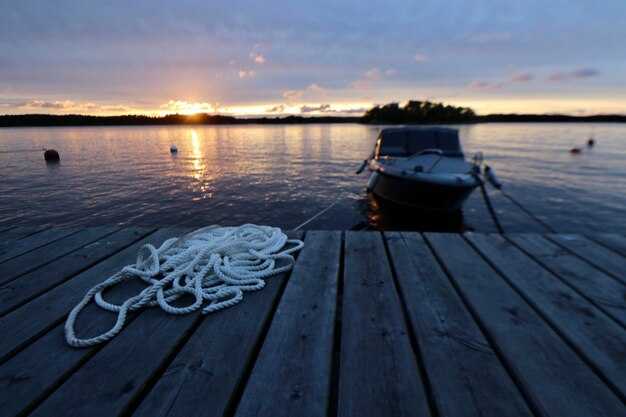
Book a waterfront pontoon for your next tailgate on the potomac. following this plan keeps your crew together in a locale with quick access to restrooms and shade while you enjoy the game-day view from the wharf. washington fans will appreciate the unobstructed sightlines, and your guests will savor the freedom from crowded stadium lots. something to try on thursdays if you want lighter traffic.
boatgating gives you advantage by controlling your space, keeping beverages chilled in a boat’s cooler area. getting the logistics right means naming a zone and coordinating with the marina on outside guest limits. their crew will thank you for safety and comfort; you forget the long walk from parking, and you enjoy a skyline view of washington and the river.
Plan your gear: bring a portable grill, waterproof tarp, extra utensils, and a compact speaker. In your zone, set up a small anchor line, secure coolers, and array food in labeled containers so you avoid cross-contamination. Check tide times and avoid low-water spots near the wharf’s pilings. thank your crew after the event with a quick recap and share one photo that captures the potomac vibe.
Pick thursdays if possible: marinas often offer steady boat rentals with lighter crowds, letting you move between busy riverfronts without weekend traffic. Stay outside main channels and keep guests in zone areas marked by the boat license buoy. As you wrap, thank your team with a quick post that highlights the locale and the potomac vibe.
Boatgating gives their tailgates a unique advantage over conventional setups, and that makes the day memorable for friends and family. The locale, water views, and proximity to the wharf create a scene that keeps guests talking long after the final whistle.
Boatgating: Mastering Space, Safety, and a 3-Part Menu
Plan your setup around the 3-Part Menu to maximize space, safety, and flavor. Secure your booking early, map the dock area, and assign a crew for each task so we keep distance between boats and prevent congestion in the zone near those aisles. Discuss responsibilities with your team, and arrive with a clear plan for traffic flow and time windows. Keep guests informed about where to stand and where to send everyone for the next course, and share a quick note about the route to the dock.
Master space by designating a cooking zone away from seating and the main tailgates. Use a portable barrier to create a clean aisle and keep those aisles open for movement. Equip the grill area with a fired setup, a fire extinguisher, a tray of water, and heat-safe gloves. Brief your crew on cleanup roles, and assign a boss to call signals when to switch tasks. A quick calling signal keeps the crew aligned. Seattle fans will appreciate a calm rhythm that preserves distance and avoids crowding, especially on the south side where many arrive.
Part I – Starter bites and beverages: choose small, shareable items that travel well on a rolling setup. Half-size portions keep space open and speed up cleanup. Offer a signature drink and a cold option, then discuss pairings with the grill items. Have a plan to arrive early and send a map to guests so they know where to stand and how to join the first course, about how the flow will unfold and what to expect next.
Part II – Main grill items: burgers, fish, plant-based skewers. Layout the grill in a compact rectangle to maintain space between the cook zone and seating. Use a single heat source to keep control; keep a fired backup or alternative plan ready. Place dishes on a raised rack for easy pickup, and train your team to rotate items to avoid long waits. The basis is quick service and consistent flavors that let fans enjoy games without delaying anyone, while keeping the dock tidy.
Part III – Desserts and cleanup: finish with shareable desserts and a streamlined cleanup flow. Plate desserts in half portions and designate a pickup area so aisles stay clear. After service, bag trash, return gear to a single pickup point, and send a final check-in to confirm everyone arrived back on board safely. This tradition echoes tailgating traditions across the waterfront, including Seattle, where cleanup and safe distance define the experience and set a reliable time for future bookings.
Define Boatgating Space: Dock, Deck, and Access Routes
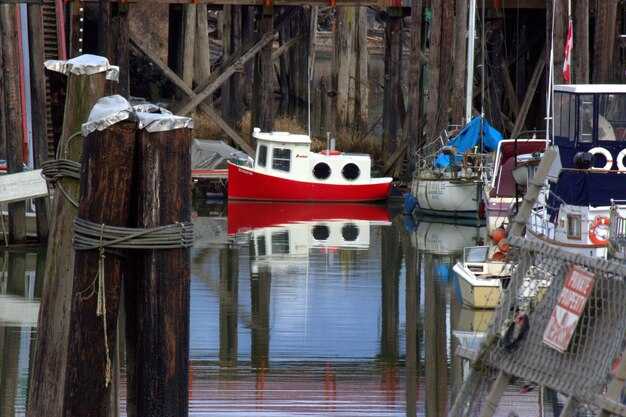
Mark three zones with clear boundaries: the dock for boarding, the deck for gathering, and the access routes for safe movement. This full zoning provides an advantage in handling crowds on busy weekends and keeps action smooth from trip to post-game gathering.
The dock serves as the landing and loading area. Keep a 6–8 ft wide walking lane along the waterline and 12–16 ft of usable length for gear, coolers, and guests. Create a dedicated bathroom access point nearby so guests don’t linger on the dock, and post simple signs to reduce confusion. Theres room to pick up or drop off without jamming the mooring lines, which otherwise slow action and frustrate avid visitors.
The deck is your social hub. Maintain an open 8–12 ft deep zone for mingling, while reserving a separate space for grabbing snacks, drinks, and a quick game–even a portable tennis setup can fit if you arrange edges carefully. Provide non-slip mats and sturdy grab handles near steps to support playing and moving with bags, plates, and coolers. Encourages smooth flow, so you keep the line moving rather than letting it bunch up in one corner.
Access routes tie the setup together. Define clear paths from dock to deck and from the entry point to seating and rest areas. Use color-coded tape or simple arrows to show where to walk and where to stand. The following list helps you avoid bottlenecks: maintain at least a 4–5 ft lane width, keep pathways free of trip hazards, and locate exits with ample lighting for nights. This approach gives you the advantage of predictable flow, even when the crowd is large.
| Zone | Purpose | Space (ft) | Access Tips | Safety Notes |
|---|---|---|---|---|
| Dock | Boarding, loading, staging of gear | 6–8 ft width; 12–16 ft length | Mark a single lane, keep mooring lines clear, provide bathroom access nearby | Non-slip surface, life jackets within reach, avoid obstructing water traffic |
| Deck | Social gathering, viewing, light activity | 8–12 ft depth for crowding, plus edge zones | Non-slip mats, grab rails near steps, space for a quick game or snacks | Clear edges, manage rainwater, limit clutter |
| Access Routes | Movement between zones, exits, and supply points | 4–5 ft minimum lane width | Color cues and arrows, keep routes unobstructed | Well-lit, easy escape paths, signage for crowd flow |
Following these steps helps you pick a plan that fits your boat size and crowd. avid tailgaters, including steelers fans, appreciate a well-defined space where there’s room to move, room to prep, and room to relax. If you plan a short hiatus from hosting, you can maintain the same layout and ensure quick return without losing momentum. This approach gives you the advantage of a ready, welcoming setup that encourages participation, queuing only where needed, and a smooth weekend trip from entry to action.
Safety Rules and Legal Considerations for Boatgating
Get a permit where required and file a float plan before you set out for boatgating. Maintain a three-mile safety buffer around other vessels and shorelines, and equip every craft with a USCG-approved life jacket for each person on board, plus a throw bag and a whistle.
Know the local rules for open water along riverwalk areas and check with the harbor master about permitted zones, noise limits, and whether alcohol is allowed on board. If in doubt, make a call to the harbor control desk and have a quick reference card with emergency numbers for your crew.
Stock a safety kit and check equipment before departure: life jackets for all aboard, a spare PFD for a guest, a fire extinguisher, a throwable device, a flashlight, a first-aid kit, and a marine radio or waterproof phone. Wear non-slip footwear with solid soles and ensure decks stay dry to reduce slips. If you are serving food or drinks, keep the serving area stable and away from heat sources.
Share the plan with someone on shore or another crew member who can lend a hand if you signal for help. arthur, a veteran member, reminds you to lend a hand to newcomers and outline a clear set of instructions so each person knows what to do during the gathering, like a soldier on duty.
Keep clear of grabbing loose gear or passengers from adjacent craft. Secure grills, coolers, and loose items, and use sturdy tie-downs; store propane and fuel away from open flames and heat sources. Follow technical guidelines for safe cooking on deck, and monitor wind shifts that can turn a friendly cookout into a mess.
Respect space around swimmers and dock areas: pass at safe distances, slow to a no-wake speed in crowded zones, and never pass within restricted entries. Check weather forecasts and have a plan to cut the trip short if conditions turn rough or visibility drops.
Reserve dock access, a sheltered area, or a designated mooring if your river run overlaps a busy event. Confirm with marina staff about vessel size limits, waste disposal rules, and where to dispose of grease or oil to protect the riverwalk ecosystem.
tailgatingis about a well-run gathering, not a reckless rush. Keep the vibe friendly, follow the rules, and train your crew with concise instructions. By staying prepared, you reduce mistakes, avoid a mess, and make the most of the most memorable boatgating experiences for everyone involved.
Develop a 3-Part Menu: Appetizer, Main, Dessert
On the monongahela rivers, plan a dockside booth that keeps the center visible to passing houseboats and marinas. Festivities flow as guests getting fed quickly, with a sturdy handle on the grill and a first-come line that moves smoothly. Open service works where crowds are manageable, unless the river crowds swell. The event is held with a simple booking window to avoid bottlenecks, and boatings glide by slowly while aromas rise. Keep these essentials tight: labeled stations, clean prep, and a friendly crew ready to serve at the center. This setup fits where the grill meets the water and the orange glow marks the star moment of the evening.
- Appetizer
- Monongahela-glazed wings with orange zest and a herb dip
- Catch of the day ceviche cups with lime and avocado
- Dockside corn fritters with smoky paprika yogurt
- Main
- Charred river catch with garlic butter, lemon, and roasted potatoes
- Dockside shrimp boil with corn, sausage, and bright herbs
- Stealers-inspired beef skewers with pepper relish and a light glaze
- Десерт
- Star pick: Orange cream panna cotta with berry coulis
- Sea-salt caramel bites on almond shortbread
- Brown butter tartlets with vanilla drizzle
Select Portable, Boat-Friendly Cooking Gear
Choose a compact, one-burner propane stove with a locking canister and a small, stackable pot set; secure it to the boat rail to prevent lugging and spills.
On the Monongahela, a lean setup with a full kit offers the major advantage of cooking without crowding deck space. Place the gear in a central locker or dry bag near the wharf and rest easy as volunteers coordinate meals between games. Respect for space and safety is built in, theres no need to overthink the arrangement, and you can forget gear fuss while the crew feeds through long days on the water.
What to pick starts with the stove and cookware. Look for a windscreen, a regulator, and auto-ignition; a 1.5–2 quart pot that nests with a skillet; and a compact, rigid fuel canister. Keep extra canisters dry and accessible inside a waterproof book-like case. From portwalkfrom the deck into the galley, secure a stable base so waves don’t tip anything.
- Stove and fuel: One-burner propane model, 7–16 oz canister, regulator, and built-in windscreen; total weight around 2–3 lb for quick stow-and-go on a boat.
- Cookware: Nesting 1.5–2 L pot plus a small skillet; nonstick for fast cleanup; keep to a compact footprint to fit under bench seating.
- Fuel strategy: Carry two spare canisters for a long day, more if you’re feeding volunteers; label cans and store upright in a dry bag.
- Storage and transport: Use a compressible, waterproof box or a roll-top dry bag; keep near the central line so you can grab it in a hurry when the boat rocks.
- Safety and extras: Heat-resistant gloves, a compact fire extinguisher, and a simple cutting board; also include a small waterproof book of quick recipes for when ideas run dry.
Tips for use amidst moving water: always secure the setup to a fixed point, check the wind direction before lighting, and keep the fuel canister away from boiling steam. If you’re short on space, you can swap a skillet for a pan with a long handle to protect hands and teammates during long shifts. Amidst a three-mile cruise or longer hops, this configuration stays reliable, special in its simplicity, and offers a smooth rest between rounds of play and prep for the next contest. If new volunteers join, send them a quick recipe card to speed onboarding and reduce downtime.
Prep, Pack, and Storage Checklist
Look past the standard tailgatingis setup and assemble a compact waterproof tote with clearly labeled compartments for quick access. Include a rinse station, a couple of towels, and a dry bag for electronics so the crew stays organized near portwalkfrom access to the boat.
Divide prep into three zones at the central area: a quick-serve food and drink corner, a gear cache, and a cleanup station. Use stackable bins to keep aisles clear and ensure gear runs smoothly from car to dock. Make it easy to move items by labeling everything so others can help quickly.
Load order matters: place heavy pots and winches toward the bottom, lighter items on top, and fragile components in the middle of the stack. Use a simple form on your phone to speed restock and help others.
Boatings and boaters come first: store life jackets, paddles, and throw ropes in the outer tote; for the party, add short cups, drink mixes, and napkins.
Storage and care: keep electronics in a dry bag, spices in sealable jars, and a dedicated cooler for drinks in the shade to prevent melt. Rinse after use to keep gear fresh. Provide spare napkins and wipes for the party, and wipe soles before you step onto the dock.
After the game, wipe seats, dry gear, and slide everything into an office-style case. This keeps the face of the setup ready for the show.
Keep the path open as you move; test the setup with a quick spin to confirm balance and comfort for boaters and guests, especially during crowded aisles around the steelers tailgate.
Beverage Strategy: Hydration, Flavor, and Spill Prevention
Recommendation: Use a lightweight, spill-proof cooler centered on the tailgate and keep every bottle within reach to catch spills immediately and maintain hydration. Fill with ice, water, and a commercial electrolyte option; offer three flavor choices in paper cups to reduce mess and keep the cheer high, with other hydrating options available. Wrap bottle bases with paper towels to catch drips and place cups on a visible tray for smoother action nearly zero spills.
Flavor strategy centers on three profiles: Citrus-Honey Zest, Berry-Mint Refresh, and Tropical Cucumber Breeze. Rotate seasonal options for weekends at the harbor or waterfront to match the mood of your friends and baseball crowds; theres a flavor for nearly every palate. Use color-coded labels and a quick guide so captains can explain choices at a glance and keep the call to action clear.
Spill prevention starts with layout and materials. Set the cooler on a tray, lay down a gator mat to absorb drips, and wrap extra towels around the edge to create a finishing layer that slows any overflow. Track spill rates during early weekends and adjust quantities accordingly, which helps you stay in control while guests enjoy the beverage flow.
Additional tips: keep a small stash of commercial-grade napkins for fast cleanup, use lightweight bottles that are easy to handle, and remind everyone to rinse cups after use to reduce waste. This idea supports a lively tailgate atmosphere, preserves visibility of the setup, and cheers mood with cheer without chaos.