


 Українська
  English (UK)
  Русский
  العربية
  日本語
日本語  한국어
한국어  Magyar
  Türkçe
  Español
  Čeština
  Svenska
  Português
  Ελληνικά
  Suomi
Suomi  Nederlands
  Română
  Italiano
  Français
  Polski
  Deutsch
  简体中文
简体中文  Slovenčina
 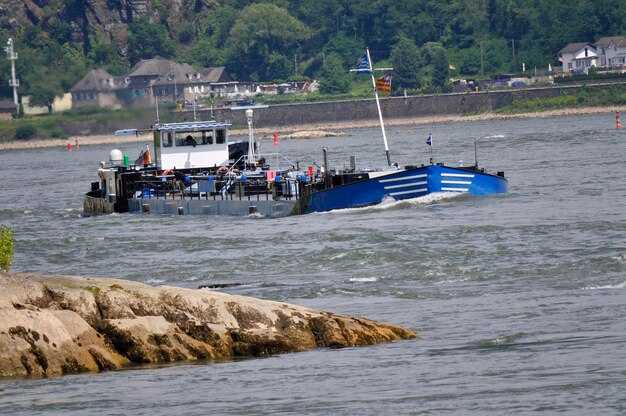 North Miami Fishing Charters | Top Offshore & Inshore Trips">

Start with a captain-led, full-day angling tour aboard a stable vessel to maximize bite windows and minimize loading time. In the Biscayne Bay area, the most productive periods run from dawn to mid-morning and again in late afternoon; the local skipper adjusts the plan to match tides and wind. This setup makes the day very efficient and will help you enjoy a memorable destination experience year-round, even if youll be new to the region. Youll notice the biting activity rise at first light and again before dusk.
The core benefit of this approach is consistent bites across multiple species within a single area. The captain’s knowledge of where the biting is strongest changes daily, so people who go with them report higher success. Ask about the planned route, gear, and the bait approach; while youll focus on the action, their answers save you questions on the dock and ensure youll maximize time on the water. The saltwater environment here makes it possible to chase snapper, grouper, tarpon, and permit in a single outing.
Target species and route mix often include snapper near mangroves, grouper around wrecks, tarpon in passes, and permit along the grass flats. The local crew will tailor the sequence to the wind and current, balancing nearshore action with deep-water opportunities for variety. Their experience and careful gear maintenance make every cast count and produce fewer tangles in the middle of the day. This format has broad appeal for both newcomers and seasoned anglers, and it has helped families and groups have a memorable saltwater experience together.
Questions you may have should be addressed: what to bring, how to handle tides, what the loading process looks like, and how to respect the area’s rules. Youll get cris tips and clear instructions from the captain before the line goes in, so you can focus on the bite. The plan is flexible to adapt to weather, so participation remains comfortable for families and groups of people of all skill levels.
Bottom line: book with a local captain, ask about their destination and area knowledge, and be ready to adapt to the bite. Youll return with stories, photos, and plans for your next saltwater adventure, and youll see why this option remains a favorite for people who want real value from a day on the water.
North Miami Fishing Charters: Practical Guide to Offshore, Inshore, and Family Trips
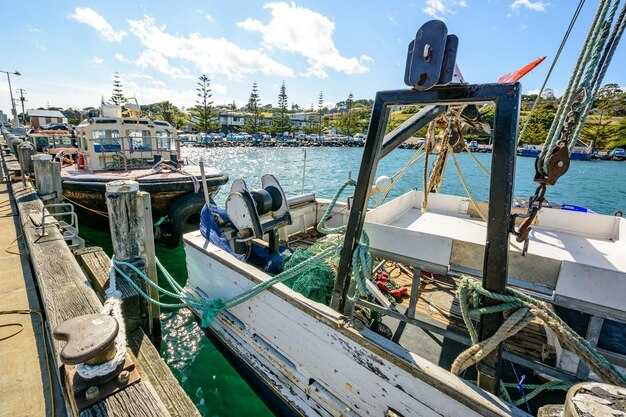
Begin with a four-hour deep-sea voyage led by a seasoned captain; it’s a very solid first choice for action, safety, and value, with returns in minutes and a smooth drive back to your hotel.
Year-round options cover nearshore mangrove flats, channel edges, and deep-water canyons, offering types for every appetite. This range lets you pick an itinerary that fits your destination and pace, whether your group wants calm waters or a lively ride.
Species span snapper, grouper, kingfish, and tarpon, with frequent bites along the mangrove lines as tides shift. The crew explains how to handle the catch, what gear works best, and how to conserve the resource for future days.
Family outings excel because the crew keeps the pace relaxed, safety gear is supplied, and kids learn to identify different fish and observe release etiquette. Most boats provide simple rods, shaded decks, and practical guidance from the crew, so your family can enjoy the journey together.
Questions to ask at booking: which destination matches your group’s interests, what gear is included, how many people can ride comfortably, and whether Cris or another crew member will cover the basics of local waters. The captain tailors the plan to ensure that your choice aligns with expectations and safety.
What to bring includes sunscreen, hat, a light rain layer, water, and a small cooler; the local benefit is shorter travel from docks, leaving more time on the water for kids and parents alike. If possible, book a multi-stop day to maximize nearshore exposure and mangrove time.
Bottom line: for a destination that favors family participation, a deep-sea voyage led by a capable captain offers the best balance of action, learning, and value that makes your day memorable.
North Miami Fishing Charters: Offshore & Inshore Trip Options, FAQs, Techniques, and Species
Start with a local, captain-led half-day nearshore flats experience to maximize saltwater time and minimize the drive for a family-friendly day on the water. cris, the capt, will outline the plan and tailor it to your group, making loading gear efficient and enjoyable.
For longer days, consider open-water expeditions that target pelagic species. Most operators in the area offer two formats: a 6- to 8-hour deep-water adventure and a nearshore flats safari. youll gain access to saltwater variety while enjoying a stable, well-equipped craft run by an experienced captain.
Поширені запитання
What questions should you ask cris before the day? Focus on wind, tides, gear setup, loading, and safety. youll want to confirm size limits, allowed baits, and their plan for alternates if the wind shifts.
Techniques and gear
On flats, angling with soft plastics and topwater lures shines, with accurate casting toward structure. On deeper water, jigging and slow trolling yield the best bite. The capt adjusts tackle, lines, and leaders to area, species, and season, ensuring your crew has the best odds of a solid catch.
Species you can expect
Year-round opportunities include bonefish, permit, and redfish on the flats, while deeper water holds grouper, snapper, and various reef fish. In season, tarpon and snook move in; pelagic bites visit mahi and wahoo when conditions cooperate. The area supports a broad mix, and your captain will explain peak months and size limits.
Booking and best practice
Local knowledge is the biggest benefit: you get a realistic plan, flexible timing, and a safe, comfortable boat that suits family needs. The most common choice is to reserve in advance for your destination and to ask for cris as the primary captain if you know him; their crew will answer most questions with clear guidance.
Offshore Deep-Sea vs Inshore Charters: Choosing the Right North Miami Trip
Recommendation: For a broad saltwater experience with a strong chance to add species to the catch, choose a deep-sea outing led by a seasoned captain and a tight crew; this choice drives the most variety for people seeking a memorable family adventure and a solid first impression of the local area, with most departures within minutes of check-in.
Nearshore outings emphasize flats and mangrove channels, where you can target snook, redfish, and juvenile tarpon. Seas are usually calmer, gear lighter, and the pace is friendly for family groups and beginners who still enjoy meaningful fishing moments.
Decision guide: If your aim is breadth of knowledge and frequent opportunities to see saltwater life, the deep-sea option offers several types of fish and a higher catch potential; if you prefer close-in access and a quiet pace around mangrove edges, that option shortens travel time and increases time for casting along the flats.
Ask your first call about the captain’s plan, the crew’s experience, and the destination; cris is a local crew member who can explain tides and wind, helping you drive the day toward a solid catch.
Practical tips: plan the duration in minutes, pick an option that fits your family schedule, and discuss safety, gear, and weather windows; you can combine mangrove exploration with a closer look at the saltwater ecosystem to maximize your enjoyment and knowledge of the area.
Frequently Asked Questions About North Miami Fishing Charters: Booking, Licenses, Weather, and Safety
Book a captain-led, early-morning outing to maximize biting on local area flats; youll enjoy the best catch and a smooth loading of gear after first light.
Questions to answer before you book: destination, date, party size, and the types of excursions you prefer; this helps the crew tailor a trip that matches your goals.
Licensing for saltwater angling in the area typically requires a Florida license for ages 16+, with under-16 exemptions; confirm whether the captain’s vessel covers the license or if you should obtain one in advance.
Weather and sea state: cris mornings with clear water and light winds give the flats and nearshore zone the strongest biting; check a reliable forecast 48 hours ahead, and plan deep-water options for later in the day when sea state permits.
Safety: the crew will provide life jackets, a pre-departure safety briefing, and gear checks; follow the captain’s first instructions and stay clear of lines during loading.
Species to target in year-round angling include snapper, grouper, tarpon, and jack crevalle; this area offers diverse bites and a chance to add to your catch on every trip.
Best practice: choose a vessel with enough space for your group and the right balance of speed and stability; this is the most reliable way to maximize your catch and give you the benefit of a smooth destination day.
What to bring: sunscreen, hat, polarized sunglasses, water, a light snack; the captain and crew will advise on loading procedures and any gear you should bring or leave behind.
Frequently asked questions: How soon should you book? Do you need a license? What happens if weather turns poor? What time should you arrive? Each answer helps you plan a safer, more beneficial day.
Top Targeted Species in North Miami Waters: Seasonal Runs and Hot Spots
Plan dawn sessions on incoming tides; minutes of biting are most frequent then, so target flats and passes within the first two hours of light to load your trip with action. Year-round saltwater angling here benefits from local knowledge, steady gear, and your capt, Captain Cris, who makes every day educational and enjoyable.
- Seasonal action on the flats
- Tarpon – most active along channel edges and near inlets. Best approach uses live mullet or crabs; gear: 20–40 lb leader, 30–50 lb mainline; bite windows align with a rising tide.
- Permit and redfish – locate mullet schools and grass edges; use shrimp or crab baits with light but capable tackle; their bite often marks a turning point in the day.
- Snook – around mangroves and passes; dawn and dusk offer the most consistent action; plan 20–30 lb gear and modest leaders; cris shares local knowledge to guide your casts.
- Nearshore structure and reef edges
- Spotted seatrout – a year-round staple; seek seagrass beds and sandy troughs; light spinning outfits and natural baits work best, with most bites occurring in calmer mornings.
- Mutton snapper and yellowtail – around wrecks and reefs; respond well to small live baits or cut bait; use 12–25 lb lines and 20–30 lb leaders for solid fights.
- Barracuda and jack crevalle – near mangrove edges and passes; fast, aggressive take; heavier tackle may be needed to prevent line chatter.
- Season transitions and winter strategy
- Bonefish and redfish on the flats – long, accurate casts and steady retrieves win; target cooler mornings when water is clear and fish are wary.
- Snook near bridges and waterfront edges – still productive; focus on first light or late afternoon windows; carry 20–30 lb gear and sturdy leaders.
Their knowledge helps you choose the right gear and spots. Load your day with very consistent bites by aligning with tides and weather, and you’ll see your family return with smiles and a memorable catch. If you have questions, your captain can outline the most-benefit plan for your area and your goals. youll enjoy a rewarding experience with a broad saltwater repertoire and great company.
Family-Friendly, Half-Day Excursions: What to Expect and How to Prepare
Plan a calm, family-friendly half-day excursion that centers on saltwater flats and mangrove shoreline. The capt and crew run a quick safety briefing, gear check, and loading sequence so everyone starts smoothly. Departures follow a steady schedule to maximize daylight while keeping the pace comfortable for youngsters and first-timers.
On the water, expect a sheltered route to productive flats with shallow depths ideal for beginners. youll see a mix of species and watch for bites that signal a successful cast. The crew explains how tides alter where fish hide, which types to target, and how to adjust setups when conditions shift. The cris breeze and light heat keep things pleasant in the area. The area offers wildlife that adapts to tides.
What to load and bring: sunscreen, water, hats, snacks, and a small bag for souvenirs. Most boats provide light tackle appropriate for first-timers; youll want comfortable shoes, a mask or sunglasses for glare, and a lightweight rain layer just in case. Pack minimal gear to keep loading and unloading quick.
The crew’s role is to teach, not just guide. Expect patient instruction on basic knots, casting under supervision, and safe handling of gear. The captain will assign simple tasks, like assisting with a knot or helping retrieve gear, to keep kids engaged while you learn as well. youll gain knowledge that makes future outings smoother.
After the excursion, families gain knowledge about saltwater ecosystems, the benefit of moving slowly through bays near mangrove roots, and the joy of a short, rewarding catch. The most common targets for beginners include small snapper-like species and other reef-adjacent fish; youll return with a brief, legal haul suitable for a quick meal or release. Your crew can explain local regulations and size limits before you reach the dock. This destination makes it easy for families to connect and build memories together.
Scheduling tips: book in the morning to avoid heat and crowds; confirm the exact duration with the captain, and verify weather and tide windows. At loading, confirm the plan for return, and ask about safety tips specific to your kids. This destination makes it easy for families to enjoy together, as the pace and scenery keep everyone engaged and safe.