


 Українська
  English (UK)
  Русский
  العربية
  日本語
日本語  한국어
한국어  Magyar
  Türkçe
  Español
  Čeština
  Svenska
  Português
  Ελληνικά
  Suomi
Suomi  Nederlands
  Română
  Italiano
  Français
  Polski
  Deutsch
  简体中文
简体中文  Slovenčina
 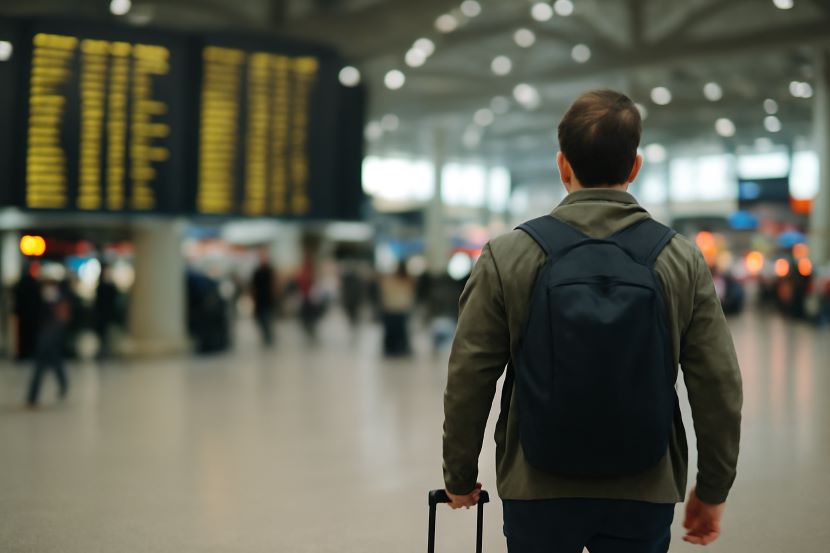 Major US Cities Confront Airspace Threats Due to FAA Staffing Shortages">

Widespread Airspace Challenges in Key US Cities
Several major US metropolitan areas, including New York, Chicago, New Jersey, Denver, and Philadelphia, are confronting the serious possibility of airspace shutdowns driven by an ongoing staffing crisis at the Federal Aviation Administration (FAA). This looming disruption threatens to significantly impact millions of travelers and aviation employees across the nation, presenting a challenge not only to air travel but also to the broader transportation and tourism sectors.
The Scale of the FAA Staffing Crisis
The FAA is currently grappling with a critical shortage of qualified air traffic controllers and related staff. This shortage is the result of a combination of factors including retirements, difficulties in recruitment, and increased operational demands in the post-pandemic travel rebound. The insufficient staffing levels have raised alarms about the safety and efficiency of managing the nation’s congested air corridors.
With a substantial number of controllers nearing retirement age and a prolonged training pipeline for new hires, many key airports and airspaces are running on thin margins. The risk of operational shutdowns grows as FAA facilities struggle to maintain full coverage.
Implications for Travelers and Aviation Personnel
As air traffic controllers work under increasing pressure, flight delays and cancellations are expected to surge. This will inevitably ripple out to affect passenger flows, airport operations, and scheduling efficiency. The crisis also casts a shadow on the livelihoods of frontline staff who face overstretched shifts and heightened stress levels.
Additionally, the potential shutdown of airspace in cities like New York and Philadelphia may severely disrupt regional and national connectivity, affecting business travel, tourism flows, and cargo transport.
Historical Context of US Air Traffic Control and Staffing
Since its inception in the 1930s, the U.S. air traffic control system has evolved in tandem with rapid growth in commercial aviation. Historically, staffing levels have fluctuated with economic cycles and policy decisions. The FAA workforce has periodically faced challenges in recruitment and retention due to the demanding nature of the job and the need for rigorous training and certification.
In the late 20th century, technological advances and automation were introduced to ease controller workloads. Nonetheless, human expertise remains indispensable for ensuring safe and efficient control of increasingly busy airspaces, especially in major urban hubs.
Past periods of workforce shortages have led to temporary disruptions and adjustments in air traffic management, spotlighting the vital role of sufficient staffing for maintaining uninterrupted operations. The current crisis reflects similar themes but is exacerbated by modern aviation’s expansive scale and complexity.
Forecast: How This Could Shape Future Travel and Tourism
The potential for airspace shutdowns signals a need for strategic workforce planning and investment in air traffic management technology. Until these challenges are mitigated, travelers should anticipate increased uncertainties in flight schedules. Airlines and airports may need to adjust operations, impacting tourism flows and related activities including cruises, business visits, and leisure travel.
Regions heavily reliant on air access, especially major urban centers and tourist hotspots, could see a temporary decline in visitor numbers. This situation may accelerate innovations in alternative transportation or charter services, including private boating, yacht charters, and on-water experiences as travelers seek reliable and scenic options.
Table: Key Cities at Risk and Population Impact
| City | Airspace Risk Level | Metropolitan Population | Primary Transportation Hub |
|---|---|---|---|
| New York | High | Over 15 million | JFK, LaGuardia, Newark Airports |
| Chicago | High | 9.5 million | O’Hare, Midway Airports |
| New Jersey | Moderate to High | 9 million | Newark Airport, Port Newark |
| Denver | Moderate | 3 million | Denver International Airport |
| Philadelphia | High | 6 million | Philadelphia International Airport |
Key Challenges
- Retirement of experienced air traffic controllers creating workforce gaps
- Lengthy training and certification processes slowing new hires
- Increased flight volumes pushing system limits
- Potential for airspace closures leading to delays and cancellations
- Economic repercussions for related industries including hospitality and logistics
New Jersey’s Strategic Role in Transportation and Tourism
New Jersey’s dense population and strategic location between New York City and Philadelphia make it a significant transportation crossroads. Its sprawling infrastructure includes major airports like Newark Liberty International and vital seaports such as Port Newark and Port Elizabeth. These hubs facilitate the flow of goods and people, impacting regional and international commerce.
Moreover, New Jersey’s Atlantic coast offers popular beach resorts and tourism attractions, such as Atlantic City with its thriving resort and convention industry. The state’s transportation network is essential not just for commuters but also for the tourism economy that draws visitors year-round.
New Jersey Transportation Highlights
- New Jersey Turnpike: 132 miles connecting major urban centers
- Garden State Parkway: 152 miles facilitating north-south travel
- Atlantic City Expressway: 44 miles linking Atlantic City to Camden region
- Port Authority oversight of major airports and transit facilities
Connecting Air Traffic Issues to Marine Travel and Sailing Adventures
While air travel faces potential disruptions, water-based transport and recreational activities offer appealing alternatives. Coastal cities like New York and New Jersey have historic waterfronts and accessible marinas, encouraging sailing and boating as vibrant leisure pursuits.
Whether it’s a quick escape aboard a sailing yacht along the Atlantic coast or a chartered boat trip exploring nearby bays and gulfs, maritime travel continues to be a delightful complement to terrestrial journeys, providing unmatched views and a serene pace.
Regional Waterways and Marine Destinations
- Hudson River and the New York Harbor area, rich in marina facilities
- Пляж Джерсі в Нью-Джерсі, з піщаними пляжами та сімейними портами
- Набережна річки Делавер у Філадельфії з доступом до рекреаційного судноплавства
Оскільки вузькі місця в повітряному просторі ускладнюють звичайні подорожі, поєднання авіаперельотів з чартерами яхт або орендою човнів стає привабливим варіантом для мандрівників, які прагнуть свободи на воді. Ця тенденція може спонукати більше туристів досліджувати напрямки через марини та безпечні гавані.
Summary
Криза штату Федерального управління авіації (FAA) висвітлила делікатний баланс у керуванні повітряним простором США, під загрозою операційних зупинок такі великі хаби, як Нью-Йорк, Чикаго, Нью-Джерсі, Денвер і Філадельфія. Цей виклик впливає не лише на мільйони мандрівників, а й на персонал, який підтримує ці життєво важливі повітряні коридори. Історично, управління повітряним рухом адаптувалося за допомогою технологій та змін у складі персоналу, але поточна ситуація вимагає термінової уваги.
З огляду на критичну роль Нью-Джерсі в транспортній мережі північно-східної частини США та його процвітаючу прибережну туристичну індустрію, порушення авіаційного сполучення можуть спонукати до переходу до морських варіантів, включаючи чартерні яхти та човни. Перетин цих видів транспорту підкреслює універсальність, необхідну для підтримки туризму та торгівлі.
Для тих, хто надихається морем і шукає можливості доповнити свої подорожі вітрильними пригодами, GetBoat.com пропонує міжнародний ринок для оренди вітрильних човнів та яхт, задовольняючи різноманітні смаки та бюджети. Незалежно від того, чи ви пливете по спокійним озерам чи досліджуєте жваві бухти, чартер залишається корисним способом подорожувати посеред проблем навігації в повітряному просторі.