


 Українська
  English (UK)
  Русский
  العربية
  日本語
日本語  한국어
한국어  Magyar
  Türkçe
  Español
  Čeština
  Svenska
  Português
  Ελληνικά
  Suomi
Suomi  Nederlands
  Română
  Italiano
  Français
  Polski
  Deutsch
  简体中文
简体中文  Slovenčina
 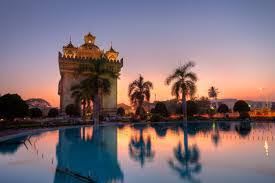 How Vientiane Plans to Boost Tourism and Support Local Economy">

Vientiane’s Roadmap to Elevate Tourism
The capital city of Laos, Vientiane, is rolling out a comprehensive strategy aimed at bolstering its tourism sector. This move focuses on enhancing accommodations, raising service standards, and creating greater income opportunities for local enterprises to invigorate the city’s economy.
During a recent legislative assembly, officials detailed ongoing and future projects to expand cultural, natural, and historical attractions that both domestic and international travelers frequently visit. Monitoring service quality in restaurants and hotels forms a key part of ensuring visitor satisfaction and fair pricing.
Expanding and Diversifying Tourist Attractions
Currently, Vientiane boasts 89 officially recognized tourist sites, distributed among cultural, natural, and historical categories. Among these are nine national heritage locations such as Wat Sisaket, Wat Nong Khamsen, and Wat Palelay, which also engage local communities in tourism management and revenue sharing. More water-based tourism developments are unfolding near the Nam Ngum Bridge area and hold promise along the Mekong River.
Tourism products are becoming more varied, with souvenirs and locally produced goods dispersed through multiple outlets across the city, though centralized souvenir markets are yet to emerge.
Nightlife and Future Priorities
One of the strategic focuses for the future includes boosting night-time tourism by capitalizing on popular night markets like Khuadin Market. Growth areas also span clean agricultural tourism and the promotion of shops retailing Lao-made products. Organizing cultural festivals and exhibitions alongside city and national events is intended to draw more visitors and stimulate artisan and business growth.
Upgrading facilities at existing tourist sites to meet national and ASEAN tourism standards remains a priority, alongside modernization efforts in revenue collection and enhancing marketing through better information services. Additionally, more ancient temples and sites are being surveyed for potential heritage status designation.
Tour operators are encouraged to build tours that tightly connect with local production to ensure tourism benefits radiate through broader community segments around Vientiane.
A Brief History of Vientiane’s Tourism Context
Vientiane’s tourism foundations intertwine with its rich history and cultural heritage, boasting a variety of attractions that reflect the city’s colonial past and local traditions. The city serves as a gateway for exploring Laos, renowned for its lush landscapes and significant heritage sites.
In recent years, participatory community-based tourism has gained momentum in Laos, aligning with national efforts to promote ecological sustainability and poverty alleviation. This approach actively involves local communities in managing and benefiting from tourism resources, adding authenticity and sustainability to the visitor experience.
The emphasis on community involvement mirrors global trends where sustainable tourism development increasingly encourages local stakeholder engagement to foster economic resilience and preserve both cultural and natural assets.
Community-Based Tourism as a Growth Driver
Village-based tourism plays an increasingly vital role, with local residents managing cultural sites and gaining economic benefits directly. By protecting heritage sites while involving communities in their upkeep and visitor interaction, Vientiane is shaping a model that respects tradition while welcoming modern travelers.
Such approaches also help counterbalance the risks of mass tourism by focusing on quality over quantity, nurturing cultural sustainability, and encouraging visitors to engage meaningfully with the local environment and society.
The Future of Tourism in Vientiane and Its Wider Impact
Looking forward, Vientiane’s strategy to diversify its tourism offerings, including night tourism and clean agricultural products, seeks to build a distinctive profile for the city’s tourism brand. These initiatives are expected to attract a broader range of tourists seeking authentic cultural experiences as well as nature-based activities.
The development plan also aligns with sustainable tourism principles, balancing economic growth with the preservation of environmental and cultural heritage. This thoughtful progression points to Vientiane’s rising potential as a notable destination in the Mekong region.
Implications for International Tourism
The strategic outlook in Vientiane reflects a growing understanding worldwide that tourism is a powerful economic tool that, when managed responsibly, can deliver benefits to local communities and preserve valuable cultural and natural resources. The city’s emphasis on partnerships, community involvement, and quality improvements suggests a forward-thinking approach that other destinations can emulate.
Table: Key Components of Vientiane’s Tourism Strategy
| Area of Focus | Actions | Expected Impact |
|---|---|---|
| Service Standards | Inspection of accommodation and restaurants; fair pricing enforcement | Improved visitor satisfaction and trust |
| Heritage Sites | Upgrading facilities; community involvement in management | Preservation of cultural assets aligned with sustainable tourism |
| Diversification | Promotion of night markets; agricultural and souvenir shops support | Broadened tourism products attract diverse visitor segments |
| Marketing & Revenue | Modernized revenue collection; enhanced tourism marketing | Increased economic benefits for the city and artisans |
Чому це має значення для вітрильного спорту та оренди човнів
Although Vientiane is inland, the city’s attention to water-based tourism, especially near the Nam Ngum Bridge and the Mekong River, opens interesting avenues for boating activities. As tourism develops around these areas, the demand for varied water-based experiences like boat rentals, river excursions, and fishing trips could rise significantly.
For travelers keen on exploring the Mekong’s scenic beauty by boat, this strategy points towards improved infrastructure and more organized boating services in the future, enhancing the appeal of the region as a leisure destination. Sailing enthusiasts and charter companies might find emerging opportunities connected to Vientiane’s proactive tourism plans.
Висновок
Vientiane’s tourism development plan lays down a clear path for sustainable growth that respects the city’s cultural heritage and natural beauty, while fostering economic benefits for local communities. The focus on community engagement, diversification, and quality enhancement promises a richer, more authentic experience for visitors.
With expansion in cultural, natural, and night tourism, supported by improved infrastructure and visitor services, Vientiane is positioning itself as an attractive stop for travelers exploring Laos and the greater Mekong region.
For those passionate about exploring the waterways and scenic landscapes connected to Vientiane, the future holds potential for a delightful mix of activities involving sailing, boating, and river tours.
To explore yacht charters, boat rentals, and exciting water adventures that may grow alongside Vientiane’s tourism evolution, visit GetBoat.com — a vibrant marketplace connecting travelers with the perfect sailing boats and yachts to suit every taste and budget.