


 Українська
  English (UK)
  Русский
  العربية
  日本語
日本語  한국어
한국어  Magyar
  Türkçe
  Español
  Čeština
  Svenska
  Português
  Ελληνικά
  Suomi
Suomi  Nederlands
  Română
  Italiano
  Français
  Polski
  Deutsch
  简体中文
简体中文  Slovenčina
  The Timeless Wonders of Vardzia: Georgia's Cave-Monastery Marvel">

Unveiling Vardzia’s Hidden Depths
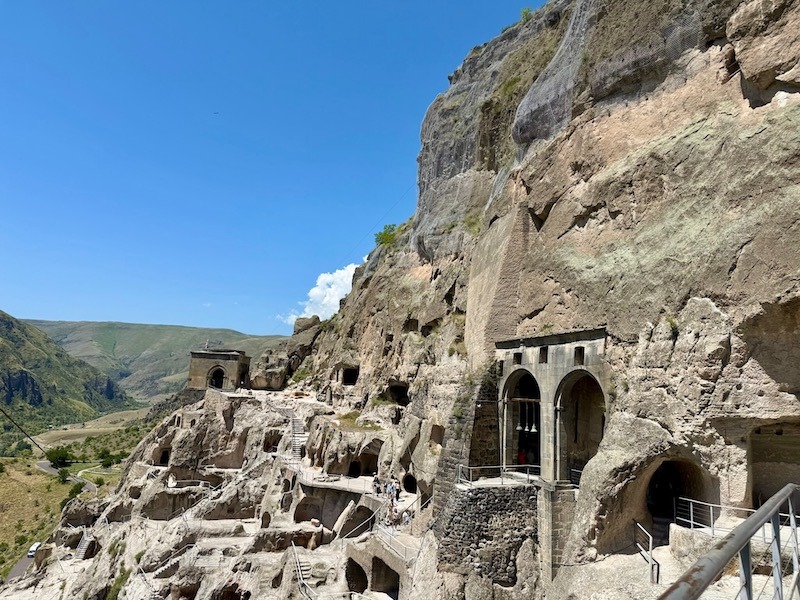
Vardzia stands as a breathtaking testament to both natural and human ingenuity—a sprawling cave city carved into the cliffs of southern Georgia. This extraordinary monastery complex dates back to the 12th century and captivates visitors with its cool, shaded interiors contrasting sharply with the often intense summer heat of the region. What at first might seem like just another cave or monastery quickly reveals itself as a place steeped in history, mystery, and remarkable artistry.
Visitors ascending the mountain toward Vardzia face a rigorous climb, but the effort is rewarded with a series of interconnected tunnels, chambers, and chapels, all hewn from rock with stunning precision. A palpable sense of calm pervades the complex, where the thick stone walls moderate the outside sun and maintain an atmosphere of quiet reverence. Among the countless rooms, one special chamber known as “Tamar’s Tears” stands out, with a small shimmering pool that seems to echo the emotional legacy of Queen Tamar, under whose reign the site blossomed.
The Legacy of Queen Tamar and the Origins of Vardzia
Queen Tamar of Georgia, reigning in the 12th century, is a celebrated figure whose influence not only shaped this ancient cave-fortress but also elevated Georgia’s cultural and political standing during a golden age. Her presence is immortalized throughout Vardzia’s frescoes and religious icons. According to local tale, the cave city received its name from her call of “Ak var, dzia!” – meaning “I’m here, uncle!”—after she became lost during the caves’ construction.
Beyond legend, Queen Tamar’s rule marked significant military triumphs and a flourishing of the arts, including close ties with the Georgian national poet Shota Rustaveli. The poet’s epic, The Knight in the Panther’s Skin, allegorically reflects Tamar’s reign, illustrating the lasting cultural depth tied to this site. Visitors stepping into the small, serene “Tamar’s Tears” chamber feel a deep connection to her story—this space serves as a powerful symbol of resilience and leadership from a time when female rulers were rare.
Vardzia’s Architectural Wonders and Spiritual Significance
The labyrinthine network of rooms and tunnels at Vardzia tells a story of architectural prowess as well as spiritual devotion. Originally built as a fortified city and refuge, it gradually transformed into a vibrant monastic center, blending protection with contemplation. Hundreds of chambers, including churches, living quarters, and storage rooms, are stacked inside the cliffs, with stairways and corridors carved directly into the stone.
The coolness within the caves provides refuge from the scorching sun, offering an almost otherworldly sanctuary where time seems to stand still. The intricate tempering of the internal climate by design made Vardzia not just a shelter but a place of peaceful retreat—an important feature in the often oppressive summer heat of the region.
| Feature | Description |
|---|---|
| Construction Era | 12th century under Queen Tamar’s reign |
| Chambers | Over 600 rooms including churches, monks’ quarters, and storerooms |
| Unique Chamber | “Tamar’s Tears” – houses a small pool and symbolizes Queen Tamar’s legacy |
| Location | Southern cliffs of Georgia’s Erusheti Mountain |
Historical and Cultural Context of Vardzia
The site of Vardzia represents a significant chapter in Georgian history, blending strategic military needs with religious and cultural aspirations. Its development reflects the medieval struggle for security as well as spiritual identity. Carved into the natural rock formations of the Erusheti mountain along the Kura River, the cave city was designed to provide protection during turbulent times and to nurture monastic life.
Over the centuries, Vardzia became not only a fortress but a center of cultural life and religious worship, where monks lived in close communion with landscape and faith. Its intricate frescoes and icons highlight the artistic achievements promoted under Queen Tamar’s patronage.
The Broader Significance for Tourism and Heritage
In the broader scheme of tourism and cultural heritage management, sites like Vardzia play a vital role in preserving national narratives and attracting visitors drawn to historical authenticity and natural beauty. As a standout example of rock-cut architecture integrated with rich medieval history, Vardzia is a must-visit for travelers interested in exploring less conventional destinations rich in heritage.
The site also serves as a reminder of the layers of history that shape destinations around the world—where storytelling, art, and architecture combine to offer immersive experiences. For modern tourists, such sites provide a combination of adventure and education, enhancing regional tourism offerings and encouraging longer stays in nearby areas.
Challenges and Opportunities for Sustainable Tourism
Balancing the preservation of ancient sites like Vardzia with increased tourism pressure requires thoughtful management. Protecting the fragile cave structures and artworks while providing access to visitors entails ongoing efforts in conservation and infrastructure development. Sustainable tourism models focus on maintaining the site’s integrity while delivering enriching experiences that respect local culture.
Increased awareness through international promotion can boost local economies, providing opportunities for community engagement and supporting related activities such as guided tours, cultural festivals, and handicraft sales. These developments offer new ways for tourists to connect with the destination’s heritage beyond the caves themselves.
Looking Ahead: The Role of Vardzia in International Tourism
As global interest in heritage tourism evolves, Vardzia’s unique cave monastery stands to play an expanding role in attracting visitors to the Caucasus region. Its blend of history, mystery, and serene beauty positions it well as a destination that offers both cultural depth and adventuring opportunities.
Future tourism trends emphasize experiences that go beyond traditional sun-and-beach vacations, pointing towards niche attractions such as historic caves, mountain monasteries, and sites associated with powerful historical figures like Queen Tamar. Vardzia fits perfectly into this framework, appealing to travelers who seek a blend of nature, culture, and history in their itineraries.
The growth of regional infrastructure, including improved transport and accommodations, will likely enhance access and comfort for visitors. Responsible tourism practices will be critical in safeguarding Vardzia’s delicate environment while encouraging meaningful visitor engagement.
Conclusion: A Voyage to Vardzia’s Heart
In summary, Vardzia offers a compelling journey into Georgia’s medieval past, wrapped in a spectacular natural setting. The cool and quiet depths of its cave chambers stand in striking contrast to the blazing heat outside, creating an evocative environment where history and legend merge. The story of Queen Tamar, her leadership, and the cultural flourishing under her reign enrich the visit, leaving a lasting impression.
For visitors drawn to the fusion of adventure, history, and spirituality, Vardzia is an inspiring destination. Its significance extends beyond its walls, representing the resilience of culture and the quest for refuge and reflection. For those charting destinations rich in heritage and natural beauty, exploring Vardzia can be as rewarding as any voyage across sunlit seas.
For those interested in combining cultural heritage exploration with relaxing moments by the water, GetBoat.com offers an international marketplace for renting sailing boats and yachts, perfect for travelers who want to blend historic discovery with sailing adventures along scenic lakes, gulfs, or coastal marinas. Whether planning a charter or just seeking a boat to unwind near clear waters, GetBoat can help everyone find a sailing experience tailored to their taste and budget.