


 Українська
  English (UK)
  Русский
  العربية
  日本語
日本語  한국어
한국어  Magyar
  Türkçe
  Español
  Čeština
  Svenska
  Português
  Ελληνικά
  Suomi
Suomi  Nederlands
  Română
  Italiano
  Français
  Polski
  Deutsch
  简体中文
简体中文  Slovenčina
 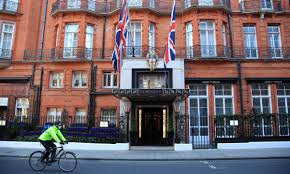 UK Hotel Vacancy Crisis: Tourism Industry Faces £820,000+ Weekly Loss">

The Hidden Cost of Vacant Hotel Rooms in the UK
The tourism industry in the UK is grappling with a significant loss, as hotel rooms remain unoccupied at an alarming rate, costing the sector more than £820,000 every week. This sharp decline in hotel occupancy highlights the broader challenges facing hospitality providers and the ripple effects felt across the travel and leisure market.
Economic Impact on Tourism and Hospitality
Hotel vacancies directly translate into lost revenue not only for accommodation providers but also for other sectors closely tied to tourism, such as restaurants, transport, and entertainment services. The perishable nature of hotel room availability means that any unsold room for the night results in irreversible revenue drop, intensifying the financial strain on the industry. This phenomenon reveals how delicate the supply-demand balance is within tourism and hospitality, making efficient demand management vital.
Factors Contributing to High Vacancy Rates
Multiple elements contribute to these empty rooms, including seasonal demand fluctuations, shifts in consumer travel behavior, and external economic pressures. While business travel tends to sustain hotels during weekdays in cities, leisure travel peaks during weekends and summer months, yet still falls short to maintain full occupancy year-round. Additionally, the rise of alternative accommodation platforms and shifts in traveler preferences play roles in this complex scenario.
Structure and Characteristics of the UK Accommodation Sector
The UK accommodation landscape is notably fragmented, with approximately 47,000 establishments, among which around 27,000 are hotels. Most hotels are small-scale, operated by owner-proprietors with fewer than 10 rooms, while about 1,500 hotels are larger and often part of hotel groups. This diversity in scale and ownership structure makes the hospitality sector highly varied.
| Accommodation Type | Estimated Number | Ключові особливості |
|---|---|---|
| Small Hotels | ~25,500 | Less than 10 rooms, owner-operated |
| Large Hotels | ~1,500 | More rooms, often part of hotel chains or groups |
| Self-catering Cottages & Villas | Numerous | Non-serviced accommodation, popular for family holidays |
Hotel locations are strategically important, with proximity to tourist attractions serving as a key draw rather than the accommodation itself. Given the fixed supply and high fixed operating costs such as property maintenance and staffing, unused rooms become a costly liability.
Service Variations and Demand Patterns
Accommodation can be categorized by the level of services offered. Hotels typically provide full service including cleaned rooms and meals, whereas self-catering options limit such offerings to empower guests to manage their own stays. Business tourism generally dominates weekday bookings in metropolitan areas, while leisure tourism spikes on weekends and during holidays.
Historical Perspective on UK Accommodation and Tourism
The UK’s hospitality industry evolved from smaller inns and guesthouses into a more structured market influenced by urbanization and travel advances during the Industrial Revolution. Over the decades, accommodation became a defining aspect of the tourism sector’s infrastructure, assembled with a mix of privately owned properties and larger chain hotels.
Over time, governments and tourism boards have introduced quality assurance schemes to help consumers select accommodations suited to their needs. These range from star ratings to diamond systems for guesthouses and B&Bs, targeting consistency and improving service standards nationwide.
Evolution of Accommodation Types
- Hotels: From luxury city hotels to budget options, hotels have grown in number and sophistication, reflecting global trends and demands.
- Self-catering Options: Including cottages and holiday villages, appealing to families and long-stay tourists.
- Campgrounds and Caravan Parks: Modernized parks incorporate extensive facilities catering to leisure travelers.
- Timeshare and Shared Ownership: Innovative ownership models that have gained popularity, particularly in scenic rural and coastal areas.
Looking Ahead: Implications for UK Tourism and the Boating Sector
As the tourism industry navigates fluctuating demand, the accommodation sector must adapt to changing traveler expectations and evolving market dynamics. Emerging travel habits, such as personalized vacations and experiential tourism, could influence how accommodations market themselves and manage room inventory.
For regions with access to water bodies such as coastal towns, lakes, and rivers, there lies an opportunity to integrate accommodations with active boating and sailing activities. The synergy between land-based hospitality and marine experiences could boost both sectors, inviting more visitors to enjoy the sea air and open water alongside comfortable stays.
Potential Strategies to Mitigate Room Vacancy
- Dynamic Pricing: Adjusting room rates to stimulate demand during low periods.
- Package Deals: Combining accommodation with local activities, including sailing or fishing excursions, to create attractive offers.
- Promotion of Off-peak Travel: Encouraging tourists to visit during quieter seasons to balance occupancy rates.
- Enhanced Digital Booking Systems: Leveraging advanced reservation platforms to optimize room sales and occupancy.
The Role of Marinas and Water-Based Tourism
Waterfront accommodations near marinas and coastline towns increasingly find themselves integrated into the broader tourism ecosystem. Boating enthusiasts look not only for rental options but also for nearby lodging providing easy access to the water. The alignment of hotel availability with marina facilities can prove mutually beneficial.
Висновок
The issue of empty hotel rooms costing the UK tourism industry over £820,000 per week underscores the fragility and complexity of the hospitality market. With a highly fragmented accommodation sector and fluctuating demand, the balancing act between supply and demand remains central to economic sustainability.
Looking ahead, coastal and lakeside destinations stand to gain by combining attractive accommodation offers with dynamic boating and sailing activities. This integrated approach can enhance tourism appeal, helping hotels, marinas, and charter services thrive. For those passionate about yachting, sailing, and boating, the UK’s waterways and marinas provide wonderful opportunities to blend leisure with accommodation comfort.
For travelers and sailing aficionados looking to explore rich marine destinations with flexibility in accommodations and yacht charters, GetBoat.com serves as a premier international marketplace offering an extensive range of boats and sailing yachts for rent, catering to every taste and budget.