


 Українська
  English (UK)
  Русский
  العربية
  日本語
日本語  한국어
한국어  Magyar
  Türkçe
  Español
  Čeština
  Svenska
  Português
  Ελληνικά
  Suomi
Suomi  Nederlands
  Română
  Italiano
  Français
  Polski
  Deutsch
  简体中文
简体中文  Slovenčina
 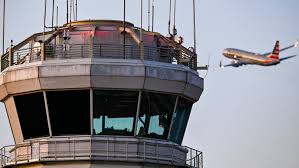 Extensive US Flight Delays Triggered by Air Traffic Control Staff Shortages">

Widespread Flight Delays Across the US Airspace
The United States encountered serious disruptions in air travel recently, with more than 8,000 flights delayed in a single day due to significant absences of air traffic controllers. The shortages stem from ongoing difficulties within the Federal Aviation Administration (FAA) linked to a prolonged federal government shutdown. Several major airports faced issues as the staffing crisis affected daily operations, leading to widespread travel delays and cancellations.
The Scale and Scope of the Delays
On that Sunday, delays reached a staggering figure of over 8,000 flights nationwide by late evening, representing a sharp increase from the roughly 5,300 delays the day before. Major airlines like Southwest, American Airlines, United, and Delta were heavily impacted, with notable shares of their flights delayed. The staffing shortages affected air traffic control facilities at 22 FAA locations, illustrating a systemic strain that threatens to worsen if left unresolved.
| Авіалінія | Number of Delayed Flights | Approximate Percentage of Total Flights Delayed |
|---|---|---|
| Southwest Airlines | 2,000 | 45% |
| American Airlines | 1,200 | 33% |
| United Airlines | 739 | 24% |
| Delta Airlines | 610 | 17% |
Strain on Air Traffic Control and Safety Concerns
The crisis has placed incredible pressure on around 13,000 air traffic controllers and approximately 50,000 Transportation Security Administration (TSA) officers who must perform their duties without pay during this period. Many controllers have been taking on extra jobs to compensate for missed paychecks, contributing to fatigue and concerns about safety within the national airspace system. The FAA has even implemented ground delay programs at key busy airports including Chicago O’Hare, Washington Reagan National, and Newark Liberty International because of the shortage of personnel.
A Brief History of Government Shutdowns Affecting Air Travel
Government shutdowns have periodically disrupted public services in the United States, with previous instances providing insight into the effects on aviation. For example, a 35-day shutdown in 2019 increased absenteeism among air traffic controllers and TSA officers, leading to longer wait times at security checkpoints and slowed air traffic management in regions such as New York and Washington.
Historically, the Federal Aviation Administration has struggled to maintain optimal staffing levels, even outside of shutdown periods. Prior to the recent crisis, the FAA was already short of its target by approximately 3,500 air traffic controllers, many of whom routinely worked overtime and six-day workweeks.
Operational Challenges During Shutdowns
- Mandatory overtime for controllers increases fatigue risks.
- Frontline workers such as TSA officers remain active despite lack of pay.
- Delays during shutdowns tend to surpass average national figures.
- Key hubs suffer more pronounced operational limitations.
The shortage of air traffic controllers and security staff during shutdowns not only causes inconvenience but also impacts the overall experience and safety of air travel. Airlines face cascading delays, forcing passengers to endure unpredictable schedules and disrupted itineraries.
Future Outlook: Implications for Travel and Tourism
The persistence of staffing shortages in air traffic control services threatens longer-term repercussions for the US aviation industry and tourism sector. Flight delays and cancellations can lead to reduced confidence among travelers, potentially affecting tourism influx and associated economic activities. While the aviation network holds a critical role in driving the flow of tourists domestically and internationally, sustained disruptions could alter travel plans, reshuffle destination popularity, and heighten operational costs.
Potential Developments:
- Pressures to resolve budgetary standstills may intensify to restore normal air travel operations.
- Investment in automation and air traffic management technologies could gain urgency.
- Airlines might adjust scheduling and routing strategies to accommodate staffing limits.
- Tourism businesses near major airports may experience fluctuating demand aligned with travel disruptions.
Given the central role of air transport in the tourism industry, including the chartering of flights and movement of passengers to coastal and lake destinations, the wider impact on related sectors such as yachting and boating activities could be noticeable. Travel plans for leisure seekers aiming to combine air travel with boating adventures may require additional flexibility to accommodate unpredictable airspace management.
Висновок
US air travel has grappled with substantial delays due to ongoing air traffic control staff shortages, intensified by an extended federal funding deadlock. Airlines serving millions of passengers daily have experienced high levels of delay, with frontline staff working under challenging, unpaid conditions. This situation echoes prior government shutdown impacts, emphasizing the importance of stable staffing to sustain secure and efficient air travel. The outlook suggests that until budget issues are resolved and staffing returns to adequate levels, passengers and the tourism industry must brace for ongoing disruptions.
For travelers interested in destinations accessible by boat or yacht, and who may rely on air travel for reaching coastal and lake marinas, it’s crucial to monitor the evolving situation closely. Delays in airspace operations can ripple through the entire travel chain, affecting charter availability and timing.
GetBoat stands ready to assist travelers exploring sailing, yachting, and boat rental options across international destinations. Our platform offers a wide selection of yachts and sailing boats for every preference and budget. Stay informed on travel conditions and plan your adventure with confidence by visiting GetBoat.com.