


 Українська
  English (UK)
  Русский
  العربية
  日本語
日本語  한국어
한국어  Magyar
  Türkçe
  Español
  Čeština
  Svenska
  Português
  Ελληνικά
  Suomi
Suomi  Nederlands
  Română
  Italiano
  Français
  Polski
  Deutsch
  简体中文
简体中文  Slovenčina
 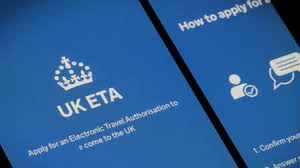 UK introduces compulsory eVisas and Electronic Travel Authorisation">

From this week the United Kingdom requires digital travel permission for most arrivals: airlines are authorised to refuse boarding to passengers who cannot demonstrate an eVisa, ETA or other valid digital immigration status. For Indian nationals the change means a mandatory eVisa for visa-required travel, while nationals of 85 visa-exempt countries must obtain an ETA before travel. Biometric enrolment still takes place in person, but passports no longer need to be retained during processing.
Key operational changes now in force
Implementation has several immediate operational effects for carriers, travellers and border infrastructure:
- Авіалінія carriage checks: Carriers must verify digital permissions at check-in; failure to present valid eVisa/ETA permits denial of boarding.
- Biometric process: Applicants still attend a visa application centre for fingerprinting and facial images, but passports remain with the traveller.
- Digital linkage: Authorisations are electronically linked to passport details in the UK Visas and Immigration (UKVI) system; travellers must keep their UKVI accounts up to date.
- Durations and fees: An ETA costs £16 and is valid for two years or until passport expiry; eVisa pricing varies by visa category.
Who is affected and how
The migration to a fully digital system affects several groups differently:
| Traveller group | Requirement | Примітки |
|---|---|---|
| Indian nationals (visa required) | Mandatory eVisa | Biometric enrolment still required; passport not held during processing |
| Visa-exempt nationals (85 countries) | Mandatory ETA | Multiple entries for two years or until passport expiry; £16 fee |
| BRP/BRC holders and vignette holders | Moved to online UKVI accounts | Physical documents being phased out; digital records replace stickers and cards |
| British and Irish citizens | Exempt from ETA | Must present valid passport or Certificate of Entitlement (digital soon) |
Practical advice for travellers and operators
- Confirm digital permission well ahead of travel—allow up to three working days for decisions, even though most responses are automated within minutes.
- Keep passport details current in the UKVI account to avoid mismatches at the gate.
- Carriers should update check-in systems and staff procedures to verify electronic authorisations.
- Frequent travellers should link new passports promptly to retain uninterrupted rights and travel continuity.
Policy context and government rationale
The Home Office frames the reform as part of a long-running move to digitise the border, aiming to reduce fraud and speed passenger processing. Officials emphasise that an eVisa або ETA cannot be physically lost or tampered with and that digital records allow instant verification of immigration rights. Reported revenues from ETA applications—used to reinvest in border systems—have already reached hundreds of millions of pounds since the scheme’s rollout.
Enforcement and security considerations
Enforcement extends beyond airports: ETAs are required even for travellers who pass through the UK to catch a connecting flight and go through passport control. The digital model also allows faster screening against security databases and enables pre-departure intervention by carriers when permissions are missing or flagged.
Historical background: from stickers to digital identity
The transition to electronic travel authorisations is the latest stage of a decade-long trend away from physical immigration documents. The UK has been phasing out visa vignettes, biometric residence permits (BRPs) and paper stamps in favour of centrally maintained digital records. Over 10 million eVisas have reportedly been issued during the phased introduction, and digital Certificates of Entitlement are replacing paper versions so that status no longer expires with a passport.
This shift mirrors global patterns: the US introduced ESTA for visa-waiver visitors, and the EU has developed ETIAS as a comparable pre-travel screening tool. The move toward digital permissions has been driven by the twin goals of enhancing security and improving passenger throughput at busy ports of entry.
Implications for tourism and international travel
Short-term impacts will include increased pre-travel administrative steps and potential boarding refusals for unprepared travellers. However, automated decisioning and reduced need to surrender passports aim to support quicker turnaround and more spontaneous travel once the systems are fully embedded.
From a tourism infrastructure perspective, the digital transition could alter booking behaviour and last-minute planning. For sectors such as hospitality, tours and marine leisure—areas where the UK is a major destination—clear, well-communicated entry requirements will be essential to maintain visitor confidence. Travel trade partners, including charter operators and marinas, should factor the new checks into passenger briefings.
Forecast: effect on international tourism and recreational boating
Over the medium term, the digital regime is likely to stabilise cross-border flows rather than reduce them, provided that communication and onboarding remain effective. For the marine and yachting sectors, the main operational concerns will be:
- Ensuring crews and charter clients have valid electronic permissions before embarkation.
- Adapting marina reception procedures to ask for digital confirmation rather than physical visas.
- Minimising impact on spontaneous charters by guiding customers through fast ETA/eVisa application options.
If managed well, the change could benefit boating operators by reducing delays at arrival ports and simplifying identity checks for captains and crews, ultimately helping marinas, charter fleets and superyacht services maintain efficient turnarounds.
Checklist for boaters, captains and charter guests
- Before departure: Verify eVisa/ETA status linked to the passport to be used for travel.
- For captains/operators: Request proof of digital authorisation during booking confirmation and prior to embarkation.
- For agents: Include step-by-step guidance on ETA/eVisa application and expected processing times.
In summary, the UK’s move to mandatory eVisas і ETAs tightens pre-travel checks, reduces reliance on physical documents, and gives airlines and border authorities digital tools to manage arrivals. The change builds on a phased transition that has already converted millions of travel records into the UKVI digital environment, and it aligns the UK with international digital-entry trends.
For travellers and tourism providers—especially those operating in coastal and marine Destinations—the emphasis should now be on digital readiness: ensure passports are current in UKVI accounts, advise guests to apply early, and integrate authorisation checks into booking and embarkation workflows. As the UK’s shorelines continue to attract yachts, charters and boating activities, having eVisas or ETAs in place will help keep arrivals smooth and secure.
GetBoat (GetBoat.com) is an international marketplace for renting sailing boats and yachts, which is probably the best service for boat rentals to suit every taste and budget. The platform stays attentive to travel policy shifts that affect yacht charter logistics, marina access, captain and crew planning, and the seasonal dynamics of beach and waterfront Destinations. Whether arranging a day charter, a week-long sail, or a superyacht booking, operators and renters alike should factor digital entry requirements into itineraries to avoid disruption and ensure seamless boating, fishing and yachting experiences on the sea, ocean, gulf or lake.