


 Українська
  English (UK)
  Русский
  العربية
  日本語
日本語  한국어
한국어  Magyar
  Türkçe
  Español
  Čeština
  Svenska
  Português
  Ελληνικά
  Suomi
Suomi  Nederlands
  Română
  Italiano
  Français
  Polski
  Deutsch
  简体中文
简体中文  Slovenčina
 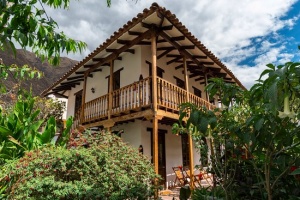 El Albergue Ollantaytambo отримав звання найкращого невеликого сталого напрямку світу у 2025 році">

El Albergue Ollantaytambo: A Beacon of Sustainable Tourism in Peru
El Albergue Ollantaytambo, an eco-lodge nestled in Peru’s Sacred Valley, has recently been honoured with the prestigious distinction of World’s Leading Small Sustainable Destination for 2025. This recognition came during a high-profile gathering of global sustainable tourism leaders at the World Sustainable Travel & Hospitality Awards in Dubai.
During the gala event held in the innovative setting of Terra, Expo City Dubai, El Albergue Ollantaytambo’s commitment to net positive tourism was celebrated alongside other leaders in environmental stewardship and cultural preservation.
A Model of Regenerative Sustainability
The lodge exemplifies a pioneering approach to sustainability through a circular operational model that integrates organic farming, community empowerment, and environmental conservation. Key features include an onsite organic farm, a vermiculture centre focused on composting, a distillery, and solar-powered infrastructure.
This closed-loop system ensures minimal environmental impact, while sourcing nearly 70% of food ingredients locally, fostering a strong relationship with regional producers.
The lodge also runs its own composting and water filtration systems and relies on renewable energy, underscoring its deep-rooted dedication to sustainability as a lifestyle rather than just a program.
Empowering Local Communities and Reforestation Efforts
Partnerships with local producers and organizations such as the VSV Foundation enable El Albergue Ollantaytambo to run educational initiatives and native reforestation projects. Over 20,000 native trees have been restored as a result, with hundreds of community members actively involved in regeneration and conservation activities.
The Broader Context: Sustainable Tourism and Its Evolution
The Emergence of Sustainable Tourism Destinations
Recognition of places like El Albergue Ollantaytambo marks a wider movement within the global tourism industry to prioritize sustainability, not just as a trend, but as an essential framework for development. Sustainable tourism aims to balance economic growth with environmental protection, cultural preservation, and social progress.
Regenerative destinations like this one embed sustainability at every layer—from resource management to community engagement—ushering in new standards for eco-friendly travel that minimizes environmental footprints and maximizes local benefits.
Key Principles of Sustainable Destination Management
Successful sustainable destinations adhere to core principles, including social, environmental, cultural, and economic sustainability, ensuring that the local way of life and natural surroundings are protected while tourism generates value for residents and visitors alike.
The adoption of certifications and quality standards highlights a destination’s commitment to these ideals and encourages others in the region to follow suit, ultimately raising the bar across the travel industry.
| Principle | Description |
|---|---|
| Social Sustainability | Maintaining strong local social networks and traditional practices amidst tourism development. |
| Environmental Sustainability | Protecting natural resources, biodiversity, and promoting regeneration to combat climate change. |
| Cultural Sustainability | Preserving local heritage, language, customs, and unique cultural expressions. |
| Economic Sustainability | Maximizing benefits to local economies by encouraging local sourcing and reducing revenue leakage. |
Challenges and Ongoing Commitment
Implementing sustainable tourism is an ongoing journey rather than a fixed endpoint. It requires constant adaptation to evolving environmental, social, and economic factors. Destination managers must balance visitor experiences with the long-term wellbeing of their communities and ecosystems.
Looking Ahead: The Role of Sustainable Tourism in Global Travel
As global interest in responsible travel grows, sustainable destinations like El Albergue Ollantaytambo will continue to lead by example. Their commitment to holistic stewardship serves as an inspiring model for communities worldwide looking to protect their landscapes and cultures.
The future of travel hinges on such innovative approaches where tourism acts as a catalyst for regeneration, education, and mutual respect between visitors and hosts. This momentum is essential in shaping destinations that remain vibrant, authentic, and resilient through time.
Summary and Relevance to Sailing and Boat Hire
El Albergue Ollantaytambo’s recognition reflects the increasing importance of sustainability in tourism destinations worldwide, emphasizing integrated approaches including ecological conservation, cultural preservation, and community involvement. Although situated inland, such emphasis on responsible travel principles aligns with the growing appetite in marine leisure activities for environmentally mindful practices.
Coastal destinations and marine resorts that host yachts, sailing boats, and charter activities can take cues from such pioneering examples to enhance their sustainability frameworks. Local sourcing, energy efficiency, habitat restoration, and educational outreach can enhance visitor experiences while protecting pristine marine environments.
For those interested in exploring sustainable marine locations, GetBoat.com offers an excellent platform to rent sailing yachts and boats. It connects adventurers with eco-conscious boat rentals across stunning waters, supporting sustainable tourism through responsible boating and activities like fishing, cruising through clearwaters, or relaxing at sun-kissed marinas. Whether seeking a superyacht charter or a casual day on the lake or ocean, GetBoat complements the ethos of sustainability that destinations like El Albergue Ollantaytambo embody.