


 Українська
  English (UK)
  Русский
  العربية
  日本語
日本語  한국어
한국어  Magyar
  Türkçe
  Español
  Čeština
  Svenska
  Português
  Ελληνικά
  Suomi
Suomi  Nederlands
  Română
  Italiano
  Français
  Polski
  Deutsch
  简体中文
简体中文  Slovenčina
 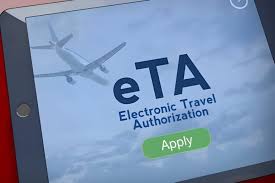 Sri Lanka Drops ETA Requirement, Eases Tourist Visa Process">

Removal of Electronic Travel Authorisation for Tourists
Sri Lanka has taken a significant step to simplify travel by eliminating the requirement for tourists to obtain an Electronic Travel Authorisation (ETA) before arriving. The Department of Immigration and Emigration confirmed that while existing visa procedures remain effective for now, travellers can revert to the visa application process that was in place before October 15. This change lifts an added administrative layer, making it easier for international visitors to plan their trips to the island.
With this adjustment, tourists no longer need to secure ETAs in advance, although all other visa rules and services continue as before until further updates are announced.
Impact on Tourism Flow and Market Focus
The initiative is particularly relevant in light of Sri Lanka’s growing tourism numbers, with India identified as the country’s largest inbound market over recent months. The easing of visa formalities can boost arrivals by removing a common hurdle faced by travellers, especially from neighbouring nations and other parts of Asia.
Tourism remains a key economic pillar for Sri Lanka, and facilitating easier access aligns with strategies to expand visitor inflow.
Visa Procedures Before and After ETA Introduction
| Visa Process Phase | Requirement | Application Method |
|---|---|---|
| Before October 15 | No ETA Needed | Traditional visa application process through consulates or embassies |
| October 15 Onwards | ETA Required (Now Withdrawn) | Mandatory electronic submission prior to travel |
| Current | ETA No Longer Required | Return to pre-October 15 visa procedures |
A Brief History of Sri Lanka’s Tourism and Visa Policies
Sri Lanka, with its unique position connecting East and West, has a rich history as a trading hub famed for spices and precious gems. European influence arrived in the 16th century with Portuguese, Dutch, and later British colonists.
The island’s spectacular coastline, scenic hills, diverse wildlife, and rich cultural heritage—including UNESCO World Heritage sites—have made it a draw for travellers worldwide.
Tourism, historically constrained by internal conflicts lasting several decades, has seen a remarkable revival since the end of hostilities in 2009. Tourist arrivals climbed from under half a million in 2009 to over one million by 2012, with targets set to reach 2.5 million annually in the near term.
Until recently, visa facilitation measures such as ETAs were introduced to streamline entry and encourage international tourists, reflecting global trends to liberalize and ease travel restrictions.
Tourism Profile of Sri Lanka
- Population: Approximately 21 million
- Climate: Tropical with coastal lowlands averaging 27°C and cooler central highlands
- Key Attractions: Ancient ruins, wildlife sanctuaries, beaches, natural parks, and cultural festivals
- Tourism Contribution: Rapidly growing sector aiming to contribute significantly to GDP and employment
Visa Facilitation and Its Broader Role in Tourism Growth
The removal of the ETA requirement fits into a wider global effort to facilitate international tourism by reducing bureaucratic barriers. Visa policies, traditionally designed to regulate national security and immigration, can sometimes stifle tourism growth due to complexity and cost.
In recent decades, many countries have eased visa regulations through bilateral and multilateral agreements, including visa waivers, visa on arrival, and eVisa systems, fostering increased visitor numbers and economic benefits.
For Sri Lanka, simplifying visa access can enhance destination competitiveness, making it more appealing to travelers seeking smooth, hassle-free entry, ultimately benefiting the tourism economy and related sectors such as hospitality, local transport, and recreational activities.
Key Areas Where Visa Facilitation Enhances Tourism
- Information Availability: Providing clear, reliable guidance on visa processes
- Technology Use: Adoption of online platforms for visa applications and approvals
- Differentiated Treatment: Easier access for tourists from important markets
- Regional Agreements: Promoting free movement in cooperating countries
Looking Ahead: The Significance for Sri Lankan Tourism
With its beautiful coastline stretching over 1,340 km, Sri Lanka is not only a land destination but also a magnet for marine and beach activities, including yachting and boating in the Indian Ocean. Easing entry formalities enhances its appeal to sailing enthusiasts and charter vacationers who frequently explore tropical maritime destinations.
More accessible visa procedures can encourage a more diverse visitor profile, from cultural tourists to adventure seekers enjoying water sports and cruises. Yacht charters, fishing excursions, and visits to picturesque waterfront marinas stand to gain from increased tourist volumes spurred by these policy reforms.
Tourism and Sailing Synergy
The easier access method can stimulate growth in marine activities along Sri Lanka’s shores. Yacht rental operators, sailing schools, and coastal resorts may witness a rise in business from both first-time visitors and seasoned sailors drawn by Sri Lanka’s natural beauty and warm tropical waters. Understanding these visa policy changes is useful for anyone planning chartering or boat rental vacations in the region.
Висновок
Sri Lanka’s decision to drop the Electronic Travel Authorisation requirement removes a notable friction point in international travel, reverting to simpler visa processes that existed earlier. This easing is expected to bolster the already recovering tourism sector, nurturing economic growth and positioning Sri Lanka as an accessible, welcoming destination.
The island’s spectacular beaches, wildlife, heritage sites, and inviting climate make it a prime candidate for increased tourism activities including marine and yachting adventures. Sailing enthusiasts and tourists looking to rent boats or yachts will find the improved entry policies helpful in planning seamless travel experiences.
For travelers eager to explore Sri Lanka’s vibrant shores and crystal-clear waters, GetBoat.com offers an extensive marketplace for renting sailing boats and yachts, catering to a variety of tastes and budgets, perfectly complementing the country’s growing appeal as a premier marine destination.