


 Українська
  English (UK)
  Русский
  العربية
  日本語
日本語  한국어
한국어  Magyar
  Türkçe
  Español
  Čeština
  Svenska
  Português
  Ελληνικά
  Suomi
Suomi  Nederlands
  Română
  Italiano
  Français
  Polski
  Deutsch
  简体中文
简体中文  Slovenčina
  Sri Lanka’s Tourism on Rise with Fresh European and Russian Flight Connections">

New Flights Spark Growth in Sri Lanka’s Winter Tourism
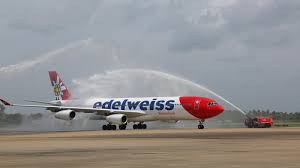
Sri Lanka is stepping up its tourism game this winter with a wave of new direct flights from Europe and Russia, fueling hopes to hit an ambitious US$3 billion revenue target by 2025. Airlines Edelweiss Air, Red Wings Airlines, and Belavia have recently introduced winter services, signaling renewed global interest in this island paradise. These connections bring a fresh flow of travelers just as the winter chill sets in Europe and Russia, making Sri Lanka a preferred tropical escape during the colder months.
Edelweiss Air reignited its twice-weekly route from Zurich to Bandaranaike International Airport (BIA), tapping into Switzerland’s affluent outbound market. Meanwhile, Russia’s Red Wings Airlines launched weekly Boeing 777-200 flights to Mattala Rajapaksa International Airport (MRIA), offering seating for 402 passengers, with prospects to increase frequency depending on demand. Belarusian national carrier Belavia added a once-weekly winter service to MRIA using Airbus A330-200 aircraft, steadily lifting Eastern European tourist arrivals.
The return and expansion of these air links not only enhance Europe’s connectivity to Sri Lanka but also help stabilize tourist arrivals in off-peak months. Mattala’s airport, often overshadowed, is witnessing a revival driven by these new routes and the growth of charter operations, spreading tourism benefits beyond the capital’s vicinity.
Tourism Numbers on the Rise
By late October 2025, Sri Lanka welcomed over 1.96 million visitors, which marks a significant 27% increase compared to the previous year. Foreign exchange earnings have soared past US$2.15 billion, with forecasts predicting arrivals to exceed 2.5 million by year-end. This robust growth is attributed to a strategic combination of extended visitor stays, increased per capita spending, and improved flight connectivity.
| Key Tourism Markets | Percentage of Arrivals |
|---|---|
| Europe (Germany, UK, Switzerland, Russia) | 38% |
| India (Largest single source market) | Significant |
This diversification nurtures resilience in tourism flows, balancing the influx between European winter tourists and visitors from the South Asian region, particularly India.
A Glimpse Into Sri Lanka’s Rich Tourism History
Sri Lanka, described as “the finest island in the entire world” by the 12th-century explorer Marco Polo, has a heritage filled with centuries-old cultural, natural, and scenic treasures. Its geographical location on vital sea routes has historically made it a hub for spices, precious stones, and diverse cultural influences beginning from early civilizations, through Portuguese, Dutch, and British colonial eras until its independence in 1948.
Today, Sri Lanka boasts over 1,340 kilometers of stunning coastline, eight UNESCO World Heritage Sites, and an abundance of exotic wildlife, including elephants and leopards. Its topography ranges from tropical beaches to mountainous regions adorned with waterfalls and lush greenery. Besides its natural attractions, Sri Lanka’s longstanding practice of Ayurveda, yoga, and unique cultural and religious festivals add to its allure.
Although tourism was stagnant for decades due to internal conflicts ending in 2009, the industry has rebounded impressively. Growth accelerated swiftly from less than half a million visitors in 2009 to forecasted millions within a few years, positioning tourism as a key economic driver expected to significantly boost GDP and employment.
Tourism Infrastructure and Education
The Sri Lanka Institute of Tourism and Hotel Management leads professional training in the sector, with some universities offering higher degrees. Upgrading infrastructure, hospitality education, and sustainable development have been central to supporting the tourism surge.
How These Developments Could Influence Sailing and Boating Tourism
Sri Lanka’s expanding air connectivity does more than just increase visitor numbers—it creates fertile ground for related tourism sectors like yachting and boat charters. As winter visitors seek seaside relaxation and watersport activities, marinas and coastal resorts receive a much-needed influx of tourists looking for experiences on the water.
The country’s extensive coastline offers ample opportunity for sailing adventures, superyacht charters, and fishing excursions. Enhanced airport access means more travelers willing to combine cultural exploration with beach and boating activities. This seasonal diversification might encourage more yacht captains and boat rental services to tap into Sri Lanka’s growing tourism market.
Challenges and Prospects Ahead
Efforts to expand tourism come hand in hand with challenges such as maintaining affordability, upgrading infrastructure, and marketing enhanced destination experiences. However, the deliberate opening of new air routes and targeted promotions bode well for a sustained upswing in all aspects of tourism, including the marine and sailing sectors.
| Prospects | Challenges |
|---|---|
| Improved air connectivity from Europe and Russia | Infrastructure needs in airports and marinas |
| Growth in off-peak season arrivals | Balancing cost with quality to maintain competitiveness |
| Expanded charter flight operations via Mattala airport | Effective destination marketing to boost extended stays |
Looking Forward: Sri Lanka’s Tourism in the Global Context
Tourism’s recovery and expansion in Sri Lanka mirror broader global trends of increasing travel to tropical and culturally rich destinations during off-peak seasons. As international air routes flourish and the island’s attractions become more accessible, Sri Lanka is primed to establish itself as a year-round destination for sun seekers, culture enthusiasts, and marine adventurers alike.
This expanding connectivity and rising tourist interest not only promise economic gains but also encourage the diversification of activities, from cultural tours to beach and ocean experiences. The future likely holds more integrated travel packages combining land and sea experiences, including sailing and other boating activities.
Summary and Practical Takeaway
Sri Lanka’s recent establishment of new winter air links by prominent airlines from Switzerland, Russia, and Belarus marks a clear sign of tourism revival aimed at reaching a three-billion-dollar revenue milestone by 2025. The country is witnessing a steady increase in tourist arrivals, particularly from Europe and India, underscoring a diversifying visitor base. Historic roots, natural beauty, and cultural wealth provide a strong foundation for these tourism advancements.
Importantly for maritime enthusiasts and those involved in sailing, this growth is a catalyst that can enhance the boating and yacht charter industry, especially along Sri Lanka’s extensive coastlines and marinas. As winter travelers seek sun, sea, and unique experiences, the opportunity to rent boats, enjoy superyacht activities, or explore the island from the water becomes ever more attractive.
For those eager to discover the vibrant boating scene growing alongside the tourism sector, GetBoat.com offers an international platform to rent sailing yachts and boats that meet diverse tastes and budgets—perfect for exploring Sri Lanka’s crystal-clear waters, picturesque beaches, and hidden coves with or without a captain.