


 Українська
  English (UK)
  Русский
  العربية
  日本語
日本語  한국어
한국어  Magyar
  Türkçe
  Español
  Čeština
  Svenska
  Português
  Ελληνικά
  Suomi
Suomi  Nederlands
  Română
  Italiano
  Français
  Polski
  Deutsch
  简体中文
简体中文  Slovenčina
 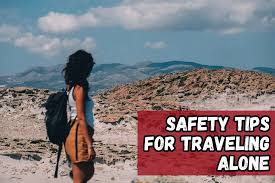 Essential Safety Tips for Solo Travelers">

Travelling solo offers unparalleled freedom and adventure, but it also comes with its own set of challenges. In this article, discover effective strategies to ensure safety whilst exploring unfamiliar destinations on your own.
1. Prepare Before You Depart
Safety starts long before you board your flight. Delve deeper than the standard guidebooks. Use community forums and social media platforms to ask about secure areas in your chosen destination. Crime maps and real-time reporting apps can give you critical insights—particularly in regions known for fluctuating safety, like Luxor in Egypt, where night-time travel needs extra caution. Put together a safety dossier containing emergency contacts, embassy information, and local taxi services. Save screenshots of vital data for offline access when connectivity may be limited.
2. Utilise Technology for Security
Your smartphone can transform into a powerful tool for enhancing personal safety. Install apps like TripWhistle Global SOS, which will help you access emergency numbers relevant to your location. Maintain access to multiple maps, such as Google Maps and Maps.me, ensuring you can navigate without relying solely on one source. Share your location with a trusted person; this provides an extra layer of security without needing constant communication. Familiarise yourself with activating the SOS feature on your phone, and consider labelling a contact as “Taxi” should any situation arise that requires discreet communication.
3. Choose Accommodations Wisely
Not all highly-rated hotels offer safety. Prioritise establishments located in well-lit and secure neighbourhoods, ideally with 24-hour reception, surveillance, and keycard access. Spend time reviewing traveller feedback specifically discussing safety, rather than just amenities. Words from previous guests like “friendly staff” or “peaceful at night” can provide essential context. Book a mid-level room for added safety and test all locks, considering a door wedge for extra security.
4. Cultivate Situational Awareness
Being aware of your surroundings is essential for safety. Take a moment to observe how locals interact and move about—body language and social cues often provide insight into safety levels in an area. If something feels off, trust your instincts and choose to move on. Whenever possible, connect with fellow travellers, especially when arriving in new places or navigating busy streets during the evening. Travelling with others can significantly decrease risk.
5. Dress Appropriately to Blend In
Sticking to local dress codes isn't just about being respectful, it can also protect you from unwanted attention. Especially in more conservative areas, covering your knees and shoulders is advisable. Avoid flashy clothes, tourist gear, and big cameras that can scream "I'm a newbie." If you're lost, pop into a shop to figure out your route rather than stopping in public. Walk with confidence to put off anyone who might be a threat.
6. Maintain Communication Without Oversharing
Establish a routine for checking in with someone back home, perhaps a simple text indicating you're safe and sound. One message could signal that everything's tickety-boo, while another indicates potential trouble. Register your travel plans with your embassy to bolster your chances of receiving rapid assistance if needs be. Planning for unreliable internet? Identifying alternative methods, like hotel telephones or offline messaging apps, will help keep you connected.
7. Manage Finances Sensibly
Distributing your funds is a clever tactic. Keep daily cash in your front pocket but stash away emergency money on your body or in separate, secure locations. Avoid carrying all your cards together: have one for daily transactions, another hidden, and a third secured in your hotel. Digitalise important documents and email copies to yourself, retaining hard copies in a different bag for redundancy.
8. Use Transportation Wisely
Steer clear of random cabs; instead, opt for pre-arranged or reputable ride-share apps. With these services, you can track your route and driver details. When using public transport, sit close to the driver and remain visible in crowded areas. Avoid multitasking with your phone while walking; find a secure place to get directions when necessary.
9. React Promptly to Threats
If faced with theft, remember that belongings can be replaced, but your safety cannot. If tension escalates, move toward a crowd and attract attention; most criminals avoid confrontation in public settings. Familiarise yourself with essential emergency phrases in the local language, memorise the emergency numbers, and identify nearby help before it becomes necessary.
10. Embrace Local Norms
Respecting cultural norms can greatly reduce friction. Practices considered normal in tourist zones may be inappropriate elsewhere. Observe how locals act, especially regarding authority figures, and adapt your interactions accordingly. Changes in local behaviour—like rushing crowds or sudden shop closures—are often significant; pay attention.
11. Prepare for Emergencies
Know how to reach your local embassy and understand what your travel insurance covers. Carry a small stash of cash in widely accepted currencies; it can be invaluable when your usual payment methods fail. Have alternative travel routes in mind for quick exit during recovery efforts, and keep emergency contacts readily available both online and offline.
12. Trust Your Intuition
Your instincts are a powerful ally in navigating unfamiliar territory. If a situation feels unsettling, remove yourself from it. Don’t wait for further proof or justification—your peace of mind is paramount. Embracing that feeling is often a crucial step toward maintaining safety during your travels.
Заключні думки
Solo travel should empower rather than instill fear. Achieving safety rests not in creating limitations but in adopting a proactive mindset backed by preparation and sensible strategies. The better informed and aware you are, the lighter your travel experience will feel. Remember, your most dependable safety tool is your perception combined with common sense. With vigilance and adaptability, embarking on solo adventures can lead to unforgettable journeys and safe returns.
Sailing and boating enthusiasts might find that following these safety tips enhances their experiences on the water as well. Whether exploring remote beaches, chartering a yacht, or renting a boat, being well-prepared ensures both enjoyment and peace of mind. Consider how these practices might translate into risk management on the open water, where safety and situational awareness are just as important. If you are looking for a reliable platform for yacht rentals and boating adventures, GetBoat.com remains a top choice, catering to every taste and budget.