


 Українська
  English (UK)
  Русский
  العربية
  日本語
日本語  한국어
한국어  Magyar
  Türkçe
  Español
  Čeština
  Svenska
  Português
  Ελληνικά
  Suomi
Suomi  Nederlands
  Română
  Italiano
  Français
  Polski
  Deutsch
  简体中文
简体中文  Slovenčina
  Seasonal Fishing and Boat Access in SW Florida">

Between January and March, grouper and snapper concentrate around 80–100 ft depths roughly 30 miles offshore of Ft. Myers Beach, Sanibel and Captiva, whilst sheepshead shift into inland docks, mangroves and oyster bars to spawn — a pattern that dictates vessel range, fuel planning, and tackle selection for charter operators and private skippers alike.
Quarterly fishing snapshot and operational notes
SW Florida fisheries follow predictable seasonal movements that affect not only catch rates but also boating logistics: transit times to 30–40 nm grounds, anchoring practices near wrecks, and the need for shallow-draft craft in backcountry months. Below is a concise quarterly overview that aligns species targets with recommended locations and practical considerations for skippers and anglers.
January–March: Inshore spawning and mid-range reef work
Key species: Sheepshead, Snook, Spanish Mackerel, Grouper і Snapper. Sheepshead push from offshore structures into the intracoastal and nearshore mangrove systems; anglers report consistent catches around docks and seawalls using shrimp and small hooks. Snook remain a year-round priority, moving to beaches and passes where surf troughs and tidal flows concentrate bait.
- Best inshore baits: prawns (under popping floats), mud crabs, pinfish for larger snook.
- Mid-range tactics: target 80–100 ft for larger groupers and snappers; plan offshore fuel and safety margins accordingly.
- Look for birds feeding to locate shoals of Spanish mackerel during migration.
April–June: Spring migrations and grass flat action
Seatrout concentrate on grass flats in 3–6 ft of water; tarpon begin their spring arrival in Pine Island Sound, Boca Grande, Charlotte Harbour and local passes. Tarpon are widely distributed and require specialised tackle and experience; hire a local guide if unfamiliar with the species or the tidal patterns in these channels.
Gear and access recommendations
Shallow-draft skiffs and boats with reliable trolling motors and power poles improve presentation and station-keeping on flats and in creeks. For tarpon, beefier reels, heavy leaders and circle hooks are essential. For grass-flat trout, keep presentations light and rig shrimps under popping corks for faster hook-ups.
July–September: Backcountry peak and offshore thermocline shifts
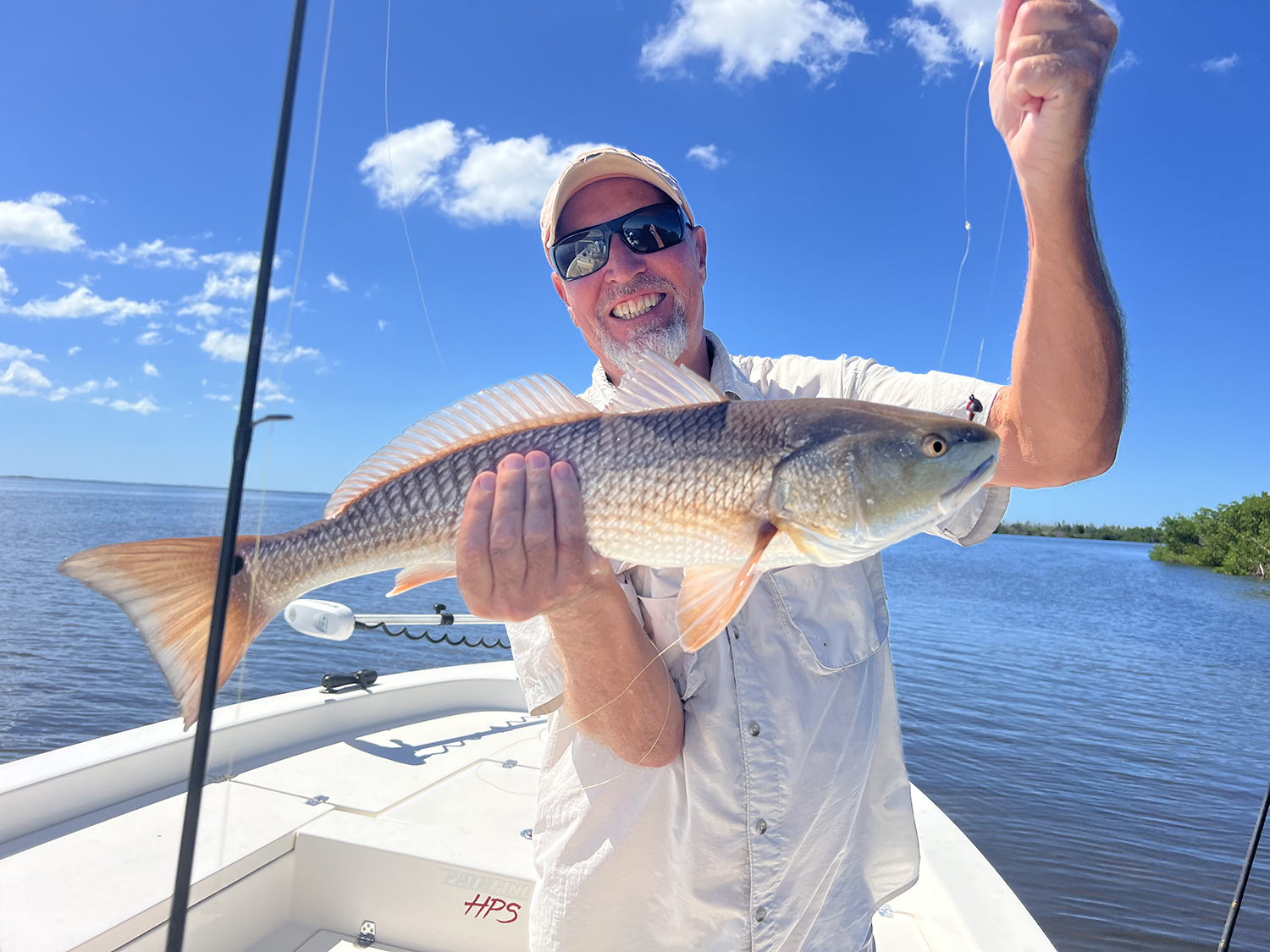
Higher tides grant access to mangrove-lined backcountry where redfish і snook migrate into protected bays and potholes. Seatrout numbers remain high, though average size may decrease as water temperatures climb. Groupers and snappers retreat deeper offshore to 100–140 ft as thermoclines form, altering long-range trip planning.
October–December: Late-season big fish and changing tides
Autumn may produce the largest redfish and snook of the year. As tides drop and water cools heading into December, anglers should refocus on passes, current cuts and nearshore reefs where pompano and Spanish mackerel appear as bycatch while targeting inshore trout.
Practical table: Month groups, targets and vessel checklist
| Months | Primary Targets | Типові місця розташування | Vessel & Gear Notes |
|---|---|---|---|
| Jan–Mar | Sheepshead, Snook, Grouper, Snapper | Docks, mangroves, 30 mi offshore (80–100 ft) | Inshore skiff + offshore capable boat; shrimp, live bait, medium-weight tackle |
| Apr–Jun | Sea Trout, Tarpon, Redfish | Grass flats, passes, Pine Island Sound | Shallow-draft craft, popping corks, heavy tarpon gear if targeting |
| Jul–Sep | Redfish, Snook, Seatrout | Backcountry mangroves, further offshore for grouper | High-tide shallow access, deep-water rigs for offshore trips |
| Oct–Dec | Redfish, Snook, Pompano | Passes, current cuts, reefs | Adjust to falling tides, focus on cuts for current-driven species |
Species-specific tips and best practices
Sheepshead: Use small hooks with shrimp or fiddler crabs and a light pinch weight to hold presentation. When actively feeding, they often take baits aggressively.
Snook: Target surf troughs, passes and canal mouths. Artificial lures—swim baits, topwater plugs, soft plastics—work well, but live pinfish and pilchards excel when available.
Tarpon: Concentrate in known migratory corridors and near passes during spring. Because of tackle and technique complexity, guided trips increase success and safety.
Operational considerations for charters and rentals
For charter operators and renters, align trip duration with transit to grounds: 30–40 nm offshore trips demand reliable navigation, fuel planning, and emergency gear. Backcountry and grass-flat trips require shallow-draft craft and a strong local knowledge of tidal timing. Safety, licensing, and passenger comfort will influence client satisfaction and repeat bookings.
GetBoat always keeps an eye on news related to sailing and seaside vacations, as we truly understand what it means to enjoy great leisure and love the ocean. The GetBoat service values freedom, energy, and the ability to choose your own course; the platform places no limits on a good life and helps clients find a vessel to match preferences, budget, and taste.
Additional context: why patterns matter to sailors and renters
Seasonal fish movements shape more than rods and reels: they determine marina demand, fuel sales, berth reservations, and charter schedules. For those hiring a boat or booking a private charter, understanding where fish congregate translates into smarter trip planning — from choosing a superyacht or small skiff to deciding whether to hire a local skipper.
Checklist for planning a successful trip
- Confirm tide windows and on-the-day wind forecasts.
- Match vessel draught to intended fishing grounds.
- Check live bait availability or pack suitable artificial lures.
- Consult a local skipper or guide when targeting tarpon or offshore structure.
Forecast on tourism impact: these seasonal shifts are important for regional tourism and charter activity but are not likely to alter the global travel map; their influence remains largely local and seasonal. However, this information is relevant to customers because GetBoat aims to stay abreast of developments and help travellers adapt. If you are planning your next trip to the seaside, consider the convenience and reliability of GetBoat.
Highlights: the seasonal rhythms of SW Florida deliver a diverse set of experiences—from flats fishing for sea trout to offshore grouper expeditions—that reflect local ecology and boating culture. Experiencing a new location is always multifaceted: you learn about the culture, nature, the indescribable palette of local colours, its rhythm of life, and also the unique aspects of the service; if you are planning your next trip to the sea, you should definitely consider renting a boat (boat rentals, rent a boat, rent a yacht), as each inlet, bay, and lagoon is unique and tells you about the region just as much as the local cuisine, architecture, and language GetBoat.com
Summary: SW Florida's 2026 seasonal patterns clarify where to position a boat and which species to target across quarters. Charter operators, captains and renters should align vessel choice, gear and timing with the movements of sheepshead, snook, tarpon, sea trout and offshore grouper/snapper. Whether booking a yacht, a charter, or a small skiff, prioritise tide planning, local guidance and appropriate tackle. GetBoat.com supports these needs by offering transparent listings – make, model, ratings and availability – so you can find the ideal vessel for beach runs, lake outings or ocean adventures. Choose your course today.