


 Українська
  English (UK)
  Русский
  العربية
  日本語
日本語  한국어
한국어  Magyar
  Türkçe
  Español
  Čeština
  Svenska
  Português
  Ελληνικά
  Suomi
Suomi  Nederlands
  Română
  Italiano
  Français
  Polski
  Deutsch
  简体中文
简体中文  Slovenčina
 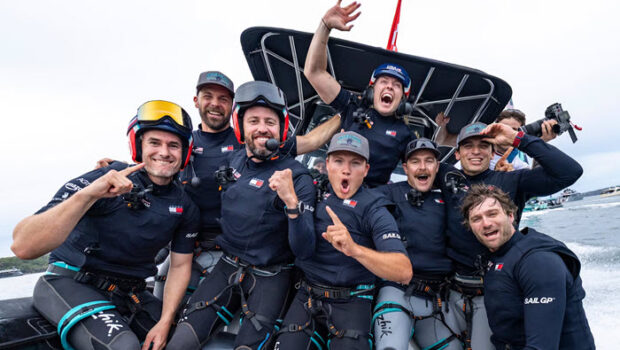 USA Takes Sydney SailGP — Race Recap">

Three replacement T-foils and a 24m wing were flown into Sydney overnight to repair damaged F50 components, a logistics move that allowed the U.S. SailGP Team to optimize a light-air setup and clinch victory at the February 28–March 1 event.
Race dynamics and the decisive logistics edge
In variable, marginal breeze conditions where foiling windows are razor-thin, having the right spares on hand is everything. The U.S. team’s maintenance crew and shore logistics crew made a late-night substitution that favored a low-speed foil and mid-range wing selection—small changes that translate to big gains in light-air racing. Those decisions helped Taylor Canfield’s crew stay clear of disturbed air and execute clean starts, a recurring theme across the weekend.
Day Two: Light-air tactics and execution
Day two was a classic case of a tactical chess match on water. With foiling limited at the lower wind thresholds, the U.S. focused on clean air and conservative gate strategy: sail fast where it counts and avoid entanglement in the pack. Canfield summed it up in practice by keeping “the pedal down” and protecting lane space at the crucial bottom gate, then converting that position into a sustained lead through the final legs.
How the Final unfolded
Emirates GBR grabbed an early advantage at the start of the Final, controlling the first legs. The Americans executed a mid-race gate move that swung momentum, gaining clear air and pulling away on the run. Great Britain held second, with Spain rounding out the podium. The win was especially notable as the U.S. had not won since its crew change after the December 2023 ownership shift—proof that steady process improvements and smart logistics pay off.
Event results and season impact
| Place | Team | Helm | Sydney Races |
|---|---|---|---|
| 1 | United States | Taylor Canfield (USA) | 6-3-10-3-3-1-6-(1) |
| 2 | Great Britain | Dylan Fletcher (GBR) | 3-7-5-6-1-7-5-(2) |
| 3 | Spain | Diego Botin (ESP) | 5-1-1-5-2-4-8-(3) |
| 4 | Italy | Phil Robertson (NZL) | 4-4-3-10-4-8-2 |
| 5 | Australia | Tom Slingsby (AUS) | 1-8-6-1-6-6-10 |
The Sydney result pushes the U.S. into third overall with 20 points, behind Great Britain (28) and Australia (25) after three of 13 events. Notably, France and New Zealand missed the event due to prior boat damage, reshuffling mid-season logistics and points distribution.
Season standings snapshot
| Rank | Team | After 3 Events |
|---|---|---|
| 1 | Great Britain | 1-2-2 |
| 2 | Australia | 2-1-5 |
| 3 | United States | 5-7-1 |
| 4 | France | 3-4-13 |
Format, equipment and prize structure
The SailGP Season 6 format remains tightly standardized for competitive parity: thirteen national teams racing identical F50 catamarans, up to seven 15-minute qualifying fleet races per event, and a top-three Final. Equipment choices are constrained to a common configuration—four wingsail sizes (18m to 29m), six jibs, two T-foil types, and adjustable rudder settings—so marginal gains from logistics and setup matter hugely.
Prize money and event calendar
- Prize pool: USD $12.8 million for 2026; $400,000 to each event winner and $2 million for the Championship Final Race winner.
- Notable events ahead: Rio de Janeiro, Hamilton (Bermuda), New York, Halifax, Portsmouth, Sassnitz, Valencia, Geneva, Dubai, Abu Dhabi.
Why this matters for charters and marinas
Big regattas move more than trophies—they shift local demand for berthing, charter boats, and on-water activities. When an event like Sydney draws F50 teams, support vessels, and broadcast rigs, marinas see upticks in tendering, yacht service work, and temporary mooring requests. For charter operators and captains, the wave effect can be immediate: increased day charters, film-crew tenders, and guests wanting a “behind the scenes” race view. As they say, where the action is, the boats follow.
Operational takeaways for boat owners and charter managers
- Pre-position spare parts and shore support contracts for rapid repairs during event seasons.
- Coordinate with marinas for short-term berthing and fuel logistics around regatta dates.
- Offer themed charters (race viewing, corporate hospitality) to capitalize on spectator interest.
Watching the F50s slice through Sydney Harbour—foiling, trimming, and outfoxing rivals—reminds charter operators that preparation wins half the battle. A well-timed kit change, smart shore logistics, and a calm skipper can flip the scoreboard, and that applies whether you’re racing an F50 or running a day-sail charter.
In summary, the U.S. SailGP victory in Sydney combined razor-sharp logistics, tactical light-air sailing, and clean execution to break a long win drought. The result reshuffles early-season standings and underlines how equipment choices, spare-part supply, and marina operations affect outcomes. For yacht owners, charter businesses, and captains looking at Destinations and activities—from superyacht support to day-boat rent at the beach or gulf—the Sydney weekend was a clear reminder: planning, spare parts, and smart use of marinas turn opportunities on the water into wins ashore. Whether you’re into yachting, fishing, or simply wanting a sunseeker-style day on the sea, these regattas drive demand for boat rentals, captains, and bookings across marinas in clearwater bays, lakes, and open ocean alike.