


 Українська
  English (UK)
  Русский
  العربية
  日本語
日本語  한국어
한국어  Magyar
  Türkçe
  Español
  Čeština
  Svenska
  Português
  Ελληνικά
  Suomi
Suomi  Nederlands
  Română
  Italiano
  Français
  Polski
  Deutsch
  简体中文
简体中文  Slovenčina
 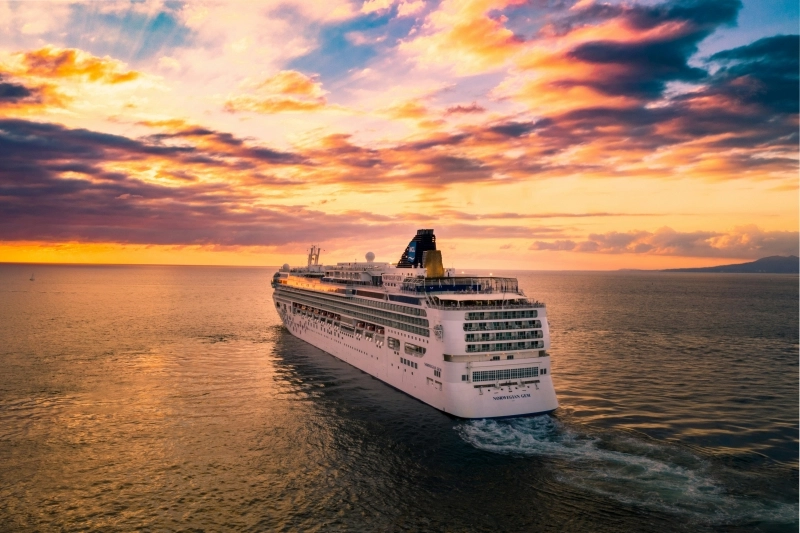 Younger Travellers Drive Growth in 2026 Cruise Bookings">

This piece reveals key findings from Internova Travel Group showing rising cruise demand for 2026, led by younger travellers and a surge in short and expedition-style voyages.
Summary of the 2026 Cruise Demand Picture
Internova Travel Group's analysis, presented in The Internova Index: North American Traveller Insights, shows a notable uplift in cruise bookings for 2026. The data draws from millions of travel reservations and a survey of 4,000 North American travellers spanning multiple generations and income brackets. While traditional ocean cruising still dominates overall market share, a clear shift is emerging toward short cruises, expedition voyages, and luxury small-ship experiences.
Who Is Driving the Change?
The most significant growth comes from Мілленіали і Gen Z, demographics historically underrepresented in cruise travel. Travel advisors within Internova’s network report many younger guests are first-time cruisers seeking trips of five days or less—trips that fit into busy schedules and limited paid time off. At the same time, affluent and adventure-oriented travellers are increasing demand for small-ship, high-end expedition cruises to remote destinations such as Antarctica, the Arctic, and the Galápagos.
Shifts in Product Demand and Pricing
The report highlights these product trends:
- Short getaways: Popular options for first-time cruises; lower cost and minimal time commitment.
- Expedition cruises: Higher demand with constrained capacity, pushing prices upward faster than other cruise types.
- Luxury yacht cruises: Growing interest amongst affluent travellers seeking personalised itineraries and exclusive access.
| Cruise Type | Preferred By | Typical Length | Price Trend |
|---|---|---|---|
| Ocean Cruises (Mainstream) | Boomers and mixed groups | 7–14+ days | Moderate increase |
| Short Cruises | Millennials, Gen Z, busy professionals | 2–5 days | Stable to moderate |
| Expedition Cruises | Adventure seekers, high-net-worth | 7–14 days (specialised) | Sharp increase |
| Luxury Yacht Cruises | Affluent travellers | Flexible | Growing demand |
Role of Travel Advisors and Booking Behaviour
Internova's findings underscore a renewed reliance on travel advisors. Respondents value advisor expertise for choosing cabins, evaluating ship amenities, and navigating the expanding range of cruise offerings. Advisors also help travellers discover lesser-known yacht and expedition brands and provide crucial support for itinerary changes or disruptions. This trend reinforces the role of professional guidance in converting first-time cruise shoppers—especially younger travellers—into repeat customers.
Advisor Services Valued Most
- Cabin selection and upgrade strategies
- Specialised itinerary recommendations
- Help with logistics and travel insurance
- On-the-ground vendor and excursion coordination
Historical Context: How Cruise Demographics Evolved
Cruising’s demographic profile has shifted substantially over recent decades. Historically, Бебі-бумери dominated the market, drawn to longer itineraries, onboard amenities, and schedule flexibility. Over the last 15 years, however, the industry has diversified product offerings—introducing river cruising, expedition voyages, small-ship luxury, and short-break itineraries—which in turn attracted new age groups.
Technological change, evolving leisure patterns, and a rise in adventure travel have fuelled interest in specialised voyages. Millennials and Gen Z prioritise unique experiences and authenticity, favouring destinations and activities that include wildlife encounters, immersive cultural stops, and active excursions. These preferences align well with expedition-style and yacht-based cruising, which offer access to remote anchorages, curated shore experiences, and smaller social footprints.
Key Milestones in Cruise Market Evolution
- 1990s–2000s: Expansion of mainstream ocean cruising and mega-ship amenities.
- 2010s: Growth in river cruising and boutique small-ship experiences.
- 2020s: Acceleration of expedition and luxury yacht offerings; tailoring for shorter itineraries.
Implications for International Tourism and the Marine Sector
The rise in short and expedition cruises carries several implications for destinations, marinas, and the broader marine rental market. Increased interest in specialty voyages can boost demand for local charters, private yacht excursions, and shore-based adventure activities. Remote destinations will see heightened visitation from small groups rather than mass tourism, which may require upgraded tender operations, protected-site management, and infrastructure investment.
Потенційні наслідки для вітрильного спорту та прокату човнів
- Increased demand for small-ship charters and private yacht rentals to cater for affluent and adventure-seeking travellers.
- Growth in short-segment charters—half-day, one- to three-day rentals—to match the short-cruise trend.
- Increased need for experienced captains and specialised guides for expedition-style outings.
- Pressure on premium marinas and remote anchorages to manage capacity and environmental impact.
Operational Considerations for Operators
Operators and marinas should prepare by diversifying fleet offerings, training staff for expedition logistics, and marketing short-form charters to busy travellers. Integrating sustainable practices and partner excursions that emphasise conservation will be important in destinations like polar regions and island archipelagos.
Forecast: What to Expect in 2026 and Beyond
Given the current trajectory, cruise demand for 2026 is likely to remain robust with continued expansion into short itineraries and expedition niches. Expect price pressure on limited-capacity offerings like expedition cruises, while short getaways provide an accessible on-ramp for younger travellers. Traditional ocean cruising will remain a cornerstone of the industry due to its volume and appeal to older demographics, but the market will become increasingly segmented.
From a tourism perspective, this segmentation offers opportunities for destinations to target higher-yield segments—luxury, expedition, and charter markets—whilst also cultivating entry-level cruising through short breaks and regional itineraries. For the boating and yacht rental sector, aligning inventory and marketing with these evolving preferences can unlock new revenue streams.
Overall, Internova Travel Group’s findings signal a dynamic cruise market in 2026: one shaped by younger travellers, shorter itineraries, and a growing appetite for expedition and yacht experiences. For travellers and operators focused on yachting, chartering, and boating activities—from beach excursions to lake cruises and ocean expeditions—this trend suggests more diverse options and increased demand for captained charters, marinas, and specialised services. For those looking to rent a yacht or book a sailing adventure, GetBoat.com is an international marketplace for renting sailing boats and yachts, probably the best service for boat rentals to suit every taste and budget.