


 Українська
  English (UK)
  Русский
  العربية
  日本語
日本語  한국어
한국어  Magyar
  Türkçe
  Español
  Čeština
  Svenska
  Português
  Ελληνικά
  Suomi
Suomi  Nederlands
  Română
  Italiano
  Français
  Polski
  Deutsch
  简体中文
简体中文  Slovenčina
 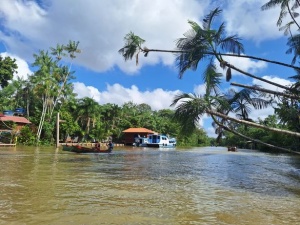 Immersive Regenerative Tourism Initiatives Highlighted at COP30 in Brazil’s Amazon">

Regenerative Tourism Takes Center Stage at COP30 in the Amazon
At the recent COP30 event, participants were offered a rare chance to immerse themselves in regenerative tourism experiences located on islands near Belém in the Brazilian Amazon. These initiatives, organized by MUDA! – The Brazilian Collective for Responsible Tourism, highlighted how community-driven tourism and bioeconomy principles can pave the way toward tackling climate and social challenges.
Two Unique Regenerative Experiences on Amazon Islands
The hands-on experiences took place on November 16 and 17 on the islands of Cotijuba and Combu. This venture was a collaborative effort with local organizations such as the Movimento de Mulheres das Ilhas de Belém (MMIB) and the Combu Island Sustainability Committee. The programs aimed to provide authentic encounters in Amazonian ecosystems, guided by locals deeply connected to and protective of their forest environment. These experiences not only honored indigenous knowledge but also shone a spotlight on regenerative practices led by community members.
Day One: Embracing Ancestral Wisdom on Cotijuba Island
Participants visiting Cotijuba engaged in “A Day on the Island: Medicinal Herbs and Ancestral Gardens,” a journey designed to reconnect travelers with the healing traditions of the forest. The itinerary featured visits to the Farmácia Viva project, where traditional medicinal herbs are nurtured and celebrated. Guests also toured the productive garden of Dona Deca, located along the famed Caminho da Priprioca trail. The day concluded with a beachside lunch at Vai Quem Quer featuring a dessert made from priprioca—a fragrant root symbolizing the harmony between traditional knowledge and innovation.
Day Two: Exploring Bioeconomy and Riverside Culture on Combu Island
The following day on Combu Island, the experience titled “Breakfast at Combu: Bioeconomy, Handicrafts, and Riverside Tourism” offered deep dives into local flavors and sustainable economic practices. Visitors explored Dona Nena’s Chocolate House, renowned for its artisanal chocolate crafted from local cacao, alongside Eco Restaurante Saldosa Maloca, where the Açaí Tuíra experience awaited. The day’s culinary journey ended with a traditional Amazonian lunch brimming with dishes like grilled fish moqueca, jambu rice, pirão, and crispy farofa.
Participation Details and Community Benefits
Each experience included transportation, meals, and guidance from host communities, with daily fees ranging from $113 to $148, and special discounts offered for participating in both days. Recognizing the importance of inclusivity, full scholarships were available for those unable to afford the costs. These offerings were crafted to foster meaningful exchanges between visitors and the stewards of the Amazon, reinforcing tourism’s role in conservation, social inclusion, and economic strengthening of local communities.
| Досвід | Date | Location | Highlights | Price (USD) |
|---|---|---|---|---|
| A Day on the Island: Medicinal Herbs and Ancestral Gardens | November 16 | Cotijuba Island | Traditional medicinal herb garden, Farmácia Viva, lunch at Vai Quem Quer beach with priprioca dessert | $113 – $148 |
| Breakfast at Combu: Bioeconomy, Handicrafts, and Riverside Tourism | November 17 | Combu Island | Dona Nena’s Chocolate House, Eco Restaurante Saldosa Maloca, açaí tasting, traditional Amazonian lunch | $113 – $148 |
Historical Context of Tourism and Conservation in the Amazon
The Amazon Basin has long fascinated explorers, scientists, and travelers alike. Stretching across South America, this vast tropical rainforest covers more than 2.3 million square miles and holds a critical share of the planet’s biodiversity and freshwater resources. In Brazil, cities like Manaus and Belém serve as gateways into this ecological marvel, offering rich cultural history shaped by rubber booms, indigenous heritage, and varied ecosystems.
Over centuries, the Amazon has witnessed a delicate balance between development, exploration, and conservation efforts. Early explorers chronicled its vastness and natural wealth, while more recent decades have seen focused attention on sustainable practices amid pressures from deforestation and land use change. Ecotourism and community-led projects have become vital in preserving both the forest and its inhabitants. These efforts promote environmental stewardship through limited-impact visitation, supporting local economies and conserving the rainforest’s priceless assets.
Amazon’s Role in Environmental and Social Sustainability
The Amazon’s extensive waterways and floodplains support thriving ecosystems that are crucial for global climate regulation and local livelihoods. Speech about the Amazon today emphasizes integrating environmentally conscious tourism with respect for indigenous knowledge and empowerment of traditional communities. This approach aligns well with the principles of regenerative tourism, where travel contributes positively to destinations, healing the environment while fostering cultural exchange and economic stability.
The Growing Significance of Regenerative Tourism in International Context
As global tourism rebounds, there is increased emphasis on how travel can move beyond sustainability into regenerative practices. This means tourism does not just minimize harm but actively restores and enhances natural and social systems. The regenerative tourism examples showcased at COP30 reflect a broader shift toward embracing local leadership, ethical tourism models, and biodiversity conservation.
From a travel perspective, regions like the Brazilian Amazon benefit hugely from such initiatives, attracting visitors interested in authentic, meaningful experiences that respect the delicate ecology. These experiences foster learning about indigenous cultures and environmental challenges while supporting local livelihoods through responsible economic activity.
Linking Regenerative Tourism to Boating and Sailing Activities
The Amazon region, with its vast river networks and rich aquatic ecosystems, is inherently connected to boating and water-based activities. For visitors arriving by boat or engaging in river cruises, regenerative tourism creates opportunities to witness and participate in conservation efforts firsthand. Responsible boating enhances the visitor experience by ensuring minimal environmental impact, encouraging the discovery of pristine destinations, and supporting community-led tourism initiatives.
Integral to this model is the inclusion of local captains and operators who navigate these waters with ecological sensitivity. This not only enriches the travel experience but also bolsters local economies through sustainable yacht charters, boat rentals, and related maritime activities. Marinas and water ports in cities like Belém serve as crucial hubs where tourism meets conservation goals.
Conclusion: Embracing Regenerative Travel in the Amazon and Beyond
The initiatives presented during COP30 demonstrate the power of regenerative tourism in connecting travelers with the heart of the Amazon while fostering environmental and social resilience. These experiences underscore the importance of placing communities at the forefront of tourism development, blending ancestral wisdom with innovation to create authentic, impactful travel moments.
For those drawn to destinations where nature and culture intertwine, the Amazon offers unparalleled opportunities to explore biodiverse forests, vast rivers, and vibrant local traditions. This emerging model of tourism not only protects but also rejuvenates treasured landscapes, paving the way for a future where visitors and hosts alike thrive.
For travelers seeking to explore the waters, beaches, and unique ecosystems of such marine and riverine destinations, GetBoat.com provides an international marketplace for renting sailing boats and yachts. Whether cruising expansive lakes, docking in charming marinas, or embarking on fishing and sailing adventures along tropical gulfs, this platform offers boat rentals tailored to every taste and budget, helping to experience the beauty of nature sustainably and adventurously.