


 Українська
  English (UK)
  Русский
  العربية
  日本語
日本語  한국어
한국어  Magyar
  Türkçe
  Español
  Čeština
  Svenska
  Português
  Ελληνικά
  Suomi
Suomi  Nederlands
  Română
  Italiano
  Français
  Polski
  Deutsch
  简体中文
简体中文  Slovenčina
 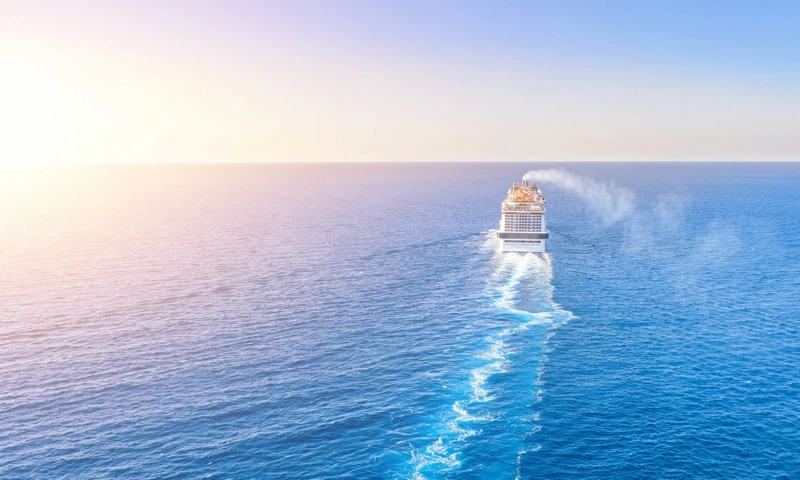 Advancements in Environmental Technologies Among Global Cruise Lines">

Progress in Cruise Industry’s Environmental Technologies
The global cruise industry has been steadily improving its environmental footprint, embracing advanced technologies and practices to reduce emissions and enhance operational efficiency. The Cruise Lines International Association (CLIA) recently reported significant progress from 2018 through 2024, underscoring the industry’s commitment to sustainability.
CLIA-member lines, which represent over 90% of the ocean-going cruise market, are pioneering efforts in adopting alternative fuel sources, such as biofuels, alongside innovative fuel-flexible engines. These efforts are supported by investments in energy efficiency and the incorporation of cutting-edge systems like advanced wastewater treatment and air lubrication technologies. Such steps showcase the industry’s role as an early adopter and innovator in maritime environmental standards.
Key Environmental Innovations in Cruise Fleets
- Biofuel Testing and Usage: Initiatives to pilot biofuels, including sourced waste oils, to decrease dependence on traditional fossil fuels.
- Fuel-Flexible Engines: Development and deployment of engines that can operate efficiently on multiple fuel types, reducing emissions.
- Wastewater Treatment Advances: Implementation of advanced systems aboard ships to treat greywater and blackwater responsibly.
- Onshore Power Supply: Increasing use of shore-side electrical connections to lower air pollution while docked.
- Air Lubrication Systems: Technologies that reduce hull friction and improve fuel efficiency during voyages.
Investments Driving the Fleet of Tomorrow
The industry’s investment pipeline includes more than 80 new vessels ordered globally, each designed with a focus on environmental innovations. These new ships incorporate the latest green technologies, promising more energy-efficient operations and a reduced ecological footprint—for passengers and marine ecosystems alike.
Historical Context: Environmental Challenges and Industry Response
The cruise industry’s environmental history has not been without challenges. In the 1990s, issues such as the dumping of waste, oil spills, and damage to coral reefs frequently marred the sector’s reputation. The logistics of managing waste from the equivalent of densely populated small towns onboard megaships remained a significant hurdle.
| Waste Type | Typical Volume per 7-day Cruise | Regulations |
|---|---|---|
| Greywater (sinks, showers) | Approximately 4 million litres | Can be legally dumped almost anywhere at sea |
| Blackwater (sewage) | Approximately 400,000 litres | Greater restrictions; can be dumped in high seas where dilution is assumed |
Air pollution has been another concern, with port cities occasionally impacted by ships running engines while docked instead of using cleaner shore power. Moreover, unintended consequences, such as increased bird mortality due to ship lighting during migrations, underline the complexity of environmental management.
However, in recent decades, major cruise lines have shifted toward a more responsible approach. Some have adopted rigorous environmental management systems, appointed dedicated environmental officers on ships, and encouraged comprehensive recycling programs onboard. These measures mark a clear turn toward minimizing ecological impacts.
Environmental Management in Practice
- Dedicated Environmental Officers: Crew members tasked with overseeing sustainable practices onboard.
- Recycling Initiatives: Programs aimed to reduce waste through onboard segregation and recycling.
- ISO Environmental Standards: Adoption of international standards to guide environmental management.
Environmental Sustainability and Its Role in Tourism Growth
The cruise sector’s environmental progress ties directly into its sustained growth in global tourism. As eco-awareness rises among travelers, demand increases for cruises and boating experiences that prioritize sustainable practices. A clean, healthy marine environment is a fundamental resource for tourism — from pristine beaches to bustling marinas and tranquil sailing destinations.
Destinations that receive cruise ships and yachts benefit economically through passenger spending onshore, often at coastal towns, marinas, and local beaches. However, maintaining environmental stewardship remains crucial to preserve these marine and coastal assets, which directly support activities like sailing, fishing, and beach tourism.
Forecast: The Impact of Green Technologies on International Travel
Looking ahead, the continued integration of green technologies within passenger vessels, as well as sailboats and yachts, will set a new standard for international marine tourism. This shift promises to reduce the industry’s carbon footprint while enhancing passenger experience through quieter, cleaner journeys. The rise of dual-fuel engines and the adoption of biofuels suggest a future where sailing and boating contribute positively to preserving the oceanic environment.
| Environmental Practice | Expected Outcome |
|---|---|
| Use of Dual-Fuel Engines | Lowered emissions and flexible fuel sourcing |
| Advanced Wastewater Treatment | Reduced pollution of marine ecosystems |
| Onshore Power Supply Connection | Decreased air pollution during port visits |
| Increased Biofuel Use | Reduction in fossil fuel dependence |
Conclusions and Outlook for Yacht and Boat Rentals
Досягнення в галузі екологічних технологій круїзними лініями встановлюють обнадійливий прецедент для всіх видів морського дозвілля, включно з чартерами яхт і вітрильних човнів. Оскільки кризьні флоти перемикаються на чистіші палива та зменшують викиди, подібні технології та практики дедалі більше актуальні для менших суден, які плавають морями, озерами та затоками. Сталий розвиток круїзного та вітрильного туризму значною мірою залежить від збереження водних та прибережних середовищ, які приваблюють відвідувачів з року в рік.
Для ентузіастів, які прагнуть незабутніх вражень від плавання, незалежно від того, чи вони орендують яхту, чи човен поблизу популярних напрямків з чистою водою та піщаними пляжами, ці розробки сигналізують про захоплюючу еру екологічно відповідальних морських подорожей. Перспектива круїзу або плавання зі зменшеним екологічним впливом додає цінності пригоді та забезпечує, щоб прибережні громади могли продовжувати отримувати економічні вигоди, водночас захищаючи свої природні ресурси.
Для тих, хто цікавиться останніми тенденціями в морському туризмі та шукає ідеальний прокат яхти або вітрильного човна, щоб насолодитися приголомшливим затокою, морем або океаном, міжнародний ринок GetBoat.com пропонує широкий вибір. Це один із найкращих сервісів для пошуку чартерів човнів, які відповідають будь-якому смаку та бюджету, забезпечуючи незабутні пригоди під сонцем і вітром.
Прийняття екологічного круїзного та вітрильного туризму – це більше, ніж просто тренд; це зобов'язання перед майбутнім морських подорожей, здоров'ям водних екосистем та насолодою від дослідження напрямків по всьому світу.
—