


 Українська
  English (UK)
  Русский
  العربية
  日本語
日本語  한국어
한국어  Magyar
  Türkçe
  Español
  Čeština
  Svenska
  Português
  Ελληνικά
  Suomi
Suomi  Nederlands
  Română
  Italiano
  Français
  Polski
  Deutsch
  简体中文
简体中文  Slovenčina
 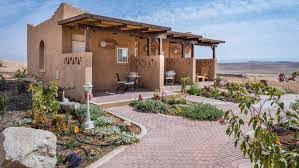 Neot Semadar Recognized as a Top Global Tourism Village by UN Tourism">

Neot Semadar’s Global Tourism Recognition
Neot Semadar, an ecological cooperative nestled in Israel’s Southern Arava desert, has earned a prestigious spot among the world’s Best Tourism Villages as designated by the United Nations World Tourism Organization for 2025. This distinction showcases the village’s dedication to sustainable living, cultural heritage, and innovative approaches to community development, putting both Neot Semadar and its surrounding region on the map as pioneers in eco-conscious tourism.
A Celebration of Sustainability and Community Innovation
Established in 1989, Neot Semadar represents a unique model where art, agriculture, and environmental stewardship intertwine seamlessly. The village accommodates around 250 residents — including families, artists, and volunteers from Israel and around the world — all committed to nurturing a lifestyle that respects nature and fosters creativity.
Visitors to Neot Semadar can engage in an immersive experience featuring an Art Center that stands as a testament to collective dedication, built over 15 years by the residents themselves. Additional attractions include a boutique organic winery, eco-lodge accommodations, farm-to-table dining options, and hands-on workshops that showcase the harmony of sustainable agriculture and artistic expression.
Official Endorsements and Regional Impact
The honor was formally announced during a global ceremony held in China on October 17, 2025, reflecting international recognition. Israel’s Minister of Tourism expressed pride over the village’s inclusion, emphasizing it as a shining example of Israeli innovation and sustainable tourism leadership. The Ministry, together with the Eilot Regional Council, played a key role in nominating Neot Semadar, highlighting the village’s contribution to promoting distinctive and eco-friendly tourism at a global level.
Leaders in the region view this accolade as not only a milestone for Neot Semadar but a significant boost to the Southern Arava’s profile as an emerging sustainable desert tourism destination, expanding the appeal for travelers seeking authentic, nature-based experiences.
Understanding the Importance of Sustainable Tourism Villages
The recognition of Neot Semadar as a Best Tourism Village places it among a carefully curated global network of rural destinations celebrated for balancing tourism growth with cultural and environmental stewardship. Such villages offer a counterpoint to mass tourism, catering to travelers who seek meaningful engagement with local communities.
Sustainable Tourism: A Historical Perspective
The concept of sustainable tourism has gradually evolved since it gained momentum in the late 20th century. It responds to the need for travel experiences that do not compromise the integrity of natural habitats or the well-being of communities. Ecotourism, alternative tourism, and community-based tourism movements emerged as alternatives to traditional mass tourism, emphasizing respect for local culture, environmental conservation, and economic benefits for local residents.
Over decades, international organizations and governments have supported efforts to balance tourism development with sustainability principles. Certification programs, codes of practice, and quality labels have been implemented to guide businesses and destinations toward more responsible operations, ensuring that tourism’s footprint is managed effectively while maximizing positive impacts.
The Role of Community-Based Tourism
Kibbutz Neot Semadar exemplifies the essence of community-led, eco-friendly tourism. Communities adopting this approach focus on four key pillars:
| Key Pillar | Description |
|---|---|
| Environmental Sustainability | Preserving natural resources, biodiversity, and landscape integrity through responsible practices. |
| Cultural Preservation | Maintaining local traditions, arts, cuisine, and community values to enrich visitor experiences. |
| Economic Sustainability | Ensuring that tourism income benefits the local population and supports long-term community viability. |
| Innovation & Collaboration | Fostering creativity and cooperation among residents, visitors, and stakeholders to adapt and grow sustainably. |
The Future of Sustainable Rural and Desert Tourism
As environmental concerns and traveler preferences increasingly steer toward authentic and responsible experiences, villages like Neot Semadar are leading by example. Their achievements reinforce the narrative that sustainable tourism is not just an ethical choice but also a smart business strategy that can drive the growth of unique destinations worldwide.
Emerging Trends Impacting Tourism Villages
- Eco-conscious travel: More tourists seek low-impact opportunities that connect them with nature and local culture.
- Community empowerment: Tourism development aligns with local needs, ensuring decisions serve resident and visitor interests.
- Diversification of experiences: Combining arts, cuisine, agriculture, and nature-based activities appeals to a broad range of travelers.
- Technological integration: Digital platforms enable efficient promotion, booking, and engagement with rural tourism.
Given these dynamics, sustainable tourism villages hold a bright future in the global travel landscape, especially in regions like the Southern Arava desert that offer both cultural richness and natural beauty under distinctive climates.
Link to Marine and Sailing Tourism
While Neot Semadar itself is located inland, the broader Southern Arava region’s elevation as a tourism hub has positive ripple effects on Israel’s diverse travel sectors, including coastal and marine tourism. As eco-tourism gains stature, so does interest in integrating land-based cultural experiences with sea adventures. The increased visibility of eco-conscious destinations can bolster demand for yacht charters and sailing activities in nearby marinas and coastal resorts, inviting visitors to explore both desert and sea in one trip.
Conclusion: Expanding the Horizons of Sustainable Travel
The selection of Kibbutz Neot Semadar among the world’s Best Tourism Villages underscores the global trend toward valuing sustainability, innovation, and community spirit in tourism. It exemplifies how a small village can make a big impact by harmonizing its cultural heritage, ecological stewardship, and visitor engagement.
Summary of Key Points:
- Neot Semadar combines art, agriculture, and ecology to create a unique and sustainable tourism model.
- The village’s recognition by UN Tourism places the Southern Arava firmly on the eco-tourism map.
- Sustainable tourism villages focus on preserving culture, environment, and economic viability through community cooperation.
- Such destinations contribute to a balanced travel ecosystem that benefits visitors and residents alike.
For travelers inspired by such exceptional destinations, the chance to enhance their journey by adding sailing or yacht charters along Israel’s scenic coastline is ever more appealing. For those seeking to rent a boat or charter a yacht to explore the country’s enchanting waters, GetBoat.com offers an international marketplace with options to suit every taste and budget, connecting land-based eco-tourism with unforgettable marine adventures.