


 Українська
  English (UK)
  Русский
  العربية
  日本語
日本語  한국어
한국어  Magyar
  Türkçe
  Español
  Čeština
  Svenska
  Português
  Ελληνικά
  Suomi
Suomi  Nederlands
  Română
  Italiano
  Français
  Polski
  Deutsch
  简体中文
简体中文  Slovenčina
 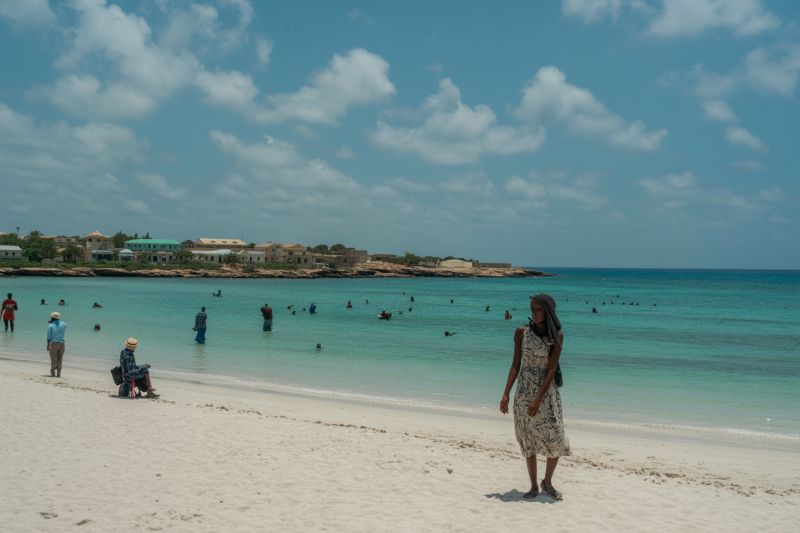 Відродження туризму в Могадішо: ближчий погляд на прибережне диво Сомалі">

The Revival of Tourism in Mogadishu
The city of Mogadishu is gradually revealing its previously underappreciated potential as a tourism destination. Despite numerous challenges, there are clear signs of growing interest and development within Somalia’s capital, which boasts a rich cultural heritage, stunning beaches, and evolving infrastructure. This article explores the unfolding tourism opportunities in Mogadishu and what they mean for travellers and the wider region.
Current Trends and Development
Mogadishu is witnessing a cautious but promising revival in its tourism sector. The city, historically known as a key port and commercial hub, is improving its facilities and welcoming an increasing number of visitors, especially from the Somali diaspora and countries in the Gulf, Scandinavia, the United States, and the United Kingdom. New ATM machines and vibrant diaspora-owned businesses contribute to a slowly stabilising urban environment.
While the nation has faced significant security challenges, areas including Mogadishu are gradually improving, allowing for a greater focus on tourism development. International tour operators have begun to include Somalia as a potential destination in their portfolios, eyeing its long coastline and natural attractions.
Why Visit Mogadishu?
- Beaches and Coastal Beauty: The Indian Ocean coastline near Mogadishu offers inviting beaches with potential for sunbathing, swimming, and fishing adventures.
- Cultural Heritage: Rich traditions including poetry, folk dance, and historically significant museums such as the National Museum and the Historical Museum provide cultural depth.
- Emerging Urban Scene: The city mingles old-world charm with modern influences, including Italian colonial architecture and fusion cuisine influenced by Italian flavours.
A Brief History of Mogadishu's Tourism Potential
Historically, Mogadishu has played a pivotal role as a trading city on the eastern African coast. Trading connections dating back to the 7th to 10th centuries linked the city with Arabian, Persian, and even Chinese markets. With Islam firmly established early on, coastal sultanates grew, fostering a vibrant cultural and economic life.
During the colonial era, Italian and British influences shaped urban development and infrastructure, particularly in the early 20th century. Post-independence, the nation’s tourism was focused on its natural and cultural appeal but suffered setbacks due to political instability later in the century.
Despite these historical interruptions, Mogadishu remains a city with hidden treasures waiting to be rediscovered. Its enduring cultural institutions like the National Theatre and the Somali Academy of Sciences and Arts continue to promote Somalia’s artistic legacy, highlighting the city’s potential as a cultural tourism niche.
Historical Timeline of Tourism Influences in Mogadishu
| Period | Tourism and Cultural Highlights |
|---|---|
| 7th – 10th centuries | Establishment of coastal trade links and Muslim sultanates |
| Початок 1900-х років | Influence of Italian and British colonial architecture and governance |
| Post-1960 | Independence and growth of cultural institutions amidst political turmoil |
| 1990s-Present | Conflict-induced decline and recent strides toward restoration and tourism potential |
Potential Impact on Regional Tourism and Maritime Activities
Given its advantageous location along the Indian Ocean, Mogadishu’s revival in tourism holds promise for expanding water-based activities in the region. The long coast offers opportunities for boating, fishing, and future яхтинг ventures. Though currently limited by infrastructure and safety concerns, gradual progress could see Mogadishu developing into a unique coastal destination.
For sailing enthusiasts and travellers seeking new horizons, an improved security climate and infrastructure upgrades could open the door for charters and boat rentals along the Somali coast. Marinas, harbours, and related tourism services have the potential to emerge, inviting an adventurous crowd to explore the чисті води and pristine beaches of this relatively untapped destination.
Виклики та можливості
- Виклики: Security remains a concern in parts of Somalia, and infrastructure requires further enhancement to support mass tourism.
- Opportunities: Growing diaspora interest, increased business activity, and international partnerships signal hopeful prospects for sustainable tourism development.
Table: Key Factors Shaping Mogadishu’s Tourism Landscape
| Factor | Description | Impact |
|---|---|---|
| Security Environment | Improvement in urban safety and stability | Increases the willingness of tourists and operators to get involved |
| Infrastructure Development | New cash machines, airport upgrades, and business growth | Facilitates smoother tourism operations and traveller comfort |
| Cultural Heritage | Rich museums, poetry, music and architecture | Enhances appeal for cultural and adventure tourists |
| Location | Extensive Indian Ocean coastline with pristine beaches | Potential for maritime tourism including sailing and fishing |
Looking Ahead: The Role of Mogadishu in International Travel
Mogadishu’s evolving tourism sector could become an interesting case study for destinations emerging from prolonged conflict. With international awareness rising and a focus on the diaspora’s role as both travellers and investors, the city may see a boost in small- and medium-scale tourism operations.
The cultural richness combined with stunning natural coastal resources gives the city and surrounding region the potential to diversify its tourism offerings beyond traditional modalities. This diversification includes the possibility of introducing sailing events, fishing expeditions, and other coastal leisure activities that attract adventurous tourists from around the globe.
Although official tourism infrastructure is still in early development stages, the increasing visibility of Mogadishu as a destination opens up pathways for sustainable economic growth and cultural exchange.
Summary and Outlook
Mogadishu is gradually stepping out of the shadows to reclaim its space as a fascinating travel destination. Its compelling blend of coastal beauty, cultural depth, and historical significance underpins this ongoing transformation. Despite challenges, the promise of new tourism avenues and emerging regional cooperation hints at exciting times ahead.
The connection of coastal attractions with sailing, boating and related activities could foster an adventurous tourism niche attractive to global travellers and enthusiasts of maritime experiences.
For those interested in exploring new destinations with rich cultural backgrounds and the thrill of sea-based activities, services like GetBoat.com offer an excellent platform to rent yachts and sailing boats worldwide, matching diverse tastes and budgets. The potential growth of nautical tourism in and around Mogadishu’s coast is an exciting horizon to watch. Whether seeking a yacht charter, fishing trip, or a serene sailing experience, the waters off Somalia hold promise for future discovery.