


 Українська
  English (UK)
  Русский
  العربية
  日本語
日本語  한국어
한국어  Magyar
  Türkçe
  Español
  Čeština
  Svenska
  Português
  Ελληνικά
  Suomi
Suomi  Nederlands
  Română
  Italiano
  Français
  Polski
  Deutsch
  简体中文
简体中文  Slovenčina
  Louvre Museum Faces Strikes, Security Issues, and Structural Challenges">

Unfolding Crisis at the World’s Most Visited Museum
The Louvre Museum, renowned globally as the most visited art museum, has recently encountered a series of critical challenges that have captured international attention. From labor strikes to alarming security failures and structural issues, the institution’s stability is being tested in unprecedented ways.
Strike Actions: Beyond Labor Disputes
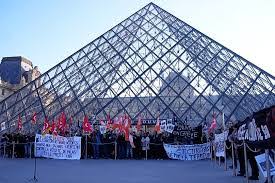
The ongoing strikes at the Louvre are more than routine disagreements over labor conditions; they reflect deeper systemic problems. Staff frustrations have escalated amid reports of chronic understaffing, deteriorating infrastructure, and management missteps. The strike action reached a climax following a dramatic jewel heist that exposed significant security lapses.
The June “wildcat” strike unexpectedly closed the museum, much to the dismay of visitors trapped beneath the iconic glass pyramid designed by I.M. Pei. Subsequently, weakened floor supports forced the closure of entire galleries, including nine rooms in the Campana Gallery, which houses ancient Greek ceramics. With hundreds of workers voting to extend the strike, the museum has had to operate on a limited schedule, offering only a “masterpiece route” that includes iconic works such as the Mona Lisa and the Venus de Milo.
A $102 Million Heist Shakes Confidence
On October 19, thieves executed a daylight robbery, escaping with crown jewels valued at over $100 million. Investigations revealed a disturbing cascade of security failures: only one of two security cameras was operational at the entry point, the monitoring system was insufficient, and when alarms triggered, law enforcement were initially dispatched to the wrong site. The thieves were able to flee in barely 30 seconds – a window so narrow it highlights how fragile the museum’s defenses have become.
Though all four suspects have been apprehended, the stolen jewels remain missing, feared to be smuggled or dismantled.
Details of Security Breakdown
| Security Element | Issue Identified | Impact |
|---|---|---|
| Cameras | Only one camera functioning | Inadequate surveillance coverage |
| Monitoring Stations | Insufficient screens to observe all footage simultaneously | Delayed threat detection |
| Alarm Response | Police initially sent to wrong location | Critical delay allowing escape |
The Physical Strain on an Aging Palace
Beyond security, the Louvre’s physical structure itself is under duress. Originally built as a castle and expanded into a vast palace over centuries, many sections now reportedly suffer from neglect. Structural assessments have uncovered fragile supporting beams, especially in areas housing precious collections, forcing temporary closures.
Incidents like a water leak damaging hundreds of historic books demonstrate growing concerns about long-term preservation and maintenance challenges. The French government’s “New Renaissance” plan envisages significant renovations and modernization to address overcrowding and infrastructure decay, but critics warn that progress has been sluggish, with security upgrades not fully realized despite allocated budgets.
Controversy Over Priorities
A notable point of contention is the plan to build a dedicated room for Leonardo da Vinci’s “Mona Lisa,” featuring a separate entrance to ease tourist congestion. While proponents argue this responds to the reality of mass tourism, critics – including union representatives – view it as misplaced focus. They contend that funds should prioritize urgent repairs, security enhancements, and staffing needs instead of redesigning visitor flow around the museum’s blockbusters.
A Brief History of the Louvre’s Evolution
The Louvre’s origins date back to the Middle Ages when it was first a fortress constructed to defend Paris. Over centuries, it transformed into one of the world’s largest palaces and then into the illustrious museum it is today. It holds an extensive collection spanning from ancient civilizations to the 19th century, featuring masterpieces by famed artists such as Leonardo da Vinci, Michelangelo, and Raphael.
The museum complex underwent modernization during the 1980s and 90s with the addition of a large underground reception area and offices, crowned by the iconic glass pyramid that has become synonymous with the Louvre’s identity.
Growth and Visitor Dynamics
The Louvre is a shining example of cultural tourism’s appeal, drawing millions each year with its rich art collections and heritage. However, like many historic museums globally, it faces the challenge of balancing preservation with the pressures of mass tourism. Managing visitor flow, infrastructure load, and maintaining high safety standards remain at the forefront of operational priorities.
Future Outlook: What Lies Ahead for International Tourism?
The Louvre’s troubles highlight broader concerns in cultural tourism worldwide. Institutions of such scale must navigate evolving security threats, the wear and tear of centuries-old buildings, and the growing expectations of increasingly mobile and experience-seeking travelers. The integration of technology in surveillance and crowd management, coupled with sufficient staffing and sustainable funding, will be critical to preserving these landmarks into the future.
Tourism destinations that successfully address these challenges set themselves apart by offering safer, more engaging, and authentic experiences, a vital factor as global travelers prioritize unique cultural encounters.
Key Takeaways and Implications for Boating and Sailing Tourists
While the Louvre itself lies inland, its story carries lessons for destinations served by boating and nautical tourism. Many marinas and coastal cultural heritage sites face similar pressures from high visitor numbers and aging infrastructure. Just as the Louvre struggles to manage crowding and security, popular yachting hubs must balance preservation, visitor safety, and service quality.
For enthusiasts chartering yachts or sailing vessels along historic coastlines or near great cities rich in museums and art, understanding these issues enriches the tourism experience. Areas around large bodies of water, such as the Mediterranean or French Riviera, often combine sailing adventures with cultural excursions, making it essential to remain informed about accessibility and operations of prominent tourist attractions nearby.
Ultimately, the Louvre situation underscores that every destination—from city museums to coastal marinas—must invest in sustainability, security, and visitor satisfaction to thrive in the evolving global tourism landscape.
For travelers seeking to blend culture with coastal leisure, services like GetBoat.com offer a gateway to explore popular marine destinations through yacht and sailing boat rentals. With options suited to diverse tastes and budgets, this international marketplace connects tourists with unforgettable boating adventures alongside visits to landmarks renowned worldwide.