


 Українська
  English (UK)
  Русский
  العربية
  日本語
日本語  한국어
한국어  Magyar
  Türkçe
  Español
  Čeština
  Svenska
  Português
  Ελληνικά
  Suomi
Suomi  Nederlands
  Română
  Italiano
  Français
  Polski
  Deutsch
  简体中文
简体中文  Slovenčina
  Federal Court Reviews Northern Territory Tourism Permit for Lorella Springs Park">

Contested Tourism Permit in Northern Territory’s Lorella Springs Wilderness
The future of tourism in the remote Lorella Springs Wilderness Park in Northern Territory (NT), Australia, is currently uncertain following a Federal Court hearing. The case scrutinizes the validity of a tourism permit granted by the NT government that covers a vast expanse of pristine bushland, stirring debate between the pastoral leaseholders and indigenous native title holders.
Details of the Permit and Legal Challenge
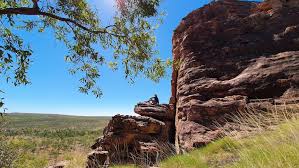
Earlier this year, the owners of Lorella Springs Wilderness Park were issued a permit allowing tourism activities on 60,000 hectares of land within the larger 400,000-hectare pastoral station. The area is known for its untouched wilderness, including spectacular waterfalls, billabongs, and numerous culturally significant Aboriginal sites.
However, native title groups representing the Burdal, Murrungun Wunubari, and Mambali Walangara peoples argue that the permit is invalid and infringes upon Aboriginal rights. Their challenge asserts that the Northern Territory government exceeded its authority in granting the permit and disregarded the protection of sacred sites, threatened species, and environmental obligations mandated by law.
Key Arguments in the Federal Court
The traditional owners raise concerns that tourism activities under the permit would inevitably lead visitors to witness Aboriginal cultural heritage such as sacred rock art and dreaming locations, even unintentionally. Their legal counsel has identified fundamental issues involving the permitted use of pastoral land including campsites, burial grounds, artefacts, and the safeguarding of these locations from unauthorized visits.
By contrast, the NT government’s representatives contend that the majority of sacred and culturally sensitive sites lie outside the permit boundaries, and that tourism access would be limited strictly to existing pastoral tracks and the homestead area—accounts that make up less than 1% of the property.
They emphasize that the permit holders have engaged with relevant authorities—including the Aboriginal Areas Protection Authority and the Northern Land Council—to address indigenous concerns. Measures to prevent tourists from viewing or visiting sacred sites are purportedly in place, underscoring that the permit is not meant to promote activities such as guided rock art tours.
Background: Lorella Springs Wilderness Park and Its Significance
Lorella Springs Wilderness Park sits amid the vast Gulf country on the edge of Limmen National Park, embodying an environment of rare natural beauty and cultural richness. The pastoral station has traditionally been a destination for approximately 10,000 tourists annually, a number that surged during the COVID-19 pandemic.
The land is a tapestry of ecological wonders and Aboriginal heritage, which poses unique challenges and opportunities for tourism development that respects both conservation and indigenous rights.
Historical Context of Tourism Permits and Indigenous Rights
Tourism permits in large pastoral and wilderness areas of Australia have frequently been at the crossroads of economic development and indigenous land rights. The concept of native title was legally recognized in Australia in the late 20th century, granting traditional owners certain rights to their ancestral lands, including management and protection of cultural sites.
The debate over Lorella Springs reflects wider national dialogues about sustainable tourism and responsible management of protected areas. This includes balancing environmental preservation, local community benefits, and cultural respect within tourism strategies.
Key Issues in Pastoral Tourism Land Management
- Government Authority: Determining the scope of power that regional agencies hold in issuing tourism permits.
- Indigenous Rights: Recognition of native title holders’ rights to control access and use of cultural heritage sites.
- Environmental Protection: Ensuring tourism activities do not jeopardize endangered species or delicate ecosystems.
- Tourism Development: Promoting sustainable and low-impact visitor experiences compatible with wilderness preservation.
What Lies Ahead for Lorella Springs and NT Tourism?
The Federal Court judge is deliberating on the matter following a detailed three-day hearing, with a decision expected early next year. This ruling could set important precedents for future tourism developments in regions rich in both natural and cultural heritage.
Should the court find the permit invalid, it may halt or significantly alter tourism operations at Lorella Springs, demanding new frameworks that better integrate native title holders’ rights and environmental safeguards. On the other hand, upholding the permit could open pathways for carefully regulated adventure tourism that balances access with conservation.
Implications for International Tourism and Local Communities
Remote wilderness destinations like Lorella Springs are increasingly appreciated by niche adventure travelers and cultural tourism enthusiasts. The outcome of this legal review will affect how such areas are managed and promoted globally, influencing traveler perceptions about access to authentic and responsibly governed wilderness experiences.
Moreover, the ongoing dialogue underscores the growing importance of involving indigenous communities as key stakeholders in tourism planning, ensuring that development contributes positively to local livelihoods and cultural preservation.
Tying It All Together: The Role of Sustainable Tourism and Stakeholder Collaboration
The Lorella Springs case exemplifies the complex interplay between tourism, environmental stewardship, and indigenous rights. Sustainable tourism principles advocate for tourism that generates economic benefits while preserving natural and cultural resources for future generations. Success depends on collaborative governance involving government authorities, traditional landowners, and tourism operators.
For travelers interested in visiting areas of pristine wilderness, respecting these dynamics is essential. Activities like yachting and boating in nearby coastal or inland water areas can offer complementary ways to explore Australia’s diverse natural landscapes without disturbing sensitive terrestrial ecosystems and cultural sites.
Summary Table: Key Factors in Lorella Springs Tourism Permit Case
| Aspect | Supporting Tourism Permit | Opposing Tourism Permit |
|---|---|---|
| Permit Scope | Restricted to existing tracks and homestead areas (less than 1%) | Impacts a significant cultural and environmental landscape |
| Indigenous Rights | Engagement with Aboriginal Authorities ongoing | Permit fails to recognize traditional pursuits and sacred sites |
| Environmental Considerations | Measures to protect threatened species expected | Alleged failure to adequately assess environmental impacts |
| Cultural Heritage Access | Tourism designed to avoid viewing sacred sites | Tourism inevitably leads to observation of sacred places |
Висновок
The pending Federal Court decision on the Northern Territory government’s tourism permit for Lorella Springs Wilderness Park serves as a critical example of the tensions and negotiations necessary when opening remote, culturally rich natural areas to tourism. This case highlights the need to harmonize environmental protection, indigenous cultural rights, and sustainable tourism development.
The Northern Territory’s dramatic landscapes and rich Aboriginal heritage represent a unique destination that could potentially offer remarkable experiences for adventure travelers, including those interested in boating and sailing adventures in nearby marine and inland water environments.
For tourists and operators looking for outstanding yacht charter and boating experiences while respecting the profound significance of Indigenous lands, staying informed about such developments is key. Services like GetBoat.com provide diverse options for renting sailing yachts and boats that allow visitors to explore Australia’s remarkable coastal and inland waterways with an eye towards responsible tourism practices.