


 Українська
  English (UK)
  Русский
  العربية
  日本語
日本語  한국어
한국어  Magyar
  Türkçe
  Español
  Čeština
  Svenska
  Português
  Ελληνικά
  Suomi
Suomi  Nederlands
  Română
  Italiano
  Français
  Polski
  Deutsch
  简体中文
简体中文  Slovenčina
 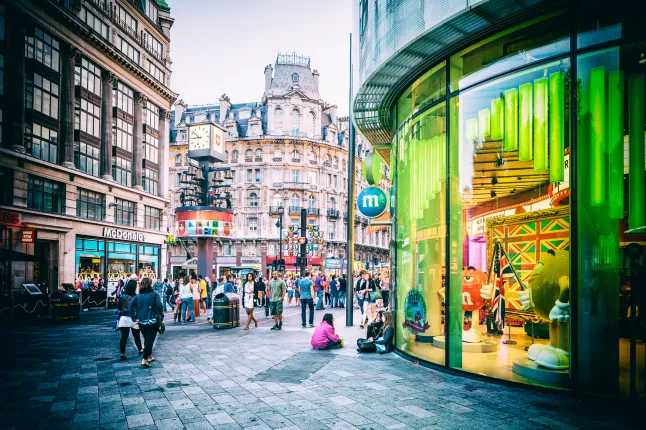 Leicester Square: London's Iconic Yet Controversial Tourist Hub">

The Unlikely Magnet: Leicester Square's Enduring Visitor Appeal
Leicester Square stands as one of London’s busiest tourist hubs, drawing a staggering 2.5 million visitors each week, despite often facing criticism for its mixed reputation. Known for its bustling entertainment scene, star-studded film premieres, and a location in the heart of the West End, this square combines history with vibrant urban life, embodying both the best and the more challenging aspects of the city’s visitor experience.
A Closer Look: Why Leicester Square Gets Mixed Reviews
Though it endures as a must-see destination, the square has been labelled by some as London’s “most naff” tourist attraction, critiqued for its commercial overtone, petty crime issues, and eateries that don’t quite blow visitors away. Yet, its ability to sustain a massive influx of tourists weekly – with more than 52 glamorous movie premieres annually – underscores a paradox between its perceived shortcomings and its magnetic appeal.
Among the bright spots is the Hippodrome Theatre, whose production of Magic Mike enjoys an extended run, captivating audiences continuously through to early 2027. This blend of lively entertainment and celebrity glitz gives Leicester Square a unique pulse that continues to attract both locals and tourists alike.
Historic Highlights: Leicester Square Through the Ages
The origins of Leicester Square trace back to 1631, when the second Earl of Leicester constructed a grand residence with an open square for public enjoyment established by 1750. Over centuries, it evolved into a cultural crossroads with theatres, hotels, museums, and exhibition spaces rising during the 19th century. Its musical legacy is notable, having hosted legends like The Rolling Stones and The Who in venues that have now transformed, including what is currently the Leicester Square Theatre.
Entertainment and Cultural Evolution
This trajectory paints Leicester Square as more than a mere tourist spot: it forms a vibrant cultural tapestry reflecting London’s artistic and social history through theatre and live music. However, the contrast of this storied background with modern-day challenges presents a complex visitor experience unlike typical attractions.
Alternatives to Leicester Square for a More Refined Experience
For visitors looking to bypass the crowded and commercial atmosphere of Leicester Square, nearby alternatives offer quality experiences without the usual hustle and bustle. Here are some standout options that add a touch of charm and exclusivity to any London itinerary.
Sweet Indulgence Beyond M&M World
Just a stone's throw away in Soho, William Curley's chocolatier boutique offers a sophisticated take on confections, featuring elegantly crafted treats such as Jaffa Cakes and Millionaire's Shortbread. With accolades including “Britain's Best Chocolatier” awarded multiple times, this is a destination that pleases serious sweet lovers far more than mass-market sweet shops.
Toys and Nostalgia Away from the Lego Store
Hamleys on Regent Street—a multi-storey toy emporium—presents an extensive collection of toys including Lego sets plus more nostalgic item offerings, from heritage teddy bears to Star Wars collectibles. Known for interactive displays and festive events, the store is an iconic experience that delights children and adults across generations.
A Theatrical Shift from the West End's Main Stage
While the Hippodrome holds strong appeal, the Dominion Theatre brings a fresh thrill with a musical featuring Elton John’s compositions, based on a popular 2000s film. This art deco venue promises a captivating show until late 2026, adding another layer to London’s rich theatrical scene for discerning cultural travellers.
Cinema Escapes Beyond the Crowds
For those seeking quieter film experiences, the Electric Cinema in Notting Hill offers a cosy environment with plush leather seats, side tables, and even double beds. The unique screening events create a relaxed atmosphere, catering especially well to families and cinephiles looking for comfort and quality away from busier central venues.
How Visitor Attractions Like Leicester Square Fit Into the Broader Tourism Landscape
Leicester Square exemplifies the role that urban entertainment districts play in drawing tourists to historic capitals. Attractions like these fulfil several key functions:
- Economic Engines — Generating substantial footfall and supporting local businesses, theatres, and restaurants.
- Cultural Showcases — Hosting premieres and productions that highlight the city’s creative arts scene.
- Social Hubs — Acting as focal points for both tourists and residents to mingle and engage in leisure activities.
Its persistence over time, despite criticisms, signals urban tourism’s balance between authenticity, commerce, and evolving visitor expectations. This tension is common in many global cities that juggle heritage and modern entertainment in the same space.
A Historical Perspective on Tourist Attractions and Urban Development
The evolution of leisure spaces like Leicester Square follows a broader pattern in destination development. Many such locations transform from aristocratic private estates into public urban centres for culture, entertainment, and commerce. London’s West End theatres and public squares grew from historical civic spaces and entertainment venues. Over time, these venues have adapted to meet changing tastes and the demands of international visitors, encouraging a dynamic cycle of tourism growth balanced with urban challenges.
The Tourist Attraction Lifecycle
Urban attractions often go through a lifecycle involving discovery, growth, peak popularity, and sometimes decline or renewal. Leicester Square’s endurance suggests a stage of consolidation, where it remains integral to London’s tourism infrastructure despite fragmentation in visitor satisfaction. Managing such sites requires ongoing investment, innovative programming, and sensitive urban planning to maintain appeal and sustainability.
Looking Ahead: The Role of Attractions Like Leicester Square in International Tourism
As cities worldwide compete for tourist attention, iconic yet polarising places highlight the complexities of urban tourism. Effective management and creative diversification of visitor offerings can enhance the experience, attract diverse tourist profiles, and mitigate negative impacts such as overcrowding or security concerns. These lessons are vital as cities harness tourism for economic development while preserving cultural identity.
Summary and Conclusion
Leicester Square remains a pivotal and paradoxical landmark within London’s vibrant tourist scene. Drawing millions weekly, it blends rich history with contemporary entertainment and cultural activities, despite occasional reputational challenges related to crowding and commercialisation. Alternatives nearby offer more curated experiences in food, toys, theatre, and cinema, enriching the visitor’s choices.
Understanding such central hubs helps appreciate the balance urban destinations strike between heritage preservation, visitor satisfaction and economic vitality. For those sailing into London’s marinas or seeking yachting experiences on the River Thames, nearby attractions like Leicester Square and the West End add to the city’s magnetic charm, combining historic allure with bustling entertainment.
For anyone planning to explore sailing adventures and charter boat rentals in London and its surrounds, the international marketplace GetBoat.com offers an excellent selection of yachts and sailing boats tailored for every taste and budget, connecting the thrill of the sea with the rich cultural tapestry of one of the world’s great cities.