


 Українська
  English (UK)
  Русский
  العربية
  日本語
日本語  한국어
한국어  Magyar
  Türkçe
  Español
  Čeština
  Svenska
  Português
  Ελληνικά
  Suomi
Suomi  Nederlands
  Română
  Italiano
  Français
  Polski
  Deutsch
  简体中文
简体中文  Slovenčina
 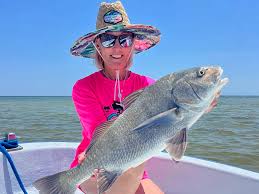 How restoration is changing Florida boating">

Restoration work that planted more than 81 million clams and tens of thousands of mangroves across Brevard County has measurably reduced turbidity and improved navigable channels, directly affecting marina upkeep, launch schedules, and charter operator routes in the Indian River Lagoon and adjacent waterways.
From trash art to large-scale habitat logistics
Cory Redwine began with beach cleanups and art installations but quickly moved into operational conservation. Her approach combined seedling supply chains, volunteer mobilization, and coordination with industry partners to deliver and plant mangrove seedlings and juvenile clams at scale. Managing the physical flow of seedlings, boats, volunteers, and restocking points required basic logistics: staging buckets and containers, scheduling boat transfers, and liaising with marinas and barge operators to place material where tides and currents would favor survival.
Partnership model: industry meets community
After sourcing buckets and supplies from Star brite, Redwine helped formalize a program now run as Project SeaSafe. The program operates like a small supply chain: nurseries grow mangrove plugs; hatcheries produce clams; volunteers and partners transport and plant them in targeted zones. That integration of private donors, scientific partners, and local volunteers keeps unit costs low and improves the speed of deployment.
Operational highlights
- Seedling staging: centralized buckets and trays for transport to shoreline sites.
- Boat logistics: use of small skiffs and volunteer vessels to reach shallow planting zones without heavy equipment.
- Timing: planting windows aligned to tidal cycles and weather forecasts to maximize survival.
Why clams and mangroves matter for boating and rentals
Clams act as natural filtration units; millions of clams filtering nutrient loads lead to clearer water, which helps seagrass regrowth and reduces fouling on hulls and propellers. For rental fleets and charter captains, clearer water lowers maintenance cycles and makes shallow-water routes safer. Mangroves stabilize shorelines, cut erosion rates, and create living buffers that reduce sediment runoff into channels used by boats and kayaks.
| Restoration element | Operational effect | Benefit for boating |
|---|---|---|
| 81M+ clams | Improved water clarity, reduced nutrients | Less hull fouling; better visibility for shallow charters |
| Tens of thousands mangroves | Shoreline stabilization, habitat creation | Protected anchorages; reduced dredging frequency |
| Volunteer network | Rapid deployment and maintenance | Lower operational costs for marina partners |
Events and community mobilization
The annual Project SeaSafe Clean Water Collective brings anglers, scientists, and boaters together for hands-on restoration. The 2026 event at the Old Fish House Bar & Grill in Grant, Florida scheduled April 22–26 marries on-water planting with cleanup runs and data collection—an efficient model for combining citizen science and boating activity. Local charter operators often incorporate participation into team-building or guest activities, giving renters a feel-good hands-on experience while helping habitat recovery.
Science partnerships and measurable outcomes
Project SeaSafe teams collaborate with researchers like Dr. Todd Osborne at the University of Florida Whitney Lab and restoration leaders such as Blair Wiggins. Together they monitor survival rates, seagrass recovery, and biodiversity changes. These metrics inform where to focus future plantings and how charter routes can be adjusted to protect newly restored zones—balancing recreation and conservation.
Volunteer roles and how boat renters can help
- Assist with shallow-water planting from skiffs and kayaks.
- Join shoreline cleanups before or after a charter cruise.
- Participate in data collection: water clarity, seagrass presence, and species sightings.
Local captains report that participation reduces accidental damage to seedlings and creates goodwill with marinas and guests—plus it’s a great story to share on a charter itinerary. Many hands make light work, and it’s true here: community involvement scales impact fast.
Nonprofit stewardship and protected lands
Redwine’s nonprofit, Море Redwine Preservation / Team Do Gooder, purchases and protects parcels for restoration, aquaculture, and scientific monitoring. Securing land near waterways minimizes the risk of future development undoing restoration gains and provides stable staging areas for equipment and volunteer training—an important piece of infrastructure for long-term success.
Wrapping up, the coordinated planting of clams and mangroves through Project SeaSafe demonstrates a practical logistics-driven conservation model that benefits both ecosystems and boating operations. For yacht and charter operators, marinas, and boat renters the upsides are real: clearer water, safer shallow routes, and reduced maintenance. Destinations get healthier, marinas and captains get steadier business, and recreational boating—whether a small boat rental, a fishing trip, or a superyacht call—becomes more sustainable.
In conclusion: restoration that combines science, logistics, and community action is improving water quality and shoreline resilience across the Indian River Lagoon and Brevard County. The measurable gains from mangrove planting and clam seeding translate into better conditions for yacht and boat charters, beach and marina health, lake and gulf habitats, and a range of yachting activities—from fishing to luxury superyacht visits—making sea and ocean Destinations more attractive for rent, sale, and ongoing boating adventures.