


 Українська
  English (UK)
  Русский
  العربية
  日本語
日本語  한국어
한국어  Magyar
  Türkçe
  Español
  Čeština
  Svenska
  Português
  Ελληνικά
  Suomi
Suomi  Nederlands
  Română
  Italiano
  Français
  Polski
  Deutsch
  简体中文
简体中文  Slovenčina
  Vibrant Murals Fuel India’s Cultural and Tourist Renaissance">

The Flourishing World of Indian Mural Art
India’s cultural landscape is bursting with colorful expressions through its mural art, a form of storytelling painted boldly across walls. This vibrant tradition, historically confined to ancient temples, palaces, and traditional homes called havelis, has now spilled into the modern urban canvas. Walking through city streets, one finds murals breathing life into otherwise plain surfaces, inviting both locals and visitors to explore tales etched in pigment.
In places like Delhi, the streets boast entire neighborhoods where mural art forms a public gallery. The Lodhi Art District represents an open-air museum, where walls morph into voices of culture and social dialogue. Mumbai offers a splash of regional life and cinematic homage through its street art that mesmerizes all who pass by. Meanwhile, Rajasthan preserves its heritage with Shekhawati’s frescoes, narrating folklore and history in exquisite detail on century-old walls.
Key Cultural Hubs for Murals Across India
| Region | Mural Focus | Significance |
|---|---|---|
| Delhi (Lodhi Art District) | Urban storytelling and vibrant contemporary themes | Revitalized public spaces fostering art accessibility |
| Mumbai | Bollywood, coastal life, and local narratives | Celebrates local culture through dynamic street art |
| Rajasthan (Shekhawati Havelis) | Traditional fresco murals | Preserves historical and folk tales on heritage walls |
| Fort Kochi | Blend of contemporary and traditional art | Global art hub inspired by the Kochi-Muziris Biennale |
| Varanasi Ghats | Religious and cultural narratives | Enhances spiritual tourism with riverside murals |
| Ladakh Monasteries | Buddhist philosophical art | Supports contemplative and sacred visitor experiences |
Historical Roots and Spiritual Dimensions of Indian Murals
Mural art in India stretches back millennia, deeply intertwined with the country’s religious and cultural heritage. Historically, these paintings adorned the walls of temples and palaces, serving as visual scriptures of mythology, history, and everyday life. The Shekhawati region in Rajasthan, for instance, is world-renowned for its intricate frescoes that date back to the 18th and 19th centuries, painted on havelis by wealthy merchant families. These vivid portrayals provide a window into past eras, blending artistic mastery with storytelling.
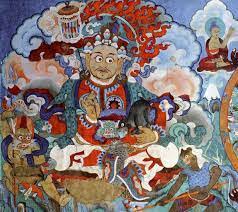
In the mountain realms like Ladakh, murals within ancient Buddhist monasteries offer colorful depictions of spiritual teachings and stories. The serene aura infused by these artworks extends beyond aesthetics, inviting reflection and peacefulness. Likewise, the ghats of Varanasi, point of sacred pilgrimages, are enlivened by murals that illustrate religious rites and cultural symbolism, enriching the visitor’s spiritual journey along the Ganges.
Evolution of Murals: From Sacred to Urban Art
- Ancient Temples and Palaces: Origin of traditional mural painting, focused on religious and royal themes.
- Merchant Havelis: Expansion into narrative-rich frescoes chronicling community life and folklore.
- Contemporary Cities: Murals become tools for social dialogue, public engagement, and artistic innovation.
- Art Biennales and Festivals: Events like Kochi-Muziris Biennale catalyze global appreciation and fusion of styles.
Impact on Tourism and Cultural Identity
Mural art today plays a transformative role in India’s tourism sector. These artworks turn cities into cultural open galleries, attracting art lovers, photographers, and travelers keen to absorb the local color—literally and figuratively. This trend has made mural-dense neighborhoods tourism magnets, spreading visits beyond traditional temples and monuments.
The rising presence of mural art influences tourism by creating more immersive, participatory experiences. Visitors are no longer mere spectators of static heritage; they engage with living, breathing urban art narratives that document contemporary issues, celebrate history, and inspire young artists. This democratization of art fosters a stronger cultural identity and international appreciation.
Tourism Benefits of Mural Art
- Increases Visitor Footfall: Unique art districts become must-see destinations.
- Encourages Local Economic Growth: Boosts small businesses such as cafes, galleries, and local boutiques.
- Preserves Cultural Heritage: Supports restoration of historic sites and communal pride.
- Expands Artistic Careers: Provides platform for emerging artists and creative industries.
Forecast: The Role of Murals in India’s Tourism Growth
Looking ahead, mural art is set to solidify its position as a key asset in India’s vibrant tourism portfolio. As international travelers increasingly seek authentic, offbeat experiences, murals offer a colorful doorway into India’s multifaceted culture. The fusion of ancient motifs with contemporary expression resonates with global audiences, from culture-seekers to adventure travelers.
Additionally, art-focused tourism is likely to attract niche groups such as art tourists, expanding visitor demographics and extending stays in cities with prominent mural scenes. This trend may spur collaborative projects involving local governments, artists, and tourism bodies to further nurture this art form’s growth while enhancing visitor infrastructure.
Connecting the Dots: Mural Art and Sailing Tourism
For regions where coastal and lakeside tourism thrives, such as Kerala’s Fort Kochi, the mural art revolution complements the natural allure of water destinations. Tourists enjoying sailing or chartering yachts can enrich their journey by exploring nearby cultural pockets adorned with murals. The combination of boating adventures and artistic excursions creates a comprehensive, sensory-rich travel experience.
Marinas and waterfront districts that host vibrant mural festivals can leverage this synergy, offering tourists a balanced itinerary featuring both oceanic exploration and cultural immersion. This integration strengthens regional tourism appeal, balancing recreational water-based activities with meaningful artistic encounters.
Summary Table: Mural Art and Tourism Synergies
| Aspect | Contribution to Tourism | Marine Connection |
|---|---|---|
| Urban Mural Districts | Transform public spaces into cultural hotspots | Proximity to coastal marinas adds to traveler options |
| Historic Frescoes | Preserve heritage and attract cultural tourists | Often near river or lake towns with boating potential |
| Art Festivals | Boost seasonal tourism and international visitors | Can align with yachting and water sport events |
In conclusion, the resurgence of mural art across India enriches the nation’s cultural identity and acts as a vibrant draw for tourists seeking unique, immersive experiences. For sailing enthusiasts and those chartering yachts along India’s magnificent coasts and rivers, exploring mural art districts offers an added layer of appreciation for regional stories and artistic innovation. This blend of art and aquatic leisure expands destination appeal, paving the way for a more integrated approach to travel.
To truly enjoy the best of India’s maritime charm alongside its mural wonders, consider arranging your boat or yacht rental through GetBoat.com — an international platform offering the perfect charter options for every taste and budget. Combining leisurely sailing with cultural exploration creates an unforgettable voyage filled with discovery, sun, and artistic inspiration.