


 Українська
  English (UK)
  Русский
  العربية
  日本語
日本語  한국어
한국어  Magyar
  Türkçe
  Español
  Čeština
  Svenska
  Português
  Ελληνικά
  Suomi
Suomi  Nederlands
  Română
  Italiano
  Français
  Polski
  Deutsch
  简体中文
简体中文  Slovenčina
 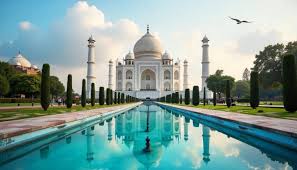 India Sees Resurgence in International Tourism With New Travel Trends Emerging">

India's Inbound Tourism Takes Off in the Peak Season
As the peak season for inbound tourism to India kicks off from October through March, the early signs indicate an encouraging resurgence in international travel. Traditional source markets like North America and the UK are showing solid growth, rekindling hope for a strong year across the sector. Travel confidence is returning, and there is a noticeable shift towards immersive, wellness, and experiential travel among visitors.
Key figures in the industry report approximately 25% growth in international arrivals compared to the previous year, driven by demand from countries including the UK, the US, Canada, and the Middle East. This period typically represents the most vital half of the year for inbound operators, especially those serving leisure travellers from long-haul destinations.
However, despite optimistic overall trends, some operators express caution. While markets such as the UK and the US are robust, challenges such as higher travel costs have tempered inquiries. Notably, the resumption of direct flights between India and China after a five-year gap has generated anticipation for a potential increase in Chinese tourists.
Shifting Preferences and Emerging Destinations
The nature of travel demand to India is evolving beyond volume-centric approaches. Modern tourists are favouring authentic, meaningful experiences over conventional sightseeing. Spiritual towns, wellness retreats and culturally rich, less-travelled destinations are gaining in popularity.
Traditional hotspots like the Golden Triangle—comprising Delhi, Agra, and Jaipur—continue to attract first-time visitors. Meanwhile, destinations such as Kerala, Rishikesh, Coorg, and the Andaman Islands have become favoured for their emphasis on sustainability and mindfulness, appealing to those seeking eco-conscious and serene retreats. Adventure seekers are showing increased interest in regions like Ladakh and India’s Northeast, whilst luxury travellers gravitate towards boutique stays, heritage walks, and palace hotels that promise slow, curated travel experiences.
Direct Air Connectivity Boosts Prospects
Adding to the positive momentum, the launch of daily nonstop flights between Kolkata and Guangzhou by IndiGo signals a renewed air link with China, opening up new pathways for tourism expansion, especially since these routes had been suspended due to past political tensions.
Historical Context and Growth Trajectory of Indian Tourism
India’s tourism industry has long been a mix of tradition and evolving trends. In the early 2000s, after a period of stagnation and even decline in inbound arrivals, strategic marketing campaigns such as “Incredible India” helped reignite global interest.
The growth of outbound tourism from India has outpaced inbound travel, reflecting the rising disposable incomes and expanded mobility of the Indian middle class. This burgeoning class, known as the ‘Great Indian Middle Class’, alongside an expanding young workforce, has shaped a sharply rising demand not only for foreign travel but also for high-quality inbound experiences.
The structural reforms of the 1990s, including liberalisation in air transport, simplification of visa processes, and the expansion of low-cost carriers, laid the groundwork for more accessible travel both into and out of India. Coupled with marketing efforts targeted at emerging middle-class tastes and enhanced global connectivity, India has positioned itself as a dynamic market for travel and tourism.
| Factor | Contribution to Growth |
|---|---|
| Economic liberalisation | Made access easier and travel more affordable |
| Expanding middle class | Increased disposable income and travel propensity |
| Visa reforms | Simplified entry requirements encouraging inbound tourism |
| Air connectivity | Expansion of both domestic and international routes |
| Cultural promotion | Global campaigns boosting India's destination profile |
Changing Tourist Profiles and Market Segmentation
Contemporary tourists to India show a distinct preference for diverse travel experiences. The rise of experiential tourism means more visitors seek spiritual, wellness and ecological activities. Luxury travellers increasingly look for boutique accommodations, palace hotels and personalised heritage experiences, moving beyond the routine tourist circuits.
Simultaneously, a new niche of adventurous travellers is discovering India’s varied landscapes, from the quiet backwaters of Kerala to the rugged Himalayas of Ladakh. This diversification reflects a global trend towards slower, more mindful tourism that prioritises cultural depth and sustainable practices.
New Horizons in Indian Tourism
In addition to established corridors, lesser-known destinations and fresh experiences are drawing attention. The Andaman Islands, with their pristine beaches and clear blue waters, offer excellent opportunities for boating, fishing and seaside relaxation. These locations resonate well with travellers seeking nature-infused holidays away from urban bustle.
The Outlook for Indian Tourism and Its Global Significance
Looking ahead, the trajectory of India’s inbound tourism is promising. With a youthful population destined to grow, rising incomes, and ongoing improvements in infrastructure and accessibility, India is poised to maintain steady expansion in visitor numbers.
India's position as a diverse cultural mosaic and natural wonderland makes it an appealing destination for multiple types of travellers—leisure seekers, adventure enthusiasts, wellness tourists, and heritage lovers. These trends align closely with broader patterns in international tourism, where personalisation, authenticity, and sustainability dominate traveller priorities.
The continuation of direct air links, alongside ongoing marketing and tourism development efforts, will further support India’s role as a key player in global inbound tourism.
Виклики та можливості
Despite positive trends, certain challenges remain. The cost of travel in India is perceived as high by some potential visitors, and competition from other emerging destinations is intensifying. However, new air routes, such as the Kolkata-Guangzhou connection, and targeted promotion of niche experiences offer avenues for overcoming these hurdles.
Conclusion: Implications for Sailing and Boating Enthusiasts
India's diverse coastal regions and island gems like the Andamans provide exciting prospects for the sailing and boating community. As tourism surges in these areas, the demand for boat charters, sailing excursions, and marine activities is likely to rise, opening new opportunities for water-based leisure and adventure.
For travellers keen to explore India’s scenic waters, options from calm backwaters to oceanic exploration offer broad appeal. Watersport enthusiasts, yachting aficionados and casual boaters will find increasingly vibrant marinas and charter services joining the region’s growing tourism infrastructure.
As these developments unfold, platforms connecting travellers with yachts, boats, and captains will play an essential role in enriching visitor experiences.
For those inspired to dive deeper into India’s tourism resurgence and explore boating or sailing adventures along its inviting coasts and inland waters, GetBoat.com offers a premium international marketplace to rent sailing boats and yachts, tailored to a vast range of tastes and budgets.