


 Українська
  English (UK)
  Русский
  العربية
  日本語
日本語  한국어
한국어  Magyar
  Türkçe
  Español
  Čeština
  Svenska
  Português
  Ελληνικά
  Suomi
Suomi  Nederlands
  Română
  Italiano
  Français
  Polski
  Deutsch
  简体中文
简体中文  Slovenčina
  Insights into India’s Tourism Trends and Foreign Visitor Dynamics">

Understanding Current Trends in India’s Tourism Sector
India’s tourism landscape is gradually evolving, unfolding a complex story of rising domestic travel and cautious foreign visitor numbers. Despite being rich in culture and natural diversity, the country faces challenges that influence its standing among global travel destinations. This article delves into factors affecting foreign tourism in India, complemented by a broad outlook on the sector’s future and growth potential, particularly highlighting the hospitality industry’s vigor and emerging destinations within the country.
Foreign Tourist Arrivals: Costs and Competition
Compared to some of its Southeast Asian neighbors, India currently experiences slower growth in attracting international tourists. A key reason is the relatively higher expense associated with travel and accommodation, which makes India a more costly destination for long-haul travelers. Countries like Thailand and Vietnam often present a more affordable and accessible package. However, strong domestic travel demand continues to fuel the hospitality market, with Indian tourists spending more extensively within the country than before. This brings a notable shift in the revenue composition between foreign and domestic visitors.
The government is preparing to boost tourism appeal through campaigns such as “Incredible India 2.0,” expected to launch soon. Tax reforms aimed at rationalizing the Goods and Services Tax (GST) and income tax relief for middle-income earners demonstrate an attempt to make travel more accessible domestically, which has shown positive results during peak travel seasons like festivals.
The Role of Infrastructure and Hospitality
India’s tourism growth is closely tied to improving infrastructure like airports, roads, and hotel facilities, alongside enhanced cleanliness and service standards. Such developments have drawn more travelers to premium tourist locations, including spiritual and heritage sites. Hotels in destinations such as Udaipur, Varanasi, and even emerging pilgrimage circuits like Tirupati and Prayagraj showcase this trend. South Goa maintains a premium appeal due to strong conference, wedding, and food and beverage sectors, while North Goa has experienced slight dips in occupancy recently.
Challenges in Promoting Foreign Tourism
- Competitive Pricing: India’s higher pricing structure relative to alternative Asian destinations
- Connectivity: Long-haul travel remains a deterrent due to distance and flight availability
- City Cleanliness and Services: Requires improvement to enhance visitor experience across tourist hubs
- Seasonal Patterns: Visit concentrations lead to capacity stress and lower occupancy during off-peak times
Historical Perspective on Tourism in India
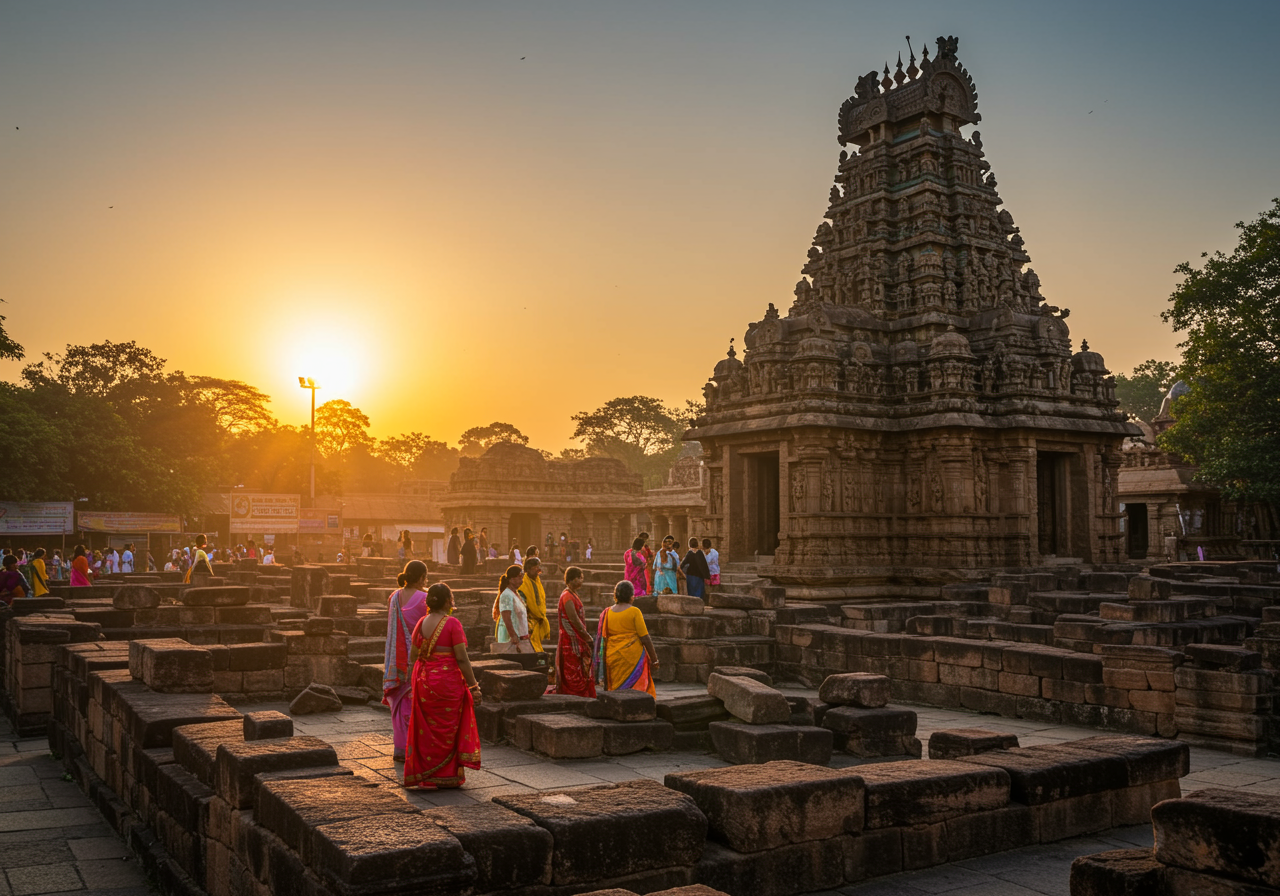
Historically, India has been a land steeped in spirituality, culture, and natural beauty — qualities that have attracted travelers for centuries. The legacy of its religious sites, architectural marvels like palaces converted into heritage hotels, and varied landscape ranging from the Himalayas to coastal beaches offers a unique travel experience. Over recent decades, the tourism industry emerged slowly, shifting from being primarily a draw for upper-class travelers to a broad spectrum of visitors, including backpackers following established routes.
The infrastructure supporting tourism has significantly expanded, with investments in domestic airlines, railways including luxury trains, and road networks connecting cities and remote areas. Concepts like heritage hotels and eco-tourism in the Himalayan and Northeast regions have helped create niche markets. Simultaneously, the growth of domestic travel—propelled by a rising middle class eager to explore local destinations—has become a core pillar sustaining the hospitality sector.
| Era | Tourism Characteristic | Key Developments |
|---|---|---|
| Pre-1970s | Elite and cultural tourism | Boutique route exploration; heritage and spiritual tourism prominent |
| 1970s–2000s | Backpacker and mass market growth | Expansion of budget accommodation; increase in international visitors; rail and air connectivity improvements |
| 2000s to Present | Domestically driven growth; niche luxury and pilgrimage circuits | GST reforms, tax benefits, infrastructure upgrades, growing hotel industry in tier-2 and tier-3 cities |
The Influence of Domestic Movements on Tourism
Domestic tourism has seen robust growth due to policies favoring regional development and infrastructure under programs supporting pilgrimage and cultural circuits, such as Swadesh Darshan. Expansions in challenging but scenic areas like the Northeast and mountain regions are opening up new vistas for explorers. These regions, often less frequented by international tourists, possess vast potential for eco-tourism and adventure activities, making them increasingly attractive for exploration and specialized travel experiences.
Prospects for International and Domestic Tourism in India
Looking ahead, India is poised to enhance its position as a major tourism player with ambitions set as far as the year 2047, envisioning 100 million inbound visitors and a $52 billion hospitality industry. The prevailing strength of domestic travelers’ spending power will continue to support steady growth, even as efforts focus on improving the international tourism profile.
The government approaches these goals through enhancing infrastructure, streamlining tax policies, and revitalizing promotional campaigns. Addressing hygiene standards and consumer perceptions around cleanliness remains critical to ensuring repeat international visits. Expansion into smaller cities and emerging destinations marks an important shift toward inclusivity and diversity in tourism offerings, creating opportunities in lesser-known but captivating locales.
Key Growth Destinations and Emerging Hotspots
- Spiritual and Heritage Circuits: Ayodhya, Varanasi, Prayagraj, Ujjain, Tirupati
- Hill Stations and Mountains: Corbett, Kumaon, Himachal Pradesh, Coorg
- Coastal and Beach Resorts: South Goa (premium focus), Kerala, emerging beach hubs along the western coast
- Northeast India: Meghalaya, Sikkim, Barapani – rich in natural scenery and raw landscapes
- Tier-2 and Tier-3 Cities: Saputara, Mount Abu, Prayagraj, and others slated for infrastructure development under new tourism initiatives
Tourism Growth Factors and Constraints
| Двигуни зростання | Ongoing Challenges |
|---|---|
| Infrastructure expansion (airports, roads) | High costs compared to regional competitors |
| Державна промоція туризму | Чистота та гігієна в громадських місцях |
| Збільшення внутрішніх подорожей і витрат | Пікові відвідування в сезон спричиняють дисбаланс заповнюваності |
| Виникнення нових напрямків та збереження спадщини | Обмежений міжнародний охоплення маркетингу |
З'єднання точок: що це означає для шанувальників яхтингу та вітрильного спорту
Хоча зараз Індія може здаватися трохи дорожчою як іноземний туристичний напрямок порівняно з країнами Південно-Східної Азії, багато прибережних регіонів та відпочинкових зон біля озер мають захопливий потенціал для занять віндсерфінгом та яхтингом. Такі напрямки, як Гоа, Керала та північно-східні озера, можуть стати майбутніми центрами для яхт, чартерів вітрильних яхт та видів дозвілля на водній гладіні, стимулюючи нову грань туризму.
Інвестиції в марини, покращену прибережну інфраструктуру та просування водних видів спорту можуть бути пов’язані з ширшим наративом про зростання туризму. Для шанувальників вітрильного спорту та компаній з чартерних яхт, цей розвиваючийся сценарій передбачає перспективні можливості для обслуговування як внутрішніх, так і міжнародних відвідувачів, які шукають сонця, спокійних вод та унікального досвіду вітрильного спорту.
Summary
Сектор туризму Індії проходить шлях трансформації, балансуючи між зростаючою силою внутрішніх туристів та зусиллями з відновлення привабливості для міжнародних відвідувачів. Хоча вищі витрати на подорожі та проблеми з інфраструктурою наразі стримують прибуття іноземців, цільові урядові ініціативи та збільшення інвестицій у гостинність сприяють позитивній тенденції. Розширення туризму за межі традиційних хабів до нових духовних, історичних та природних об’єктів пропонує свіжу хвилю місць для дослідження.
У міру того, як Індія продовжує розвивати свою інфраструктуру та просувати нові перспективні зони, включаючи прибережні та озерні регіони, які чудово підходять для вітрильного спорту та яхтингу, відкриваються потенційні можливості для оренди яхт, вітрильних подій та морського відпочинку. Для дослідників і мандрівників, які схиляються до морських пригод, ці зміни відкривають запрошуючий горизонт.
Для тих, хто зацікавлений у оренді вітрильних човнів або яхт, щоб відчути жваві береги та води Індії, GetBoat.com пропонує глобальний ринок для пошуку ідеальної чартерної пропозиції, що відповідає будь-якому смаку та бюджету, об'єднуючи вас із серцем нової індустрії човнів в Індії.