


 Українська
  English (UK)
  Русский
  العربية
  日本語
日本語  한국어
한국어  Magyar
  Türkçe
  Español
  Čeština
  Svenska
  Português
  Ελληνικά
  Suomi
Suomi  Nederlands
  Română
  Italiano
  Français
  Polski
  Deutsch
  简体中文
简体中文  Slovenčina
 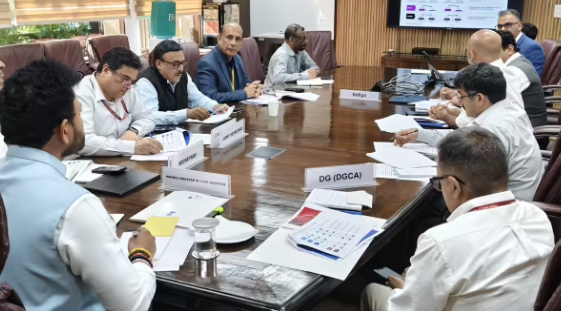 Aviation Ministry prioritizes smoother air travel for emerging city passengers">

US Visa Application Changes and Impact on Indian Applicants
The US State Department has introduced new regulations that require non-immigrant visa applicants, including those applying for B1/B2 business and tourist visas, to schedule interviews only in their home countries or countries of legal residence. This change eliminates the previous option for Indian travellers to secure quicker interview appointments abroad, a practice that became common during the COVID-19 pandemic.
For Indian applicants, this adjustment is significant as the demand for US visas is already high, leading to lengthy waiting times. Current reports indicate wait periods for B1/B2 visa interviews at US consulates in India can extend up to nine months, especially in cities like Chennai, with other major cities such as Mumbai and Delhi facing wait times of three and a half to four and a half months. This extended delay poses a problem particularly for travellers requiring urgent entry to the US.
Exceptions and Stricter Vetting Measures
There are limited exceptions to the new interview location rule. It doesn't apply to regions where routine non-immigrant visa operations are suspended or unavailable. Additionally, certain applicants may qualify for interview waivers, such as individuals renewing full-validity B1/B2 visas within 12 months of expiration while meeting age criteria. Nevertheless, the updated policy now expects nearly all applicants, including young children and seniors, to undergo in-person interviews, reversing earlier flexibilities.
Alongside this, the US government has implemented tighter security screening and revoked some visas, including those for certain student groups, to strengthen border safety. These measures underscore a focus on thorough applicant scrutiny to uphold national security and public safety.
Historical Context and Implications for International Travel
Visa regulations have long played a crucial role in shaping international tourism flows and economic exchanges. While some countries have eased visa policies to promote easier travel and boost tourism, others maintain strict controls linked to security and immigration concerns. The American visa regime, particularly for non-immigrant visas, often reflects a balancing act between openness and security.
Historically, Indian outbound travel has been on the rise, fuelled by economic growth, increased passport issuance, and expanding business and leisure travel needs. Visa facilitation developments worldwide have often encouraged outbound tourism from emerging markets like India. The tightening of US visa interview requirements introduces a new challenge in this dynamic, likely curtailing the ease with which Indian travellers access the US. This could influence travel patterns, possibly encouraging longer planning times or alternative destinations.
Visa Processing and Indian Outbound Travel Trends
| Consulate Location | Current B1/B2 Visa Waiting Time |
|---|---|
| Chennai | Up to 9 months |
| Kolkata | 5 months |
| Delhi | 4. 5 months |
| Mumbai | 3. 5 months |
| Hyderabad | 3. 5 months |
The Wider Effect on Tourism and Travel Markets
India's outbound travel market is growing rapidly, driven by an expanding middle class, increased disposable incomes, and the rise of leisure and business trips across international waters. Despite a steady increase in the number of passports issued—over 35 million as of recent years—visa restrictions remain a key factor influencing travel decisions.
Regions commonly visited by Indian tourists include Southeast Asia, the Gulf, and Western countries, with varying visa regimes facilitating or complicating access. More relaxed visa protocols in Southeast Asia, for example, encourage repeat and group travel. In contrast, the US remains a high-demand but challenging destination under the new rules.
This tightening of US visa rules amidst a global backdrop of simplified visa access in many countries could redirect certain travel flows and might necessitate more meticulous itinerary planning and budgeting from Indian travellers.
Visa Facilitation vs. Security Considerations
- Visa facilitation has enabled remarkable growth in international tourism by simplifying border-crossing formalities.
- Tighter security and vetting processes, however, are introduced in response to national safety concerns, impacting visa waiting times and availability.
- Emerging markets like India face stricter visa requirements compared to mature markets, a factor that shapes outbound tourism trends.
Conclusion: Navigating Changes in Visa Policies
The recent US visa policy changes represent a significant shift, particularly for Indian travellers who already face long wait times due to high demand. The requirement to attend interviews only in one’s home country amplifies these delays and disrupts the established practice of scheduling overseas interviews for faster service during prior periods.
As visa procedures become more stringent and waiting periods longer, Indian travellers planning business, tourist, or study trips to the US will need to anticipate these hurdles and allocate additional time for visa processing. This underscores the ongoing tension between security imperatives and tourism facilitation—a balance that continues to evolve globally.
Given the evolution in visa policies and the dynamic nature of international travel, services specialising in boat and yacht rentals can also experience shifts in demand as travellers adjust their international itineraries. Indian travellers’ growing interest in diverse destinations and activities—including water-based leisure pursuits—may translate into greater engagement with sailing and marine charters, especially in locales with easier entry requirements.
For those seeking to explore a variety of yachting destinations, GetBoat.com offers an extensive international marketplace for renting sailing boats and yachts. Whether aiming for tranquil lake cruises, lively coastal beaches, or luxury superyacht experiences, GetBoat provides options tailored to every taste and budget, perfectly suited for adventurous travellers adapting to the changing landscape of global tourism.
Summary of Key Points| New US visa rules | Restrict interviews to home country, increasing waiting times for Indian applicants |
| Current waiting times | Ranges from 3.5 months to 9 months depending on Indian consulate location |
| Exceptions | Limited waiver eligibility and exemption for regions without routine visa operations |
| Stricter vetting | Implemented to enhance national security and safety |
| Impact on outbound travel | Lengthier visa processing times could impact Indian travellers’ planning and destination choices. |
| Tourism context | Visa facilitation remains a key growth factor globally, yet security concerns shape policy changes |
| Marine travel opportunities | Indian travellers’ increasing interest in varied experiences could boost sailing and yacht rentals in accessible regions |