


 Українська
  English (UK)
  Русский
  العربية
  日本語
日本語  한국어
한국어  Magyar
  Türkçe
  Español
  Čeština
  Svenska
  Português
  Ελληνικά
  Suomi
Suomi  Nederlands
  Română
  Italiano
  Français
  Polski
  Deutsch
  简体中文
简体中文  Slovenčina
  Унікальні дані про здоров’я Бредфорда формують міську інновацію та добробут">

An Illuminating Fusion of Science and Community Through Art
In the heart of Bradford, a powerful scientific health study has blossomed into an extraordinary art installation that captures the vitality of community health and urban life. This vivid, immersive sculpture, found at the National Science and Media Museum, offers a glowing, dynamic reflection of thousands of Bradford residents through a constellation of light—revealing the deep connections between data, place and people.
The inspiration behind this artwork stems from the Born in Bradford (BiB) project, one of the UK’s most comprehensive long-term health studies. Since 2007, BiB has compassionately followed over twelve and a half thousand families, monitoring health and lifestyle factors from pregnancy through childhood. This real-life tapestry of community data fuels an ongoing dialogue about urban health and environment.
From Data Collection to Dynamic Exhibition
Unlike many studies that rely on digital outreach, BiB engages with families personally through midwives, schools, and health visitors, embedding clinics right into daily shopping centres. The initiative’s communication adapts inclusively to the city’s diverse communities, with newsletters translated into Urdu, Punjabi, and Polish. This approach ensures accessibility and sustains a meaningful relationship with participants.
У "The Living Dots: Nature, People and Place exhibition transforms this wealth of data into a tactile experience. Each glowing dot in the mesh represents a participant’s contribution, while visitor shadows become part of the installation—symbolising the fluid and evolving nature of the city’s health story. This innovative approach turns abstract statistics into a living narrative, inviting reflection on the collective wellbeing of Bradford’s residents.
Understanding How Environment Shapes Well-being
Research emerging from the BiB database has uncovered compelling insights. For example, scientific evidence highlights the profound effects of pollution on maternal health and childhood development, ranging from birth weight and brain growth to DNA influences. A spotlight falls on the environment as a whole—how the very structures and spaces we inhabit deeply impact our physical and mental health.
Interestingly, the data reveals behavioural trends: one in three Bradford children doesn’t play outdoors after school, while one in five remains indoors over the weekend. Variations cross ethnic lines, with British-heritage children more likely to enjoy outdoor activities during school days and South Asian-heritage children spending more time outdoors on weekends. A concerning finding is the prevalence of low Vitamin D levels among some youth, a result of limited sun exposure.
| Behaviour Pattern | Group A (British Heritage) | Group B (South Asian Heritage) |
|---|---|---|
| Play outside after school | More likely | Less likely |
| Spend time outdoors at the weekends | Less likely | More likely |
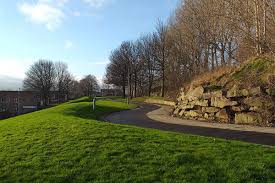
Such findings underscore the city’s focus on enhancing parks and green spaces. Transformations in urban planning, inspired by the study, reflect a city reclaiming natural beauty—where busy motorways once ran, now flourish tranquil gardens and recreational spots, supporting community health and connection.
Unequal Tracks: How Social Factors Influence Health
Bradford’s health research doesn’t shy away from exposing social disparities. The study echoes findings from renowned health experts by demonstrating stark contrasts in life expectancy within just a 10-mile span in the city. This gap highlights how socioeconomic inequality tangibly translates into differential health outcomes.
Beyond identifying problems, the BiB project plays an active role in community betterment. It has contributed to fighting childhood obesity in schools, informed policies on clean air, influenced clinical care pathways for expectant mothers, and supported urban planning initiatives like speed limits and street redesigns to promote safety and wellbeing.
- Improved clinical guidelines for pregnancy care
- Clean air regulations backed by scientific data
- School health and nutrition programmes addressing obesity
- Urban planning to create safer, child-friendly streets
As the original participants mature into young adults, the study pivots towards issues like mental health, education and economic independence—examining how these young people navigate their futures. What adds a remarkable dimension to BiB is its intergenerational scope: the health of children is linked back to the health of their grandparents, revealing echoes across family histories.
Bradford's Role as a Model for Urban Health Innovation
Supported by leading national research councils and health institutions, the insights from Bradford extend far beyond local borders. The challenges of preserving green spaces, ensuring child-friendly streets, and facilitating access to nature amid economic strain resonate with many cities across the country and possibly internationally.
With nearly a quarter of its population under the age of sixteen, Bradford stands as a unique urban “collaboratory,” blending community input and health research into innovative solutions. This dynamic is expected to continue influencing urban policy and social health discussions for years to come.
Looking Ahead: What This Means for Future Destinations
Bradford's example reveals the potent role of combining science, art, and community engagement in shaping healthier, more inclusive cities. For destinations embracing tourism and outdoor activities, these findings highlight the importance of designing environments that nurture wellbeing, promote access to natural spaces, and address social inequalities.
As urban areas worldwide grapple with balancing development and sustainability, Bradford’s collaborative approach stands out as a beacon of inclusive, evidence-based planning. This integration hints at exciting future possibilities for destinations blending cultural vibrancy, healthy living, and innovative public engagement.
Summary and Connection to Boating Destinations
In essence, Bradford demonstrates how deep scientific research into community health—enhanced through creative visualisation and public participation—can shape urban environments towards healthier futures. The integration of data, space, and social policy offers practical lessons in fostering environments where residents thrive.
For coastal and lakeside destinations popular for sailing, yacht charter, and boating, such insights reinforce the value of maintaining pristine natural settings and accessible green spaces, which are essential for both residents’ health and tourists’ enjoyment. Thoughtful urban planning that prioritises clean air, safe open spaces, and inclusive community engagement can elevate the experience of the sea, beach, and marinas alike.
Exploring destinations through the lens of wellbeing and environmental care promises a richer, more sustainable future for water-based leisure and tourism. GetBoat.com is an international marketplace for renting sailing boats and yachts, offering options tailored to every taste and budget—ideal for discovering how vibrant waterfront communities can inspire exceptional boating adventures.