


 Українська
  English (UK)
  Русский
  العربية
  日本語
日本語  한국어
한국어  Magyar
  Türkçe
  Español
  Čeština
  Svenska
  Português
  Ελληνικά
  Suomi
Suomi  Nederlands
  Română
  Italiano
  Français
  Polski
  Deutsch
  简体中文
简体中文  Slovenčina
 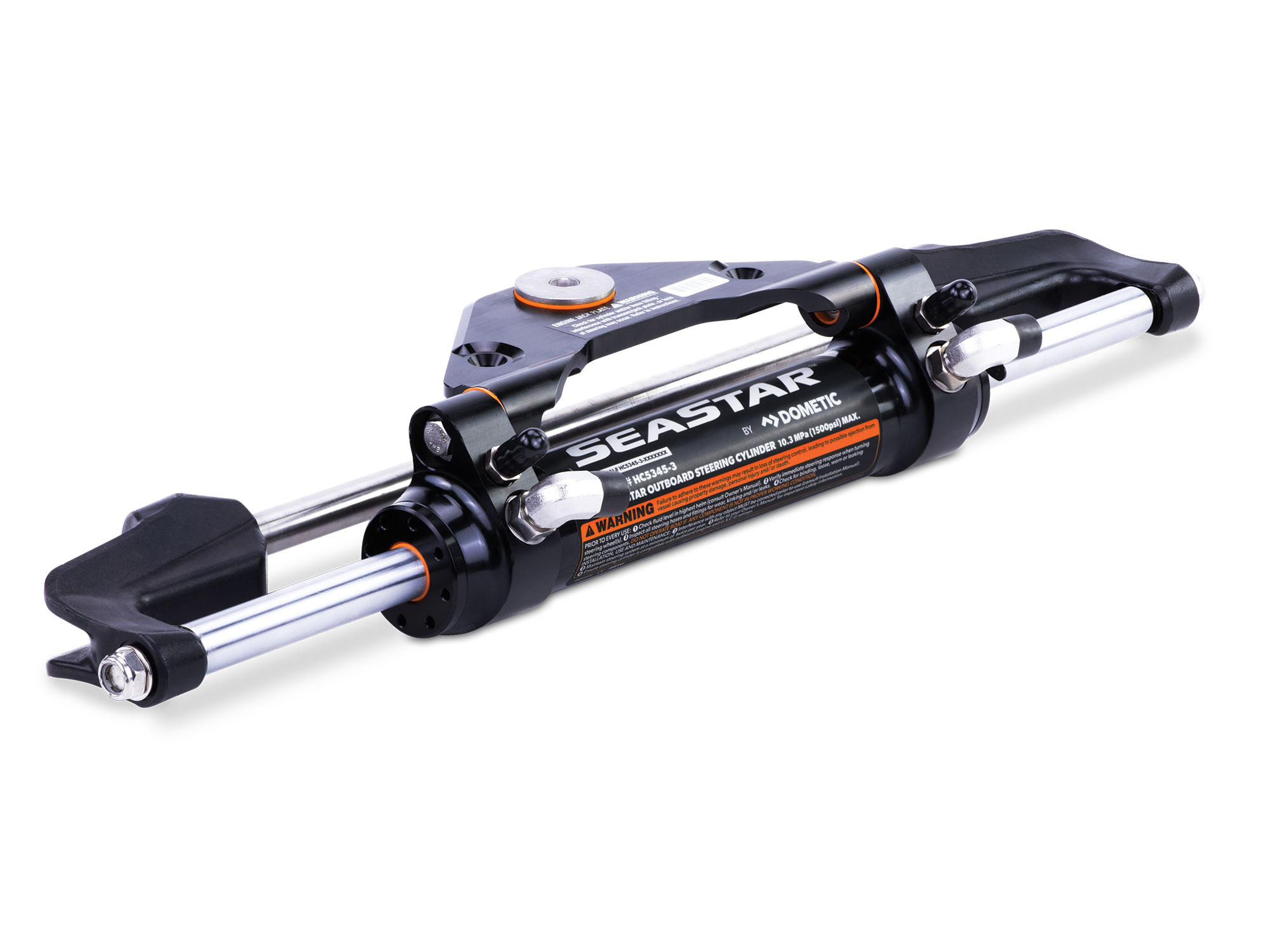 SeaStar & Dometic Tips for Hydraulic Steering Care">

Charter fleets, marina operators and rental marinas typically schedule hydraulic-steering inspections every 90 days to avoid downtime and safety incidents during peak charter season.
Routine checks that keep steering crisp
Like any critical marine system, hydraulic steering benefits from predictable logistics: scheduled inspections, parts inventory, and a simple checklist for dockside crews. Operators who track helm orientation, fill-port access and torque specs reduce the chance of a mid-trip failure that could strand a captain and guests.
Daily and pre-departure quick checks
- Visual hose check: look for cracks, chafing or kinks.
- Leak sniff: after a few hard-over turns, run a rag over fittings to spot fresh fluid.
- Tilt-tube feel: ensure the support rod and grease at the tilt tube are not binding.
Fluid level: orientation matters
Clean the helm top before opening the fill port to prevent contamination. For sidemount and splashwell-mount cylinders ensure they are completely retracted before checking. If the helm shaft is vertical or nearly so, the fluid should sit within 1/2 inch of the fill-hole; if the shaft is horizontal, aim for 1/4 inch from the threads. Even when using a remote fill port, always note the helm unit orientation to determine correct fill level.
How to add hydraulic steering fluid
Use the manufacturer-recommended bottle and a hydraulic-steering fill hose that threads into the fill port. Screw the hose in, invert the bottle and make a tiny vent hole just above the bottle bottom with a push pin. Turn the wheel back and forth to bleed air; bubbles in the bottle show air escaping. When done, remove the hose, replace the fill-port screw, and store the bottle with the pin blocking the vent.
Leak detection and pressure testing
Turn the wheel hard over to one side and push slightly past the cylinder’s max stroke to pressurize the system. Begin inspection at the steering-shaft seal, continue to the rear of the helm unit, and then trace the lines aft to the transom cylinder. Repeat on the opposite hard-over. Replace any leaking seals or fittings with OEM parts only—cheap fittings are a false economy when safety’s on the line.
Inspect hoses and fittings
- Check all hose clamps and fittings for corrosion and tightness.
- Replace hoses showing surface cracking or internal collapse.
- Torque fasteners per the system manual; over-tightening can do as much harm as a loose bolt.
Service the tilt tube and support rod
Remove the support rod according to the steering-system manual. Clean old grease and debris from the tube—tools like a shotgun bore brush or a stiff bottle brush work well. Before reinserting the rod, coat it with marine-grade white lithium grease—apply generously but not to the point of attracting grit. The tilt tube must slide smoothly; a binding tilt can transmit odd loads to the helm and hoses.
Tools and parts checklist
| Item | Purpose | Frequency |
|---|---|---|
| Hydraulic steering fluid & fill hose | Top off and bleed air | As needed / pre-season |
| Clean rags & push pin | Clean fill area; vent bottle | Each refill |
| Shotgun bore brush / bottle brush | Clean tilt tube | Annual |
| White lithium grease | Lubricate support rod | After cleaning |
| OEM seals and fittings | Replace leaks | As required |
Five-year purge and why it matters
Completely purging and refilling a hydraulic steering system every five years removes air and microscopic contaminants that degrade components. While DIY purge kits—such as the SeaStar Power Purge Jr. marketed by Dometic and available on amazon.com—are an option, many operators send boats to the boatyard due to time, cost and the need for a controlled shop environment. If you run a charter or rental operation, schedule the purge during the off-season to minimize lost availability.
When to call a pro
If steering starts to feel spongy after bleeding, if leaks recur, or if you encounter hard-to-isolate contamination, trust your instincts and call a certified technician. Better safe than sorry—steering failure on the water can escalate to a full rescue event.
Keeping a small inventory of OEM parts, a log of inspections, and a seasonal maintenance routine will pay dividends in fewer breakdowns and happier renters. An ounce of prevention beats a ton of trouble—especially when your crew is on a rented yacht or a weekend boat with guests aboard.
Summary: Regular checks of fluid level (mind the helm orientation), routine hose and fitting inspections, tilt-tube service with white lithium grease, and a full purge every five years are the pillars of reliable hydraulic steering. For charter managers, captains and boat owners who offer yacht or boat rent, these steps reduce downtime and boost guest safety across marinas and destinations—from lake and gulf charters to offshore ocean trips. Keep the checklist handy, stock OEM parts, and you’ll keep yachts, superyachts and Sunseeker-style vessels turning true in clearwater, whether it’s fishing off the beach or yachting to new destinations.