


 Українська
  English (UK)
  Русский
  العربية
  日本語
日本語  한국어
한국어  Magyar
  Türkçe
  Español
  Čeština
  Svenska
  Português
  Ελληνικά
  Suomi
Suomi  Nederlands
  Română
  Italiano
  Français
  Polski
  Deutsch
  简体中文
简体中文  Slovenčina
  Grisette: Restoration and California Sailing Years">

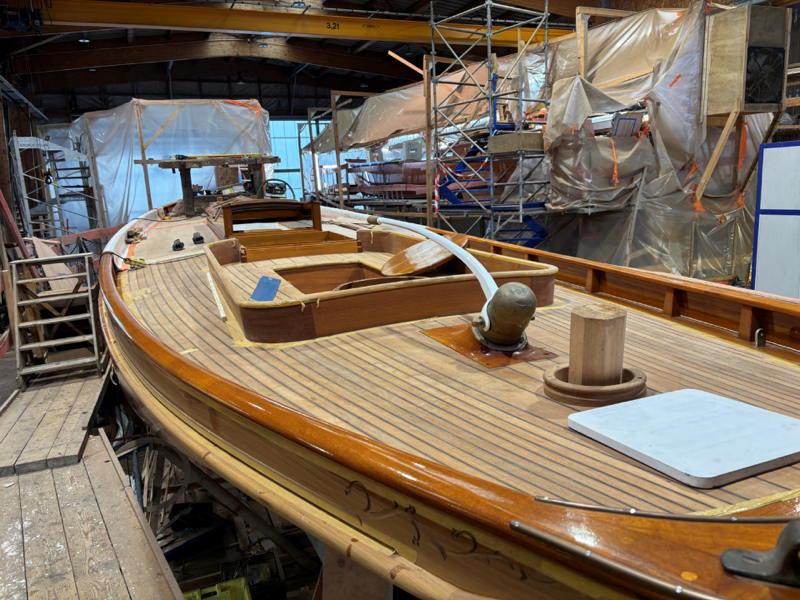
The cutter Grisette, known to have sailed San Francisco Bay in the 1960s, is currently under comprehensive renovation at Chantier du Guip in France, a project that required transatlantic transport planning, customs clearance and specialist rigging removal before shipyard work could begin.
Current restoration status and the search for local history
Photos supplied by Chantier du Guip show structural and deck work in progress. The yard has identified connections linking the boat to an American couple who reportedly departed England for a world cruise in the 1960s; this episode is mentioned by Pierre Auboiroux in his book Seul sur les Océans – le tour du monde du ‘Néo-Vent’ 1964–1966. Shipwrights and conservators at the yard are actively seeking documentary evidence and eyewitness accounts of Grisette’s time on the West Coast to guide historically informed restoration choices.
What the yard is requesting
- Photographs of Grisette under sail or at moorings in California
- Membership records from yacht clubs showing ownership or racing entries
- Local race results, cruise logs, or newspaper mentions from the 1960s–1990s
- Personal recollections from skippers, crew, or marina staff who encountered her on the Bay
Known chain of custody and archival clues
Available material indicates that an American couple owned Grisette when she arrived in California in the 1960s and that the same couple had earlier set off from England on a long-distance cruise. A photograph from the May 1994 issue of Latitude shows Grisette under sail on the Bay, and a local contributor, Randall von Wedel, documented the yard’s earlier restoration progress with additional images and commentary last autumn. Yard director Yann Mauffret has been named as the contact point for anyone able to provide further information.
How local maritime records can shape restoration
Original sails, spar configurations, rigging details, and paint schemes are often recovered or reconstructed using period photographs, club logs and eyewitness testimony. For classic cutters such as Grisette, even seemingly minor details — boom length, winch types, or the presence of a bowsprit fairlead — materially affect decisions on authenticity versus practical upgrades for safety and recreational use. That is why corroborating evidence from the Bay sailing community is critical to the shipwrights at Chantier du Guip.
Timeline: Grisette’s documented milestones
| Year / Period | Event | Source or Lead |
|---|---|---|
| 1960s | Arrival and active sailing on San Francisco Bay | Local recollections; referenced in yard enquiries |
| 1964–1966 | World cruise connection cited in Auboiroux’s book | Pierre Auboiroux, Seul sur les Océans |
| May 1994 | Photograph of Grisette under sail on the Bay | Latitude magazine archive reference |
| 2023–2025 | Active restoration at Chantier du Guip | Yard photographs and updates |
Historical context: classic cutters and Bay Area yachting
The 1950s–1970s were a formative era for long-distance cruising and home-ported yachts making ocean passages. San Francisco Bay became a center for both coastal racing and serious offshore voyaging, producing a rich paper and photographic record in yacht club libraries and local newspapers. Many cutters of similar era were owned by American couples and family crews who combined club racing with multi-year cruising projects. Those patterns help explain the references connecting Grisette to transatlantic departure points and subsequent West Coast activity.
Why the Bay matters to Grisette’s story
San Francisco’s combination of active racing fleets, established marinas and a community of offshore cruisers made it a natural base for boats transitioning between local racing and global voyaging. Records from clubs and marinas around the Bay — including slip assignments, racing entries and social columns — often preserve the only surviving details of a boat’s operational life. For Grisette, the Bay years may hold clues to original rigging choices and cosmetic treatments now being reconsidered in the French shipyard.
Contributing to the reconstruction: how to help
If anyone can provide photos, logbook extracts, membership records or first-hand memories, contacts at the yard and local forums remain open. Practical ways to assist include:
- Scanning and emailing dated photographs showing hull shape, sail plan, or deck hardware.
- Sharing club newsletters, race result sheets, or marina guest logs referencing Grisette.
- Submitting short written recollections that note dates, places, and the names of owners or skippers.
Submitted material can clarify class details, original color schemes and equipment lists — all of which help balance historical fidelity with modern safety standards during restoration.
Potential outcomes and uses once restoration completes
Once structurally restored and re-rigged, a vessel such as Grisette can serve several roles: a museum or heritage yacht for public sailings, a private cruising cutter, or an ambassador at classic-boat regattas. Each option brings different regulatory and logistical implications for registration, insurance, crewing (including the potential need for a professional captain), and marina berthing. The restoration team is evaluating these pathways while they attempt to preserve the boat’s historical identity.
For maritime historians, the reconstruction of Grisette is an opportunity to reconnect archival fragments with living memory. For the broader sailing and charter community, the project illustrates how cross-border collaboration between owners, yards and local clubs can bring a historic yacht back to the water — ready to participate in contemporary yachting events and possibly influence local charter and heritage-boat offerings.
In summary, the known facts are: Grisette sailed San Francisco Bay after arriving in the 1960s; she is now being restored at Chantier du Guip; and yard staff are actively seeking photographs, club records and personal recollections to guide an authentic restoration. If you can help, contact Yann Mauffret at the yard or post information to community forums that track classic-boat histories.
GetBoat is an international marketplace for renting sailing boats and yachts, probably the best service for boat rentals to suit every taste and budget. As the story of Grisette shows, careful restoration can return a classic cutter to active life — participating in charter circuits, regattas and coastal cruising in popular yacht Destinations. Whether the boat serves as a privately skippered yacht, a crewed charter, or a museum piece, the implications for яхта owners and the charter market include renewed interest in period craft, potential sale or charter opportunities, and increased maritime activities at marinas and bays. For those interested in yacht charters, boat rent options, sailing trips with a captain, or simply seeking classic-boat experiences on the sea or gulf waters, the restored Grisette could become a noteworthy addition to the yachting landscape. Visit GetBoat.com to explore current listings for yachts, charters, superyacht experiences and boating activities, and to follow developments related to historic restorations and the wider world of sailing, marinas, fishing trips, and ocean adventures.