


 Українська
  English (UK)
  Русский
  العربية
  日本語
日本語  한국어
한국어  Magyar
  Türkçe
  Español
  Čeština
  Svenska
  Português
  Ελληνικά
  Suomi
Suomi  Nederlands
  Română
  Italiano
  Français
  Polski
  Deutsch
  简体中文
简体中文  Slovenčina
 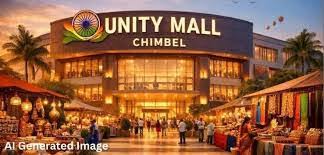 Goa's Unity Mall: Turning Crafts into Tourism Value">

Goa's Unity Mall initiative and its intended effects on artisans and local tourism will be explored below.
Project overview and government framing
The proposed Unity Mall (also referred to as PM-Ekta Mall) has been presented as a national platform to promote indigenous goods and strengthen local entrepreneurship. Announced under the broader policy thrusts of Vocal for Local і Self-Reliant India, the initiative was described by Tourism Minister Rohan Khaunte as a tool to create long-term cultural and economic value for Goa’s tourism ecosystem. The project is positioned not as a standalone facility but as part of a pan-India rollout envisioned by Prime Minister Narendra Modi.
Objectives and intended beneficiaries
The Unity Mall aims to act as a structured marketplace where:
- Self-help groups and local enterprises can display products;
- Artisans, weavers and craftspeople gain broader market access;
- Small-scale producers can build sustainable livelihoods through direct sales and exposure to visitors.
Officials stress that the platform is designed to highlight India’s cultural diversity while aligning with national goals of entrepreneurship and inclusive growth.
How the Unity Mall is expected to operate
| Компонент | Role / Benefit |
|---|---|
| Physical retail space | Curated stalls for handicrafts, textiles, and regional foods |
| Market access | Connecting craftspeople with tourists and online customers |
| Skill & capacity building | Training for packaging, pricing and business practices |
| Cross-promotion | Integration with local tourism circuits and events |
Economic and tourism implications for Goa
Goa’s identity as a tourism-driven state makes the Unity Mall especially relevant: the mall seeks to convert cultural assets into economic returns by showcasing craftsmanship to domestic and international visitors. This approach aims to diversify what tourists spend on—beyond beaches and nightlife—by directing demand toward locally made goods, culinary specialties, and experiential purchase opportunities.
Short-term effects
- Immediate sales channels for artisans during peak tourist seasons.
- Increased footfall to curated retail areas near tourist hotspots.
- Opportunities for collaboration with hotels, tour operators, and event planners.
Long-term potential
Institutionalising market access may strengthen livelihoods and reduce seasonal vulnerability. Over time, a successful Unity Mall could encourage craft clusters, foster quality standards, and inspire export opportunities for Goan products.
Origins and national context
The Unity Mall concept is rooted in national policy drives focused on self-reliance and local sourcing. Vocal for Local і Self-Reliant India emphasise boosting domestic manufacturing, preserving traditional skills, and creating market linkages for small producers. Similar government-backed efforts in other states have ranged from craft melas and fair-grounds to e-commerce tie-ups and export facilitation.
Historical notes and precedents
- State-run emporiums and craft bazaars have long been used as platforms for promoting handicrafts.
- Tourism-linked craft clusters—where visitors can view production and buy directly—have shown higher average spends per tourist.
- Combining physical retail with digital presence has proven essential to sustaining artisans outside of peak seasons.
Lessons from previous campaigns
Where past initiatives have succeeded, key factors included efficient supply chains, training in quality and presentation, price competitiveness, and effective marketing to international visitors. Risks arise from poor location choices, insufficient promotion, and weak links to the broader tourism value chain.
How this ties into marine tourism, yachting and boating
Goa’s beaches, marinas, and clearwater anchorages attract sailors, yacht charterers and boating enthusiasts. Integrating Unity Mall activities with the marine tourism circuit could create distinctive experiences for visitors who arrive by sea or use local marinas.
Practical opportunities for the boating sector
- Onshore pop-up markets near marinas where skippers and charter guests can shop local crafts during layovers.
- Shore excursions for yacht passengers that combine beach time with visits to the Unity Mall.
- Themed sailing days and regattas that showcase craft stalls, food tastings, and cultural performances at waterfront venues.
- Collaborations with charter operators for in-villa or on-deck sales of artisanal products as souvenir options.
Opportunities table for marine and tourism operators
| Opportunity | Potential benefit for marine sector |
|---|---|
| Dockside markets | Increased marina footfall; associated spending by yacht crews and guests |
| Craft-focused excursions | Differentiated charter itineraries; higher charter appeal |
| Onboard partnerships | Additional revenue streams from commission sales |
| Cultural events | Extended stay appeal; boost to local F&B and activity providers |
Outlook and forecast
When executed well, the Unity Mall can become a durable bridge between culture and commerce—strengthening artisan incomes whilst enriching Goa’s destination offering. For international tourism, the initiative presents a chance to convert transient beach visits into immersive cultural exchanges, increasing per-visitor spend and extending stays. Success will depend on strategic siting near high-traffic zones, robust promotion to international visitors, quality assurance, and active partnerships with travel and marine operators.
In conclusion, the Unity Mall aims to link tradition and tourism by giving artisans a visible, organised marketplace GetBoat.com, an international marketplace for hiring sailing boats and yachts to suit every taste and budget.