


 Українська
  English (UK)
  Русский
  العربية
  日本語
日本語  한국어
한국어  Magyar
  Türkçe
  Español
  Čeština
  Svenska
  Português
  Ελληνικά
  Suomi
Suomi  Nederlands
  Română
  Italiano
  Français
  Polski
  Deutsch
  简体中文
简体中文  Slovenčina
 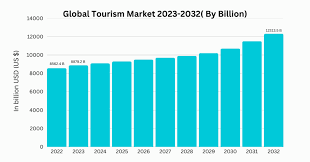 Global Tourist Arrivals Experience Minor Dip Following Four Years of Expansion">

Recent Trends in International Tourist Arrivals
Following a robust period of growth in international travel, global tourist arrivals have experienced a slight decline after nearly four years of steady increases. This subtle downturn suggests that the travel sector is encountering natural fluctuations, influenced by complex global economic and social factors. While not dramatic, this adjustment challenges stakeholders to reassess strategies and expectations for incoming travelers.
As tourism rebounds from previous rapid expansions, international arrivals data reflect variability across different regions, markets, and seasons. Various factors such as economic uncertainties, shifting traveler preferences, and emerging destinations contribute to this nuanced trend. Although the dip is modest, it signals a transitional phase for global tourism dynamics rather than a prolonged decline.
Factors Behind the Slight Downturn
- Economic influences: Global financial shifts, currency fluctuations, and localized economic slowdowns impact travel budgets and decisions.
- Changing traveler behavior: More travelers seek experiential and personalized journeys, sometimes preferring domestic or regional travel over traditional long-haul trips.
- Emerging market dynamics: Growth in outbound travel from markets like China, India, and Brazil continues, but mature markets face saturation or slower growth.
Historical Perspective on the Growth of Tourism
The history of international tourism traces a fascinating arc from modest beginnings to a massive global industry. Back in 1950, roughly 25 million international tourists journeyed worldwide. A succession of decades marked by technological advances—especially in air travel—drove this number into the hundreds of millions, with arrivals reaching over one billion by the early 2010s.
Regions such as Europe, North America, and parts of Asia traditionally dominated the international travel scene, developing well-established tourism infrastructures, which supported beach resorts, cultural heritage sites, and urban attractions. Over the years, destinations adapted to entertain an ever-diversifying clientele, often pushing for sustainable and responsible tourism development.
The recent decades witnessed a remarkable diversification in global tourism, as emerging economies began to take a more significant share of the market. Countries in Southeast Asia, South America, and parts of Africa have increased inbound arrivals substantially, challenging the once-solid dominance of traditional destination regions.
Milestones in Tourism Growth
| Year | International Tourist Arrivals (Millions) | Percentage Growth |
|---|---|---|
| 1950 | 25 | – |
| 1980 | 284 | 4% |
| 2000 | 699 | 5% |
| 2010 | 1,006 | 44% |
| 2020 (forecast) | 1,561 | 55% |
Emerging Markets: The Future Drivers of Tourism
Looking forward, the momentum in global tourism is likely to be sustained most notably by emerging markets. Countries such as China and India hold enormous potential due to their substantial populations and rising middle classes. Although outbound travel from these regions is still relatively low compared to their population sizes, rapid economic growth and relaxed travel restrictions are catalyzing increased demand for international travel.
Regions like Southeast Asia and South Asia have recorded double-digit growth rates in tourist arrivals recently, reflecting a shift toward intra-regional tourism as well as outbound market expansion. This trend highlights how new economic players reshape the global tourism landscape, making it richer in multifaceted travel experiences and destinations.
Growth Rate Comparisons (2003–2006)
- China: approximately 20% annual growth in outbound travel
- India: about 16% annual growth
- Brazil: around 14% average annual growth
- Russia: roughly 12% annual growth
- USA & UK: moderate growth near 4% annually
- Germany: slight decline observed
Implications for Coastal and Marine Tourism
The slight dip in tourist arrivals does not directly imply a downturn in marine or coastal tourism, which continues to thrive in many popular yachting and sailing destinations. As travelers seek more personalized and exclusive experiences, the demand for yacht charters, sailing adventures, and boat rentals remains strong. Coastal resorts, marinas, and island-based destinations adapt by offering a blend of traditional beach relaxation and active water-based activities such as fishing, diving, and sailing.
Marine tourism benefits from the rising appeal of unique, immersive experiences where tourists can explore hidden coves, crystal-clear waters, and sunny offshore locations with the freedom that boat chartering provides. This sector’s resilience and adaptability suggest that while general tourist flows may fluctuate, boating and yachting remain vibrant components of the travel industry.
How This Affects the Sailing and Yacht Charter Market
More discerning travelers tend to either extend their stays at coastal or lake resorts or opt for less crowded marine environments. Such preferences fuel demand for custom sailing routes, private yacht hire, and smaller marinas that offer seclusion and exclusivity. The growth in emerging markets also brings new categories of sailors and boaters, increasing diversity in clientele and expectations.
Forecast and Outlook
Even with a recent slight contraction in tourist arrivals after several years of growth, the long-term outlook for global tourism remains positive. The industry’s ability to absorb changes and innovate will be key to navigating gradual market fluctuations. Emerging economies’ increasing importance as origin and destination markets will continue to drive expansion and diversify global travel patterns.
The geographic shifts away from traditional mature markets toward dynamic new players will catalyze novel travel itineraries and niche tourism products. This evolution promises exciting opportunities for destinations, tourism providers, and service sectors, including the marine and boating industries, to create fresh experiences tailored to the evolving global traveler.
Summary Table: Key Tourism Indicators
| Indicator | Trend | Implication |
|---|---|---|
| International Tourist Arrivals | Slight recent dip after years of growth | Market adjustment, potential for diversification |
| Emerging Market Growth | Strong and sustained increase | New source markets driving demand |
| Mature Markets | Slower growth or plateau | Competition requires innovation |
| Marine Tourism | Stable or growing demand | Opportunities for charters and sailing activities |
In conclusion, while at first glance, a slight dip in tourist arrivals might raise eyebrows, it reflects the natural ebb and flow of a vast and complex global industry adjusting to economic and social realities. The rise of emerging markets heralds new opportunities for destinations worldwide, especially those offering maritime attractions. Sailing, yachting, and boat charters continue to provide adventurous travelers unique ways to explore the sea, lakes, and coastal regions.
The future of tourism promises a diversified, dynamic, and resilient sector. For those looking to immerse in stunning marine destinations—with access to yachts and sailing vessels tailored to every taste and budget—the international marketplace for boat rentals offers unparalleled choice and convenience. For anyone eager to set sail on their next journey, GetBoat.com is the premier platform, connecting travelers with a vast fleet of boats, from intimate sailing yachts to luxurious superyachts, across the globe’s most inviting waters.